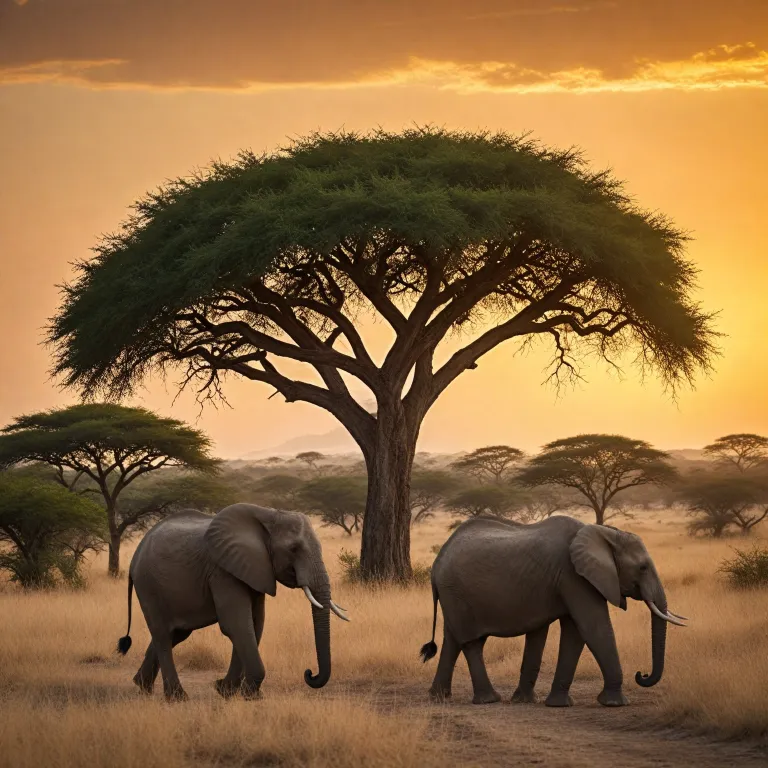
Understanding ethical wildlife tourism safaris: principles and practices
Ethical wildlife tourism safaris are transforming the way people experience Africa’s wild landscapes and animals. These safaris prioritize animal welfare, conservation, and the empowerment of local communities, ensuring that tourism supports rather than harms the environment. Operators such as Natural Selections and Asilia Africa have set new standards by implementing eco-friendly practices and engaging local people in their operations. The focus is on minimizing the impact of tourism on wildlife and their habitats, while offering authentic safari experiences that respect the natural rhythms of wild animals.
Travelers seeking ethical wildlife tourism safaris are encouraged to research operators with strong sustainability policies and transparent conservation initiatives. For example, Shamwari Game Reserve in South Africa has restored degraded land into a thriving wildlife conservation area, demonstrating the positive impact of responsible travel. The best time for wildlife experiences in Africa varies by region, but ethical safari operators provide guidance to ensure minimal disturbance to animals during peak periods. By choosing ethical safaris, travelers contribute to the protection of game reserves and national parks, supporting the long-term survival of African wildlife.
Wildlife tourism is not just about seeing animals; it’s about understanding the interconnectedness of ecosystems, people, and conservation. Ethical wildlife tourism safaris offer small group experiences led by expert guides, allowing for immersive learning and meaningful encounters with wild animals. These experiences foster a deeper appreciation for conservation and responsible travel, setting a new benchmark for wildlife travel in Africa.
Conservation at the heart of African safaris: supporting wildlife and habitats
Conservation is central to ethical wildlife tourism safaris, with many operators partnering with organizations like African Parks to manage and protect national parks and game reserves. These collaborations have led to significant increases in wildlife populations, such as the 1,500% rise in animals at Majete Wildlife Reserve. Conservation efforts extend beyond animal protection, encompassing habitat restoration and anti-poaching initiatives that safeguard Africa’s biodiversity.
Wildlife conservation is supported by tourism revenue, which funds the management of reserves and the protection of endangered species like the cheetah and lion. Ethical safari operators invest in educational programs for both tourists and local communities, raising awareness about the importance of animal welfare and responsible tourism. The use of non-intrusive vehicles and equipment ensures that wildlife experiences do not disrupt the natural behaviors of animals in the wild.
Travelers can further support conservation by choosing experiences that prioritize ethical wildlife interactions, such as guided walking safaris and cycling tours. These activities, pioneered by companies like Natural Selections, reduce the carbon footprint of safaris and provide unique perspectives on African wildlife. For more insights on responsible travel, visit our guide to sustainable safari planning.
Empowering local communities through ethical wildlife tourism
Ethical wildlife tourism safaris are designed to benefit local communities as much as the animals and habitats they protect. By involving local people in tourism operations, these safaris create employment opportunities and support community development projects. Organizations like Reteti Elephant Sanctuary, entirely run by Indigenous people, exemplify how community-led conservation can achieve remarkable results for both wildlife and people.
Tourism revenue contributes directly to local economies, funding schools, healthcare, and infrastructure in regions surrounding game reserves and national parks. Ethical safari operators prioritize partnerships with local landowners and businesses, ensuring that the benefits of wildlife tourism are shared equitably. This approach fosters a sense of stewardship among local communities, who become active participants in conservation and animal welfare initiatives.
Travelers are encouraged to respect local customs and traditions, enhancing the cultural exchange that is central to responsible travel. By choosing ethical wildlife tourism safaris, visitors support the empowerment of African communities and contribute to the long-term sustainability of wildlife travel. For more information on how to engage with local communities during your safari, explore our community engagement resources.
Innovative safari experiences: cycling, walking, and immersive wildlife travel
The evolution of ethical wildlife tourism safaris has brought about innovative experiences that go beyond traditional game drives. Cycling safaris, introduced by Natural Selections in Botswana’s Okavango Delta, offer a low-impact way to explore the wild while observing animals in their natural habitats. These safaris are led by experienced guides who prioritize safety and animal welfare, ensuring that encounters with wildlife are respectful and educational.
Walking safaris and lion walking experiences provide travelers with a deeper connection to Africa’s landscapes and wildlife. These small group adventures allow for quiet observation of wild animals, fostering a sense of awe and respect for the natural world. Ethical safari operators carefully design these experiences to minimize disturbance to animals and maximize the educational value for participants.
Wildlife tourism is increasingly focused on authentic, immersive experiences that highlight the importance of conservation and responsible travel. By participating in innovative safaris, travelers gain a greater understanding of the challenges facing African wildlife and the role they can play in supporting ethical tourism.
Choosing the right ethical safari: tips for responsible travelers
Selecting an ethical wildlife tourism safari requires careful consideration of the operator’s conservation credentials and commitment to animal welfare. Travelers should look for transparent sustainability policies, support for local communities, and a track record of responsible wildlife experiences. Reading reviews and consulting travel guides can help identify reputable operators who prioritize ethical safari practices.
It is essential to avoid activities that involve direct contact with wild animals, as these can compromise animal welfare and undermine conservation efforts. Instead, opt for safaris that offer guided tours in game reserves and national parks, where animals are observed from a respectful distance. The best time for wildlife travel depends on the region and the specific animals you wish to see, so consult with experienced guides for personalized recommendations.
Responsible travel also means being mindful of your environmental impact, from minimizing waste to choosing eco-friendly accommodations. By following guidelines provided by ethical safari operators, travelers can ensure that their holidays contribute positively to wildlife conservation and the well-being of local communities. For more advice on planning your ethical safari, read reviews and consult our wildlife travel resources.
The future of ethical wildlife tourism safaris: trends and lasting impact
The demand for ethical wildlife tourism safaris continues to grow, driven by travelers seeking meaningful experiences that support conservation and community development. The rise of community-owned conservancies and the emphasis on cultural immersion are shaping the future of wildlife tourism in Africa. Operators are increasingly adopting innovative practices, such as cycling and walking safaris, to reduce their environmental footprint and enhance the quality of wildlife experiences.
Ethical safari operators are at the forefront of responsible travel, setting new benchmarks for animal welfare and sustainable tourism. The collaboration between conservation organizations, local communities, and government agencies is essential for the long-term success of wildlife travel in Africa. As more people recognize the value of ethical wildlife tourism safaris, the positive impact on animals, habitats, and communities will continue to grow.
As stated in the expert dataset: "An ethical wildlife safari prioritizes the well-being of wildlife and local communities, minimizes environmental impact, and supports conservation efforts." This guiding principle ensures that every safari experience contributes to the protection of Africa’s wild heritage for generations to come.
Key statistics on ethical wildlife tourism safaris
- 10% of Kenya’s GDP comes from tourism revenue, highlighting the economic importance of wildlife tourism.
- Since 2016, 500 elephants have been relocated to Liwonde National Park, demonstrating successful conservation efforts.
- Majete Wildlife Reserve has seen a 1,500% increase in wildlife population since 2003, reflecting the impact of ethical tourism and conservation.
Frequently asked questions about ethical wildlife tourism safaris
What defines an ethical wildlife safari?
An ethical wildlife safari prioritizes the well-being of wildlife and local communities, minimizes environmental impact, and supports conservation efforts.
How can I ensure my safari is ethical?
Choose operators with clear sustainability policies, support community-based tourism initiatives, and avoid activities that exploit wildlife.
Are cycling safaris safe?
Yes, when conducted by reputable operators with experienced guides, cycling safaris are designed to be safe and provide unique wildlife viewing experiences.