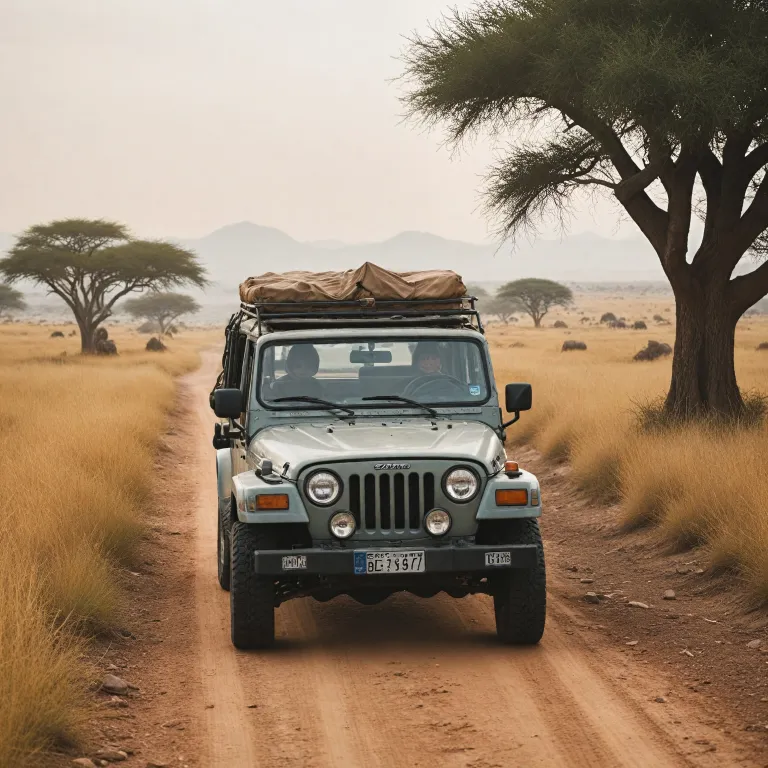
Understanding the Serengeti plains on a map of northern Tanzania
To appreciate the Serengeti plains on map, you first need to understand their immense scale. Stretching across northern Tanzania into southwestern Kenya, the Serengeti forms one of Africa’s most iconic ecosystems and anchors a network of national parks and protected areas. When you look at any detailed map of Africa, you will see this vast area sitting west of Mount Kilimanjaro and south of the Kenya border, framed by the Ngorongoro Conservation Area and the Mara region.
The Serengeti National Park covers about 14 750 square kilometres, and most maps of Tanzania highlight it as a core national park within a wider conservation area. On a good map Tanzania or a high resolution Tanzania map, the Serengeti appears as a broad, pale green or yellow band of grassland, with darker patches marking river lines and woodland. This national park is part of a larger Serengeti conservation area that includes the Ngorongoro Conservation Area and several game reserves, all managed in partnership with the Tanzania National Parks Authority and other conservation bodies.
When travellers study a map Africa before a safari, they often underestimate distances across these plains. The central Serengeti alone can take several hours to cross by vehicle, even though it looks compact on a small map Serengeti inset. Understanding scale on any Serengeti map or migration map is essential for planning realistic game drives and transfers between camps. It also helps you visualise how the Serengeti migration moves between different national parks and how the Mara ecosystem in Kenya connects to the Serengeti National Park in northern Tanzania.
How maps reveal the routes of the great migration
The great migration is the defining drama of the Serengeti, and maps are your best tool for understanding its rhythm. Each year, around 1 500 000 wildebeest and hundreds of thousands of zebra and gazelles move in a vast loop across the Serengeti plains, following rains and fresh grazing. On a detailed migration map or Serengeti map, this movement appears as an oval route that links the southern short grass plains, the central Serengeti, the western corridor, and the Mara river region on the Kenya border.
When you examine the Serengeti plains on map resources produced by reputable safari operators, you will see how the wildebeest migration shifts month by month. In many seasons, herds calve in the southern Serengeti and the adjacent Ngorongoro Conservation Area, then drift through the central Serengeti as grazing is exhausted. Later, they push into the western corridor, where the Grumeti river crossings provide intense wildlife viewing, before surging north toward the Mara river and the Kenya side of the ecosystem.
These national parks and conservation areas form a single ecological unit, even though political borders divide Tanzania and Kenya. When comparing park Tanzania maps with Kenya national parks maps, you can trace how the Serengeti migration becomes the Mara migration in local terminology. For photographers planning the best safari tours for capturing Africa’s wildlife through the lens, understanding this seasonal movement on a map Tanzania or map Africa is crucial. It allows you to choose camps and parks that align with likely wildebeest migration routes, rather than relying only on generic reviews or outdated assumptions.
Reading regional zones on a Serengeti map for smarter safari planning
Most travellers hear about the Serengeti plains but do not realise how distinct each region is until they study a detailed map. The central Serengeti, often called Seronera, appears on many map Serengeti insets as a hub of roads, airstrips, and camps, and it offers reliable wildlife viewing throughout the year. To the west, the western corridor stretches along the Grumeti river, and on a good map Tanzania you will see this narrow arm of the park reaching toward Lake Victoria, forming a key migration corridor.
To the north, near the border with Kenya, the Mara river cuts through rolling hills and valleys, and this area is highlighted on many Serengeti map resources as prime territory for river crossings. The Mara region links directly with Kenya’s Maasai Mara National Reserve, and together these national parks protect one continuous wildlife landscape. South and southeast of the main Serengeti National Park, the Ngorongoro Conservation Area and the Ngorongoro Crater provide additional habitats, and they are clearly marked on any comprehensive Tanzania national or map Africa atlas.
When you plan a safari, use these regional labels on the Serengeti plains on map tools to match your interests with specific areas. Photographers may favour the central Serengeti for big cat sightings, then move to the western corridor or Mara river for dramatic wildebeest migration scenes. For more guidance on framing these moments, many travellers consult essential wildlife photography safari tips for capturing unforgettable moments, which often reference specific parks and camps. By aligning your route with the geography of national parks and conservation area boundaries, you maximise time with wildlife and minimise long, tiring transfers between camps.
Linking the Serengeti plains to wider East African safari routes
When you zoom out from the Serengeti plains on map views to a regional scale, you see how this landscape anchors a broader East African safari circuit. On any detailed map Africa, the Serengeti and adjacent national parks form the heart of northern Tanzania, with routes radiating toward the Ngorongoro Crater, Lake Manyara, and Tarangire. These parks, together with the Serengeti National Park and the Ngorongoro Conservation Area, are often grouped as the northern Tanzania safari circuit.
From the Serengeti, many travellers continue north into Kenya, following the path of the great migration as it crosses the Mara river. On a combined Tanzania map and Kenya map, you can trace how the Mara ecosystem spans both countries, linking the Serengeti migration with the Mara’s own wildlife spectacles. This cross border movement underlines why conservationists treat these national parks and conservation areas as one interconnected area, regardless of political lines on a map Tanzania or map Africa.
Some itineraries also connect the Serengeti with other African icons, such as Victoria Falls, and a practical Victoria Falls map for safari travelers and river explorers can help you visualise these longer journeys. By comparing different national parks on regional maps, you can design a route that balances intense wildlife viewing with time for rest in well located camps. Reviews from experienced safari guests often highlight how understanding distances and park layouts on a Serengeti map or migration map prevented rushed transfers. This cartographic awareness supports more sustainable travel, reducing unnecessary flights and vehicle hours across fragile African landscapes.
Using maps to choose camps, guides, and wildlife viewing areas
Maps are not only for understanding geography ; they are also practical tools for choosing where to stay and which guides to hire. When you examine the Serengeti plains on map resources that show lodges and camps, you will notice clusters around the central Serengeti, the western corridor, and the northern Mara river region. Each cluster reflects access to key wildlife areas, and the best camps position guests close to likely wildebeest migration routes, predator territories, or river crossings.
Before booking, compare independent reviews with the locations shown on a detailed Serengeti map or map Tanzania, rather than relying solely on marketing descriptions. A camp may advertise proximity to the great migration, but a careful look at a migration map can reveal whether it actually sits along the main wildebeest migration path or on a quieter fringe. In national parks like the Serengeti National Park and neighbouring parks in northern Tanzania, even a few kilometres can mean the difference between long daily drives and short, focused game viewing.
Maps also help you understand how community lands and conservation area boundaries interact with core national park zones. Around the Ngorongoro Conservation Area and the Ngorongoro Crater, for example, Maasai communities live alongside wildlife, and responsible operators work closely with them. When selecting guides and camps, look for those that respect park Tanzania regulations and support conservation initiatives led by the Tanzania National Parks Authority and local partners. This approach ensures that your safari contributes to protecting African wildlife and landscapes, rather than placing additional pressure on already stressed parks and river ecosystems.
Conservation, culture, and technology behind Serengeti mapping
The accuracy of the Serengeti plains on map resources reflects decades of conservation work, scientific research, and community engagement. The Tanzania National Parks Authority oversees the Serengeti National Park, using wildlife monitoring systems, anti poaching patrols, and research facilities to track changes across this vast area. These tools feed into updated Serengeti map data, migration map models, and broader map Africa and Tanzania national atlases that guide both scientists and safari planners.
The Maasai people, long time inhabitants of the Serengeti and Ngorongoro Conservation Area, contribute deep ecological knowledge that complements satellite imagery and GPS tracking. Their understanding of seasonal grazing, river patterns, and wildlife behaviour helps refine how conservationists interpret the Serengeti migration and the great migration more broadly. Around the Ngorongoro Crater and other national parks in northern Tanzania, community based conservation programs ensure that local voices shape decisions about park Tanzania management and tourism development.
Modern travellers benefit from this combined expertise when they consult detailed map Serengeti resources, interactive map Tanzania platforms, or printed guides to national parks. These tools show not only roads, rivers, and camps, but also sensitive wildlife corridors and conservation area boundaries that should be respected. As eco tourism grows across Africa, accurate mapping supports better zoning, reduces conflict between wildlife and people, and enhances safety for visitors on safari. “Best time to visit is during the Great Migration (June to October)” and “Ensure vaccinations are up to date” and “Hire experienced guides for safaris”.
Key statistics about the Serengeti plains and their wildlife
- Approximate area of Serengeti National Park : 14 750 square kilometres of protected savanna, woodland, and riverine habitat.
- Estimated number of wildebeest involved in the great migration each year : about 1 500 000 individuals moving across the Serengeti and Mara ecosystem.
- Recorded bird diversity within the Serengeti National Park and surrounding conservation area : roughly 500 species, from raptors to migratory waterbirds.
Essential questions for planning a Serengeti safari
What is the best time to visit the Serengeti Plains ?
What is the best time to visit the Serengeti Plains? The best time to visit is during the Great Migration, typically from June to October. During these months, the Serengeti migration and associated wildebeest migration offer particularly intense wildlife viewing, especially around the Mara river and key corridors in the central Serengeti and western corridor.
Are there accommodations within the Serengeti National Park ?
Are there accommodations within the Serengeti National Park? Yes, there are various lodges and campsites ranging from luxury to budget options. These camps and lodges are spread across different areas of the park, including the central Serengeti, the western corridor, and the northern Mara region, allowing travellers to position themselves close to preferred wildlife viewing zones.
Is it safe to visit the Serengeti Plains ?
Is it safe to visit the Serengeti Plains? Yes, with proper precautions and guidance from experienced tour operators, visiting the Serengeti is generally safe. Reputable guides understand park regulations, wildlife behaviour, and the geography shown on Serengeti map and Tanzania map resources, which helps them plan safe routes and manage risks during game drives and camp stays.
References : TANAPA (Tanzania National Parks Authority) ; UNESCO World Heritage Centre ; International Union for Conservation of Nature (IUCN).