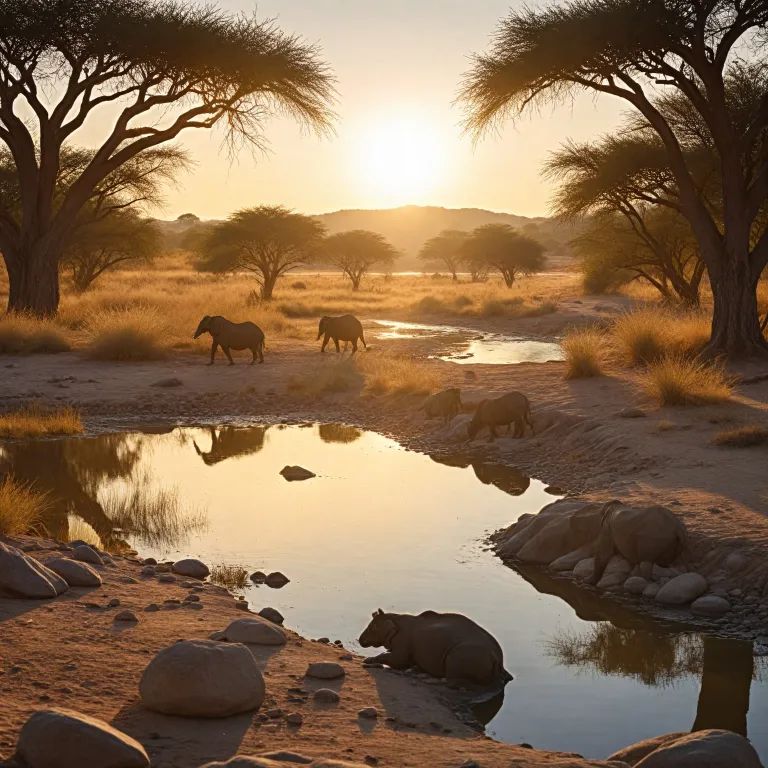
Ruaha national park in Tanzania as a southern safari stronghold
Ruaha National Park in southern Tanzania is a vast, rugged landscape where the great Ruaha River shapes every safari. This immense park in Tanzania covers more than twenty thousand square kilometres, making it one of Africa’s largest protected wildlife areas. Travellers who choose this national park instead of the northern circuit parks often seek quieter destinations and deeper immersion.
The park lies west of Iringa, and the journey itself frames the sense of remoteness that defines Ruaha. Access is usually by light aircraft from Dar Salaam to Msembe airstrip, although the long road from Iringa town reveals how the surrounding area transitions from small farms to wild savanna. Once inside the park Tanzania reveals a mosaic of rocky kopjes, baobab forests, sand rivers, and dense riverine woodland.
Ruaha national is managed by the Tanzania National Parks Authority, whose conservation mandate underpins every safari experience. Their work has expanded the original park Ruaha boundaries to include the Usangu wetlands, now a key part of the southern Tanzania conservation landscape. This integration has strengthened the role of Ruaha within the wider network of Tanzania national parks and reinforced its importance for regional wildlife corridors.
For travellers comparing national parks, Ruaha stands out for its sense of space and low visitor numbers. Game viewing here feels unhurried, with long days on safari often shared with very few other vehicles. That solitude, combined with the park southern location, makes Ruaha one of the best destinations in Africa for travellers who value authenticity.
Wildlife, rivers, and the character of the Ruaha landscape
The great Ruaha River is the lifeblood of Ruaha National Park and shapes both wildlife behaviour and safari rhythm. During the long dry season, this river contracts into deep channels and pools that attract elephants, lions, and vast herds of buffalo. Along the ruaha river banks, crocodiles and hippos crowd the remaining water, while predators concentrate around these shrinking resources.
Beyond the main river, the park contains sand rivers and seasonal wetlands that define different wildlife areas. In the Usangu expedition zone, floodplains and marshes support rare antelope and an impressive diversity of birdlife. With more than five hundred recorded bird species, Ruaha ranks among the most rewarding national parks in Africa for serious birdwatchers.
Game viewing in this southern circuit park often focuses on large predators and elephants, but the smaller details are equally compelling. Rock hyrax sun themselves on granite outcrops, while klipspringer antelope navigate the boulders with delicate precision. In the mopane woodlands, you may encounter shy kudu and sable, especially during the cooler hours of the days.
Because Ruaha lies within southern Tanzania, its ecosystems differ from those of Serengeti and other northern parks. Here, baobab trees dominate the skyline, and the interplay between woodland and open plains creates varied safari ruaha experiences. This diversity, combined with the relative isolation of each camp, gives the park a distinctive character that many seasoned Africa travellers consider the best kept secret.
Planning your safari: seasons, routes, and length of stay
Choosing the right season is central to planning a safari in Ruaha National Park Tanzania. The dry season from May to December offers the best wildlife viewing opportunities, as vegetation thins and animals concentrate around the great Ruaha River. During these months, game viewing is particularly intense along the river systems and around permanent waterholes.
In the green season, the park transforms into a lush, emerald landscape with dramatic skies and fewer visitors. While wildlife can be more dispersed, the scenery is spectacular, and birding reaches its peak with migratory species. Photographers often favour this period for its soft light and striking contrasts between storm clouds and baobab silhouettes.
Most travellers combine Ruaha with other destinations in the southern circuit, such as Nyerere National Park rather than Serengeti in the north. This park southern combination allows for varied ecosystems, from riverine floodplains to miombo woodland, within a single Tanzania national itinerary. Flights typically link Dar Salaam, Ruaha, and other national parks, making logistics relatively straightforward.
To appreciate the scale of park Ruaha and its different areas, plan at least four to five days on safari. This allows time for unhurried game drives, a possible usangu expedition extension, and relaxed afternoons in camp. Longer stays also support sustainable tourism, spreading visitor impact and contributing more meaningfully to conservation in Africa.
Camps, lodges, and the character of staying in Ruaha
Accommodation in Ruaha ranges from simple park bandas to refined safari camps that blend comfort with a strong sense of place. Many travellers choose an expedition camp along the ruaha river, where canvas walls and open sides keep you close to the sounds of the bush. Nights here are punctuated by lions calling, elephants feeding nearby, and the steady rush of the river.
Properties such as Jabali Ridge showcase how design can echo the surrounding national park landscape without overwhelming it. Perched on a rocky outcrop, this camp offers sweeping views across the park Ruaha plains and baobab forests. Its elevated position makes it one of the best locations in southern Tanzania for watching storms roll across the horizon during the green season.
Further south, the usangu expedition style of camp focuses on immersive, low impact stays in a remote wetland area. Here, activities may include walking, boating when water levels allow, and night drives that reveal the park’s nocturnal wildlife. These camps operate in close collaboration with conservation researchers, adding depth to the safari ruaha experience.
When comparing camps across Tanzania national parks, consider not only comfort but also guiding quality and conservation ethos. Some operators, for example, combine Ruaha with walking safaris elsewhere in Africa, such as those described in this detailed overview of a historic vessel turned walking-safari base along the Okavango Delta: modern walking safari elegance in the Okavango. Such combinations help you understand how different national parks and circuits complement one another.
Game drives, conservation, and community in the Ruaha area
Game drives in Ruaha National Park typically follow the course of the great Ruaha River at first light. Early mornings in this park tanzania bring cool air, soft light, and heightened wildlife activity along the water. Guides often focus on predator tracks, elephant movements, and the subtle signs that reveal where the day’s best sightings may unfold.
As the sun rises, vehicles may move away from the river into more open areas of the park. Here, game viewing can include large herds of buffalo, mixed antelope, and sometimes cheetah on the hunt. Afternoon drives often return to the river systems, where animals gather again to drink during the final hours of the days.
Behind these memorable safaris lies a complex conservation story that extends beyond the park boundaries. Ruaha national is part of a broader landscape where community engagement, anti poaching efforts, and land use planning all intersect. The Tanzania National Parks Authority works with local communities and international partners to reduce human wildlife conflict and support sustainable livelihoods.
Travellers can contribute by choosing operators who support research, education, and fair employment in southern Tanzania. Many camps share updates on lion monitoring, elephant movements, and habitat restoration within the national park and surrounding area. Before booking, it is worth reading each operator’s privacy policy and conservation commitments to ensure your safari ruaha investment supports long term protection of Africa’s wildlife.
Combining Ruaha with other Tanzania national parks and practical tips
Ruaha sits at the heart of the southern circuit, making it an ideal partner to other Tanzania national parks. While Serengeti and Ngorongoro dominate many itineraries, combining Ruaha with Nyerere or coastal destinations offers a quieter, more varied journey. This approach balances the drama of big game viewing with time for reflection in less crowded parks.
From Dar Salaam, scheduled flights link easily to Ruaha and onward to other national park hubs. Travellers often begin with a few days on the coast before flying inland to the park southern wilderness. Alternatively, some choose to start in Iringa, travelling by road to appreciate how the landscape shifts from town to wild Africa.
When planning, pay close attention to luggage limits on small aircraft and the timing of the dry season. Lightweight, neutral clothing, a good pair of binoculars, and a flexible attitude will enhance your experience in any park tanzania. Health advice, visa requirements, and park fees can change, so consult up to date guidance before you visit Ruaha.
Finally, remember that each camp, from an expedition camp in Usangu to Jabali Ridge on its rocky hill, operates within a regulated framework set by Tanzania National Parks Authority. Their policies, including each operator’s privacy policy, aim to balance visitor comfort with the integrity of Ruaha national ecosystems. By respecting these guidelines, you help ensure that future generations can enjoy the same wild, unhurried safaris across this remarkable corner of Africa.
Key statistics about Ruaha National Park
- Park area of approximately 20 226 km², making Ruaha one of Africa’s largest national parks.
- Home to around 571 recorded bird species, offering exceptional ornithological interest.
- Historically significant elephant population decline of about 18 000 individuals between 2009 and 2015, underscoring ongoing conservation challenges.
- Estimated to hold roughly 10 % of the global wild lion population within the wider Ruaha landscape.
Essential questions about visiting Ruaha National Park
What is the best time to visit Ruaha National Park?
The dry season from May to December offers the best wildlife viewing opportunities, as animals concentrate around remaining water sources and vegetation is less dense. During this period, game drives along the great Ruaha River are particularly productive. Travellers who prioritise clear sightings of large mammals generally favour these months.
How can I access Ruaha National Park?
Ruaha can be reached by dirt road from Iringa, a journey that highlights the transition from settled farmland to wild savanna. Most safari guests, however, choose to fly by light aircraft to Msembe or Jongomeru airstrips from Dar Salaam or other hubs. Your chosen camp or operator will usually coordinate these logistics as part of a wider Tanzania national itinerary.
What accommodations are available in Ruaha National Park?
Accommodation options range from simple park bandas managed by the authorities to luxury safari camps such as Jabali Ridge and remote usangu expedition style properties. These camps offer guided game drives, full board stays, and varying levels of comfort, often with exceptional views over the park. When selecting where to stay, consider location within the park, guiding quality, and each operator’s conservation commitments.
References : Tanzania National Parks Authority ; National Geographic Education ; Ruaha National Park entry on Wikipedia.