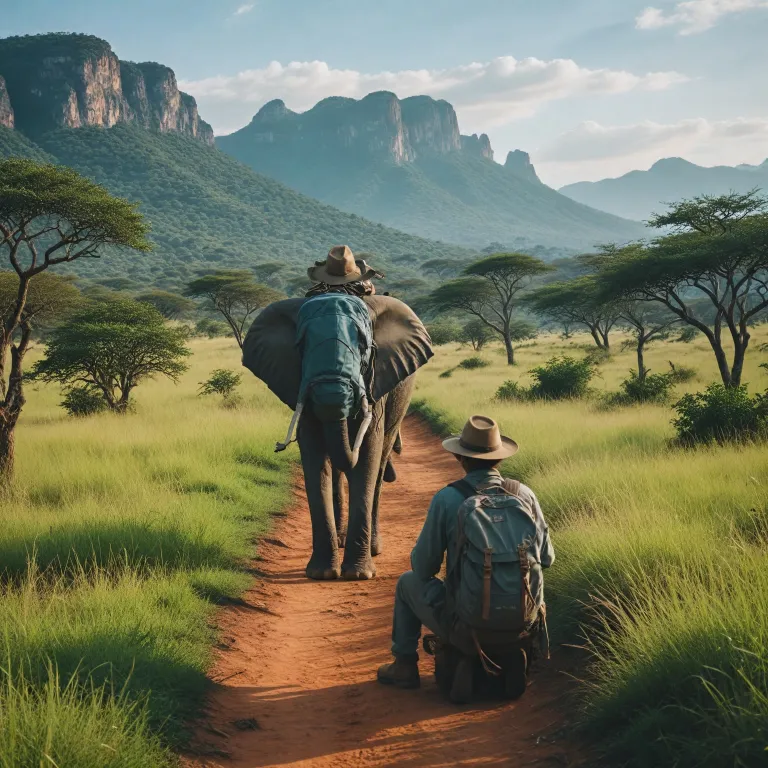
Understanding the essentials: Building your safari packing list for beginners
Embarking on an African safari is a transformative travel experience, but the key to comfort and safety lies in a well-considered packing list. For beginners, knowing what to bring and what to leave behind can be daunting. The right safari packing list will ensure you are prepared for the unique challenges of the African wilderness, from unpredictable weather to the requirements of game drives and camps. Lightweight, moisture wicking clothing is essential, as temperatures can fluctuate dramatically between early morning and midday. Neutral tones are recommended for safari clothing, helping you blend into the environment and avoid attracting insects.
When you pack for a safari, prioritize items that serve multiple purposes. A long sleeve shirt and pants protect against sun and insects, while a water resistant jacket is invaluable during unexpected showers. Your packing list should include a soft sided duffle bag, as many safari vehicles and small planes have strict luggage restrictions. Maximum dimensions and weight limits are common, so check with your safari operator before you pack. Camps provide basic amenities, but it is wise to bring your own shampoo conditioner in travel sizes, as well as a small carry bag for personal items.
Do not bring unnecessary gadgets or heavy luggage; instead, focus on essentials like a camera, binoculars, and a day pack for game drives. Remember, packing lists for an African safari are about efficiency and adaptability. "Neutral-colored, lightweight clothing in layers is recommended to adapt to varying temperatures and to avoid attracting insects." This expert advice underscores the importance of thoughtful preparation for your safari adventure.
Choosing the right clothing and gear for your Africa safari
Safari clothing should be chosen with both practicality and comfort in mind. Lightweight, moisture wicking fabrics are ideal for Africa’s climate, which can be hot during the day and cool at night. Long sleeve shirts and pants offer protection from the sun and insects, while a water resistant jacket is essential for early morning game drives or unexpected rain. When you pack safari clothing, select neutral colors such as khaki, olive, or beige, as these help you blend into the natural surroundings and minimize disturbance to wildlife.
Footwear is another critical aspect of your safari packing list. Closed-toe shoes are recommended for both comfort and safety during walks and game drives. Your packing list should also include a wide-brimmed hat, sunglasses, and a scarf or buff to shield against dust. Camps lodges often provide laundry services, so you can pack fewer items and wash as needed. Remember to bring essential toiletries, including travel-sized shampoo conditioner, sunscreen, and insect repellent.
When considering what to bring, remember that many camps provide basic amenities, but personal comfort items such as a favorite pillowcase or moisturizer can make a difference. For more detailed advice on safari clothing and gear, visit our comprehensive safari gear guide. "Yes, many safari operators have luggage weight limits and prefer soft-sided bags due to space constraints in vehicles." This quote highlights the importance of selecting the right luggage for your Africa safari.
Packing smart: Luggage, bags, and organization for safari travel
Efficient packing is crucial for a successful safari trip. Most safari operators enforce strict luggage restrictions, often requiring soft sided duffle bags with maximum dimensions to fit in small aircraft or safari vehicles. When you pack for an African safari, choose a lightweight, durable duffle bag and a compact day pack for daily excursions. Your packing list should prioritize items that are essential, versatile, and easy to organize.
Divide your clothing and gear into categories: safari clothing, personal items, and equipment such as cameras and binoculars. Use packing cubes or compression bags to maximize space and keep your luggage organized. A carry bag for valuables and documents is recommended, as you may need to keep these items with you during transfers. Do not bring hard-shell suitcases or oversized luggage, as these are difficult to accommodate in safari vehicles and camps. "Many lodges provide charging facilities, but it's advisable to bring a power bank and the appropriate plug adapters." This expert insight ensures your camera and devices remain charged throughout your trip. Remember, a well-organized packing list will enhance your overall safari experience.
Game drives and daily activities: What to bring for comfort and safety
Game drives are the highlight of any African safari, offering close encounters with wildlife in their natural habitat. Your safari packing list for beginners should include items that enhance comfort and safety during these excursions. A lightweight, water resistant jacket is essential for early morning or evening drives when temperatures can drop. Long sleeve shirts and pants provide protection from insects and the sun, while a wide-brimmed hat and sunglasses shield you from glare.
Bring a camera with extra batteries and memory cards to capture the excitement of game drives. Binoculars are invaluable for spotting distant animals, so include them on your packing list. A small day pack allows you to carry essentials such as water, snacks, sunscreen, and insect repellent. Camps provide basic amenities, but it is wise to bring your own reusable water bottle to stay hydrated during long drives.
Do not bring unnecessary valuables or bulky items, as space in safari vehicles is limited. Instead, focus on packing lists that prioritize comfort, safety, and practicality. Remember, the right packing list will ensure you are ready for every adventure Africa has to offer.
Health, hygiene, and personal care: Essentials for your safari packing list
Maintaining health and hygiene is vital during a safari trip. Your safari packing list should include essential medications, a basic first aid kit, and any prescription drugs you may need. Bring travel-sized shampoo conditioner, soap, and personal hygiene products, as camps provide only basic amenities. Moisture wicking clothing helps manage sweat and keeps you comfortable throughout the day.
Sun protection is crucial, so pack sunscreen, lip balm with SPF, and a wide-brimmed hat. Insect repellent is another must-have, especially in areas where mosquitoes are prevalent. "It depends on the region; consult with a healthcare provider for recommendations based on your specific destination." This expert advice is particularly relevant for malaria prophylaxis and other health precautions.
Carry a reusable water bottle to stay hydrated, and consider water purification tablets if you are traveling to remote areas. Camps lodges often have limited supplies, so do not bring large quantities of toiletries, but ensure you have enough for your trip. Packing lists for African safari travel should always include personal comfort items, such as a small towel, wet wipes, and hand sanitizer, to maintain hygiene in the bush.
Expert tips for first-time safari travelers: Maximizing your experience
For beginners, a well-prepared safari packing list is the foundation of a memorable Africa safari adventure. Pack light, focusing on essential items that enhance comfort and safety. Soft sided luggage is preferred, with maximum dimensions specified by most safari operators. Do not bring unnecessary items; instead, curate your packing list to include only what you will wear and use daily.
Layering is key, as temperatures can vary widely between game drives and midday activities. Choose moisture wicking, lightweight clothing in neutral tones for optimal comfort. "Comfortable, closed-toe shoes are recommended for protection during walks and game drives." This expert quote reinforces the importance of appropriate footwear.
Remember to bring a camera, binoculars, and a day pack for daily excursions. Camps provide basic amenities, but personal items such as shampoo conditioner and a reusable water bottle are essential. For more detailed packing lists and expert advice, consult with your safari outfitter or travel specialist before your trip. A thoughtful safari packing list for beginners ensures you are prepared for every aspect of your Africa safari journey.
Key statistics for safari packing list for beginners
- Average daily temperature in Nairobi, Kenya (January): 79 °F
- Average daily temperature in Johannesburg, South Africa (January): 79 °F
- Average daily temperature in Arusha, Tanzania (January): 82 °F
Frequently asked questions about safari packing lists
What clothing is recommended for a safari?
Neutral-colored, lightweight clothing in layers is recommended to adapt to varying temperatures and to avoid attracting insects.
Are there luggage restrictions for safaris?
Yes, many safari operators have luggage weight limits and prefer soft-sided bags due to space constraints in vehicles.
Can I charge electronic devices during the safari?
Many lodges provide charging facilities, but it's advisable to bring a power bank and the appropriate plug adapters.
References:
AccuWeather
Safari Outfitters
Local guides and tour operators