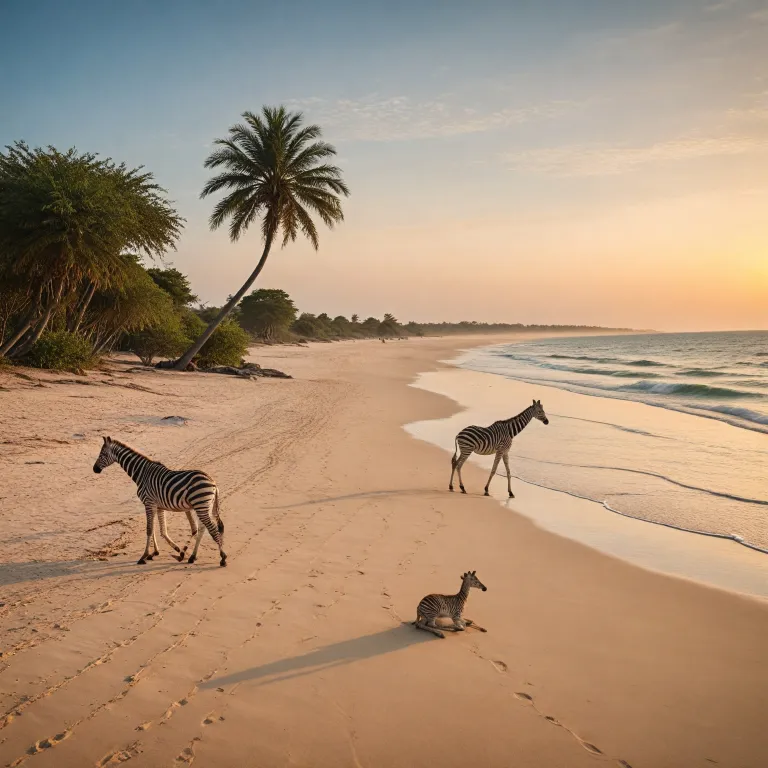
Where beaches in Tanzania meet the rhythm of safari
The beaches in Tanzania form a luminous fringe between the Indian Ocean and some of Africa’s most iconic wildlife areas. Along this 1424 kilometre coastline, each beach offers a different mood, from lively city stretches near Dar es Salaam to secluded coves framed by forest. For travellers who pair safari with sea, this shoreline becomes a gentle landing after days of game drives.
Many visitors arrive from a national park such as Serengeti or Ruaha, then continue their Africa travel journey to a quiet sand beach. The contrast between lion tracks in the dust and white sand underfoot feels almost surreal, yet it is one of the best combinations in Tanzania. Planning your time visit carefully allows you to enjoy both the best beaches and the clearest wildlife viewing in a single holiday.
The Tanzanian Tourism Board promotes these coastal destinations while the Marine Parks & Reserves Authority safeguards fragile marine habitats. Their work ensures that a Tanzania beach can remain both a picture perfect escape and a living ecosystem. When you travel here, you step into a landscape where conservation and comfort share the same horizon.
For safari enthusiasts, beaches Tanzania side are not an afterthought but a vital part of the journey. A final day beside the ocean lets you reflect on elephant herds, lion prides, and the quiet of dawn in camp. This balance between salt air and savannah dust is what makes Tanzania beaches some of the Africa best coastal retreats.
Zanzibar’s white sand shores after a classic safari
Zanzibar is often the first name that comes to mind when people think of beaches in Tanzania. The island sits just off the mainland, easily reached after a safari in Selous or Mikumi, and offers some of the best beaches for post adventure rest. Long arcs of white sand meet shallow turquoise water, creating a picture perfect setting for slow days.
On the east coast, the tide shapes the rhythm of every day on the sand beach. At low tide, you can walk far out over firm white sand, watching women harvest seaweed and fishermen tend their boats. At high tide, the same Tanzania beach becomes a calm lagoon ideal for swimming, paddleboarding, or simply floating after a demanding wildlife itinerary.
Many travellers choose Zanzibar as their main beach destinations because it combines culture, history, and sea. Stone Town adds a layer of Swahili heritage to your Africa travel story, while the northern beaches Tanzania side offer livelier evenings and water sports. When planning your best time to visit Africa’s coast, remember that the dry season usually brings clearer water and gentler seas.
After several days tracking wildlife, a lodge on Zanzibar’s quieter stretches can feel like a reward. You might spend one day snorkelling over coral, another reading in the shade, and another walking the beach at sunrise. For those seeking affordable safari adventures in Tanzania, pairing a modest lodge with simple coastal pleasures keeps the overall holiday balanced and accessible ; see this guide on budget friendly Tanzania safari options for practical planning.
Mafia Island marine parks and quiet coastal lodges
Mafia Island offers a very different experience from the more famous beaches in Tanzania around Zanzibar. Here, the focus is on marine life, protected reefs, and a slower pace that suits travellers coming off an intense safari. The Marine Parks & Reserves Authority manages the surrounding waters, which include some of the best beaches for snorkelling and diving in East Africa.
The island’s sand beach coves are smaller and more intimate than the long sweeps of Zanzibar. You often share the white sand with only a few other guests, local fishermen, and the occasional wandering crab. This sense of space makes Mafia Island one of the top beach destinations for travellers who value quiet over nightlife.
For many, the highlight of a Tanzania beach stay here is time in the water with whale sharks during their seasonal presence. Between excursions, you can read on the veranda of a simple lodge, listening to the tide and birds in the mangroves. Lodges Tanzania side on Mafia tend to emphasise low impact design, aligning well with travellers who care about conservation after visiting a national park.
Because access is more limited, planning your best time and total time visit is essential. Flights connect easily with mainland safari hubs, allowing you to move from savannah to sea in a single day. To keep costs under control, especially when combining multiple destinations, consult detailed advice such as these budgeting tips for safari and wildlife trips before finalising your holiday.
Dar es Salaam, Ras Kutani and the mainland coast
Many travellers first encounter beaches in Tanzania near Dar es Salaam, the country’s main coastal city. Here, urban energy meets the ocean, and a short drive can take you from busy streets to a calm sand beach. These stretches may not always be the best beaches for seclusion, but they offer a vivid glimpse of daily coastal life in Tanzania.
North and south of the city, you find quieter Tanzania beaches that appeal to safari goers seeking rest before or after their wildlife itinerary. The area around Ras Kutani, for example, is known for its forest backed white sand and gentle surf. This combination of lagoon, coastal forest, and ocean makes it one of the top beaches Tanzania side for travellers who appreciate nature without crowds.
Staying near Dar also simplifies logistics, especially if your safari begins or ends in the city. You can spend a day exploring markets and museums, then retreat to a lodge overlooking a picture perfect curve of coastline. For many, this balance between urban and coastal experiences becomes an unexpected highlight of their Africa travel story.
When choosing a Tanzania beach resort or smaller lodge near Dar salaam, consider how you want to feel between game drives. Some guests prefer a lively atmosphere with music and beach activities, while others seek quiet verandas and long walks on near empty sand. Either way, these mainland destinations prove that beaches Africa side can be as varied and rewarding as the country’s inland parks.
Combining national park safaris with coastal retreats
For travellers focused on safari, the real magic of beaches in Tanzania lies in how well they pair with wildlife areas. A classic itinerary might include a national park such as Serengeti or Tarangire, followed by several days on a Tanzania beach in Zanzibar or along the mainland. This structure allows your holiday to move from high intensity game viewing to deep rest beside the sea.
Many lodges Tanzania side now design packages that link bush and beach destinations seamlessly. You might fly from a tented camp directly to an island airstrip, stepping from savannah dust onto white sand within hours. This ease of movement encourages more visitors to extend their Africa travel plans and include both ecosystems in one journey.
When planning, think carefully about the best time for each component of your trip. The dry season is often the best time for wildlife viewing, while some travellers prefer slightly warmer, calmer seas for their beach days. Aligning these windows ensures that both your safari and your time visit to Tanzania beaches feel equally rewarding.
For those who love wild landscapes beyond Africa, inspiration can also come from other nature focused journeys such as these refined mountain and wildlife itineraries. Yet few places match the way beaches Africa side in Tanzania sit so close to big game country. In the end, a day on a quiet sand beach, reading and remembering lion sightings, may become your most enduring memory.
Practical tips for Tanzania’s coast and trusted information sources
Planning a holiday that combines safari and beaches in Tanzania requires attention to detail. Start by deciding which type of Tanzania beach suits you best, from lively stretches near Dar salaam to remote coves on Mafia Island. Then match your chosen beaches Tanzania side with nearby parks to minimise travel time and maximise relaxation.
Always check tide schedules, especially on east coast islands where the sea retreats far from the sand beach. Respect local customs by dressing modestly when away from the beach and villages, even in relaxed destinations. Be cautious of the strong sun along these white sand shores ; use high factor sunscreen, drink plenty of water, and seek shade during the hottest hours of the day.
Engaging with local communities adds depth to your Africa travel experience and supports coastal economies. Simple moments, such as buying fruit from a beach vendor or taking a guided village walk, often become as memorable as a picture perfect sunset. Most beaches are free to access, but some private beach resort properties may charge for facilities, so always ask before entering.
For authoritative guidance on Tanzania beaches and marine areas, two institutions stand out. The Tanzanian Tourism Board is responsible for promoting tourism in Tanzania, including its beaches. The Marine Parks & Reserves Authority (Tanzania) manages and protects marine parks and reserves, including islands with notable beaches. Their official channels provide reliable updates on the best beaches, conservation rules, and the Africa best practices for responsible visit Africa planning.
Key coastal and marine statistics for Tanzania
- Tanzania’s coastline extends for approximately 1424 kilometres along the Indian Ocean.
- The country currently includes 7 designated marine parks under formal protection.
- Many coastal regions welcome visitors year round, with a marked dry season that is often considered the best time for combined safari and beach itineraries.
Essential questions about Tanzania’s beaches
What is the best time to visit Tanzania’s beaches ?
The dry season from June to October is ideal for beach visits due to pleasant weather. During these months, humidity is lower, rainfall is limited, and sea conditions are generally calmer. This period aligns well with peak safari season, making it easier to combine wildlife viewing with time on a Tanzania beach.
Are there any entry fees for the beaches ?
Most public beaches in Tanzania are free to access for both residents and international visitors. However, some private beach resort properties or managed coastal areas may charge day use fees for facilities such as loungers, pools, or showers. Always ask about costs in advance, especially when planning a full day on the sand beach.
Is it safe to swim at these beaches ?
Swimming is generally safe at many popular Tanzania beaches, particularly in well known areas of Zanzibar, Mafia Island, and near Dar es Salaam. Conditions can vary with tides, currents, and local marine life, so it is important to follow local advice and heed any posted warnings. When in doubt, speak with your lodge staff or local guides before entering the water, especially if you are unfamiliar with beaches Africa side.