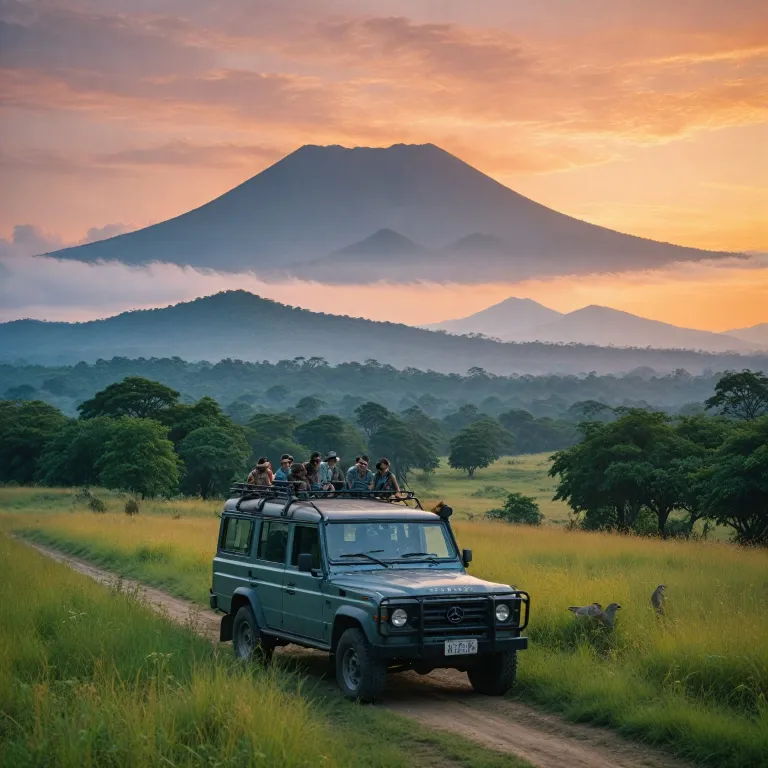
Planning your wildlife adventure: choosing ethical destinations and operators
Embarking on a wildlife adventure requires thoughtful planning to ensure both memorable experiences and positive impacts on nature. Begin by researching destinations renowned for their rich wildlife, such as national parks in South Africa, the Galapagos Islands, or Costa Rica. These locations offer opportunities to observe wild animals in their natural habitats while supporting conservation efforts and local communities. When selecting a tour operator, prioritize those with a proven commitment to ethical wildlife tourism and animal welfare. Certifications and transparent conservation policies are strong indicators of responsible practices.
Wildlife tourism thrives when travelers respect animal welfare and minimize their footprint. Seek out experiences that promote wildlife observation from a safe distance, avoiding any activities that involve feeding or direct contact with animals. This approach protects both the animals and their habitats, ensuring that your travel supports long-term conservation. Consider the timing of your trip, as certain seasons may offer better opportunities for wildlife photography, bird watching, or whale watching. Engaging with local conservation organizations can further enhance your understanding of the region’s unique ecosystems and the importance of sustainable tourism.
Don’t overlook the value of supporting local communities through eco friendly purchases and community-based tourism initiatives. By choosing destinations and operators aligned with ethical wildlife travel, you contribute to the preservation of wild spaces and the well-being of both animals and people.
Packing essentials for wildlife travel: gear, clothing, and eco friendly choices
Proper packing is crucial for a successful wildlife adventure, ensuring comfort, safety, and minimal environmental impact. Start with neutral-colored clothing that blends with the natural surroundings, reducing disturbance to wildlife and improving your chances of close observation. Sturdy footwear is essential for traversing diverse terrains, from the rainforests of Costa Rica to the savannas of South Africa. Don’t forget to include a hat, sunglasses, and eco friendly sunscreen to protect yourself during long hours in the wild.
Equip yourself with tools that enhance your wildlife experiences, such as binoculars for distant viewing and a camera with a zoom lens for capturing animals and birds in their natural habitat. Packing eco friendly toiletries and reusable water bottles minimizes waste and supports conservation efforts. Remember to bring guidebooks and maps to navigate national parks and remote destinations efficiently. A well-prepared packing list ensures you are ready for wildlife observation, photography, and ethical tourism activities.
When considering what to bring, prioritize items that support animal welfare and conservation. For example, avoid single-use plastics and opt for biodegradable products. Supporting local artisans by purchasing handmade goods also benefits local communities and promotes sustainable tourism.
Wildlife observation and photography: techniques for ethical and memorable encounters
Wildlife observation is at the heart of every adventure, offering travelers the chance to witness animals and birds in their natural habitat. To maximize your experiences, practice patience and maintain a respectful distance from wild animals. This approach not only ensures your safety but also upholds animal welfare and supports conservation efforts. Use binoculars and cameras with zoom lenses to observe and photograph wildlife without intruding on their space.
Lighting and timing play significant roles in wildlife photography. Early mornings and late afternoons often provide the best opportunities for capturing animals in action, as many species are most active during these times. Adjust your camera settings to accommodate varying light conditions and movement, ensuring sharp, vibrant images. Always follow ethical wildlife photography guidelines, avoiding flash and sudden movements that could disturb the animals.
Share your wildlife experiences responsibly on social media, highlighting the importance of conservation and ethical tourism. Inspire friends family to adopt similar practices by showcasing respectful interactions with nature.
Supporting conservation and local communities through wildlife tourism
Wildlife tourism has the power to drive positive change when travelers actively support conservation efforts and local communities. Choose experiences that directly contribute to the protection of natural habitats and the well-being of wild animals. Many national parks and eco friendly lodges reinvest tourism revenue into conservation projects, ensuring the long-term survival of wildlife and their environments.
Engage with local guides and community-based tourism initiatives to gain deeper insights into the region’s culture and ecology. Purchasing local products and participating in educational programs strengthens the connection between tourism and community development. By prioritizing animal welfare and ethical wildlife travel, you help foster a sustainable tourism industry that benefits both people and nature.
“How can I support local communities during my wildlife trip? Purchase local products, hire local guides, and participate in community-based tourism activities.” This advice, provided by experts, underscores the importance of responsible travel choices. Your actions as a traveler can inspire others and contribute to global conservation goals.
Ethical wildlife encounters: guidelines for responsible travel and animal welfare
Responsible wildlife travel hinges on a commitment to ethical encounters and animal welfare. Always research tour operators thoroughly, seeking those with certifications and positive reviews that reflect a dedication to conservation and ethical practices. “How can I ensure my wildlife tour is ethical? Research tour operators thoroughly, look for certifications, read reviews, and ensure they follow ethical guidelines for wildlife interactions.” This expert guidance is essential for safeguarding both animals and travelers.
During your trip, adhere to guidelines that prioritize the well-being of wild animals. Avoid feeding, touching, or chasing wildlife, as these actions can disrupt natural behaviors and put both animals and humans at risk. Respect designated viewing areas and follow the instructions of experienced guides, who are trained to balance wildlife observation with conservation.
Support conservation efforts by choosing experiences that emphasize education and habitat protection. Participate in activities such as whale watching, bird watching, and wildlife photography that celebrate the beauty of nature without causing harm. Ethical wildlife tourism not only enriches your travel experiences but also ensures the preservation of natural habitats for future generations.
Maximizing your wildlife adventure: making memories and inspiring others
Every wildlife adventure offers unique opportunities to connect with nature and create lasting memories. Take time to reflect on your experiences, sharing stories and photographs with friends family to raise awareness about the importance of conservation. Social media platforms provide a powerful tool for advocating ethical wildlife travel and inspiring others to adopt eco friendly practices.
Participate in post-trip advocacy by supporting conservation organizations and sharing feedback with tour operators. Your insights can help improve animal welfare standards and promote responsible tourism across destinations. “What should I pack for a wildlife adventure trip? Pack neutral-colored clothing, sturdy footwear, binoculars, a camera with a zoom lens, and eco-friendly toiletries.” This expert advice ensures you are well-prepared for future adventures.
As you plan your next wildlife travel experience, remember the impact of your choices on wild animals, local communities, and the natural world. By embracing ethical wildlife tourism and conservation efforts, you contribute to a global movement that values both adventure and responsibility.
Key statistics on wildlife adventure travel
- The global wildlife tourism industry is valued at 120 billion USD.
- 15% of wildlife species are threatened by tourism activities.
Frequently asked questions about wildlife adventure travel tips
How can I ensure my wildlife tour is ethical?
Research tour operators thoroughly, look for certifications, read reviews, and ensure they follow ethical guidelines for wildlife interactions.
What should I pack for a wildlife adventure trip?
Pack neutral-colored clothing, sturdy footwear, binoculars, a camera with a zoom lens, and eco-friendly toiletries.
How can I support local communities during my wildlife trip?
Purchase local products, hire local guides, and participate in community-based tourism activities.