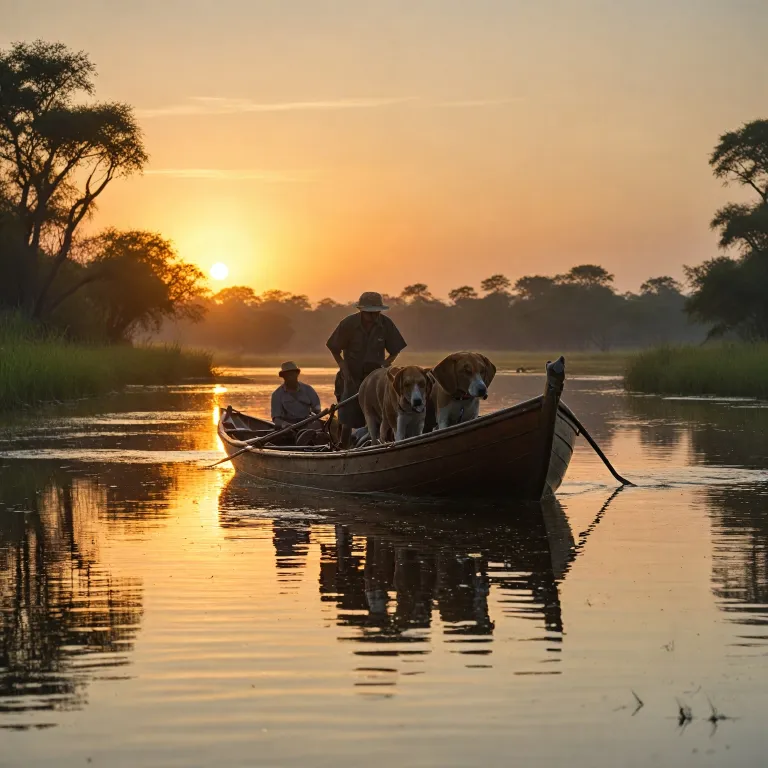
From HMS Beagle to beagle expeditions in the Okavango delta
The name beagle carries a legacy that began with a compact British naval vessel. Today, that same spirit of meticulous exploration shapes beagle expeditions in the Okavango delta, where every safari is treated as a serious scientific style journey into wildlife and landscape. Travellers who appreciate depth and detail find that this approach transforms a simple trip into a layered safari experience.
HMS Beagle once sailed under Captain Robert FitzRoy with Charles Darwin on board, using chronometers, theodolites, and barometers to chart coasts and study nature. Modern expeditions kweene operations in Botswana echo that precision by reading water levels, tracking wildlife movements, and planning each walking safari or game drive with similar care. This blend of history and field expertise gives guests a rare sense of continuity between ocean expeditions and inland safaris.
The Okavango delta, fed by a vast river system, offers a natural laboratory as rich as any coastline once surveyed by the original Beagle. In this swamp habitat, beagle expeditions focus on low impact travel, small camp footprints, and close observation of game in its most wild state. Guests move through the main area of the Kweene river and surrounding floodplains with guides who treat every track, call, and ripple as valuable data.
During the nineteenth century, there was a significant push for exploration and scientific discovery to map uncharted territories and understand natural phenomena. The voyages aimed to conduct hydrographic surveys, improve navigation charts, and collect scientific data, notably contributing to Charles Darwin's theory of evolution. Robert FitzRoy commanded the Beagle during its second voyage from 1831 to 1836.
Understanding the Kweene area and its intricate river system
The Kweene area lies on the western reaches of the Okavango delta, where channels braid through islands and floodplains. Here, beagle expeditions use the Kweene river and its feeder streams as natural highways for safaris that feel both remote and finely choreographed. The river system shapes every safari experience, from early morning game viewing to late afternoon walks along receding flood lines.
Because the Okavango delta is a dynamic wetland, water levels shift with distant rains rather than local storms. This creates a complex swamp habitat where wildlife adjusts its movements month by month, yet the region remains attractive year round for guests who value subtle seasonal changes. Operators such as expeditions kweene design each full day in the field around these hydrological rhythms, balancing water based activities with walking and vehicle based game drives.
In this part of Botswana, the Kweene trails follow ancient elephant paths and antelope routes between islands, pans, and dry sandveld. A walking safari along these trails reveals how game uses the mosaic of habitats, from papyrus lined channels to open grasslands and woodland fringes. For travellers planning complex itineraries and travel insurance for remote regions, specialised guidance on medical evacuation and trip interruption is essential, and resources offering expert safari travel insurance recommendations can be invaluable.
Beagle expeditions in the Kweene area also benefit from the protective buffer of the abu concession and other conservation zones. These controlled access regions limit vehicle density, which enhances the sense of wild seclusion during game drives and walking sessions. Guests quickly understand that the river system is not just scenery but the organising force behind every safari decision.
Life in camp: understated comfort and field focused elegance
A beagle expeditions camp along the Kweene river is designed for immersion rather than excess. Canvas walls, shaded mess areas, and open fire kitchens keep guests close to the sounds and scents of the Okavango delta at all times. The main area usually centres on a simple lounge and dining space that frames views over floodplains where game drifts past throughout the day.
Accommodation is typically in walk in tents with proper beds, soft linens, and thoughtful storage, yet the atmosphere remains deliberately light and mobile. Many camps still use the classic bucket shower, filled with warm water at agreed times, which reinforces the expeditionary character without sacrificing comfort. Guests often find that this balance between simplicity and care deepens their safari experience, because every comfort feels purposeful rather than ornamental.
Daily routines in camp follow the natural rhythms of wildlife and temperature rather than rigid timetables. Before sunrise, guests gather quietly in the main area for coffee while guides assess weather, water levels, and overnight game activity around camp. This is when plans for the morning walking safari or game drive are refined, ensuring that each outing responds to fresh tracks, calls, and shifting conditions.
Between activities, the camp becomes a place for reflection, field notes, and unhurried observation of the wild surroundings. Some travellers use this time to read about HMS Beagle, Darwin, or the broader history of expeditions that shaped our understanding of nature. Others simply watch the Kweene river flow past, appreciating how this modest camp stands at the meeting point of history, science, and contemporary safaris.
Walking safaris, game drives, and full day explorations
On beagle expeditions in Botswana, walking is not an afterthought but a central pillar of the safari experience. A walking safari along Kweene trails allows guests to read the landscape at ground level, from spoor and dung to bird calls and wind direction. Guides trained in this wild terrain move slowly and deliberately, turning each step into an opportunity for learning and quiet excitement.
Game drives complement these walks by extending the range of exploration across the Okavango delta and adjacent sandveld. Early morning and late afternoon game drives focus on prime game viewing, when predators patrol and herbivores move between grazing and the river system. Vehicles are usually open sided, allowing guests to feel the air, hear distant calls, and sense the scale of the area in a way that closed transport cannot match.
Many itineraries include at least one full day out, combining walking, game drives, and extended pauses at waterholes or along the Kweene river. During these longer expeditions, guides may follow fresh tracks for hours, adjusting plans as they interpret signs of game movement and changing water levels. For travellers preparing gear lists, resources on elegant open air wildlife adventures can help refine choices for clothing, optics, and day pack essentials.
Throughout these activities, safety and low impact travel remain paramount, reflecting a philosophy of wild entrust between guests, guides, and the ecosystem. Beagle expeditions teams brief guests carefully on behaviour around wildlife, positioning during game drives, and spacing during walks. This shared discipline allows the group to approach game respectfully while maintaining the sense of freedom that defines high calibre safaris.
Seasonality, water levels, and the character of the Okavango delta
Understanding seasonality is essential for anyone considering beagle expeditions in the Okavango delta. Unlike many river systems, the Okavango receives its main flood pulse from distant highlands, so local rainfall and water levels do not always align. This creates a fascinating rhythm where some channels swell while nearby pans dry, reshaping game patterns and safari logistics.
In higher water periods, the Kweene river and its tributaries expand into a broader swamp habitat, and access to certain islands may require boats or carefully planned walking routes. Game concentrates on slightly raised ground, and safaris focus on edges between wet and dry zones where wildlife movement is most intense. During lower water phases, more of the area opens to vehicle based game drives and extended walking safari routes, revealing hidden hippo paths and old river courses.
Because the region offers strong wildlife viewing year round, the choice of time becomes a matter of personal preference rather than simple quality. Some guests favour the drama of peak floods, when reflections, lilies, and reed beds dominate the scene, while others prefer drier months with easier access and longer walking options. Beagle expeditions and expeditions kweene teams help guests match their desired safari experience to specific seasonal characteristics of the Kweene area.
Across all periods, the abu concession and neighbouring reserves maintain strict controls on vehicle density and off road driving. This ensures that game drives remain calm and unhurried, even when sightings are exceptional. For travellers who value both photographic opportunities and ethical practice, this measured approach reinforces trust in the operators and in the long term health of the wild landscape.
Practical planning for beagle expeditions in Botswana and beyond
Thoughtful planning is crucial for anyone drawn to beagle expeditions in Botswana, especially in remote sectors of the Okavango delta. Travellers should consider how many nights to spend in each camp, how much emphasis to place on walking versus game drives, and whether to combine the Kweene area with regions such as the central kalahari. This broader view ensures that each trip feels like a coherent expedition rather than a string of unrelated safaris.
When evaluating itineraries, pay attention to how operators describe their main area of activity, typical full day outings, and flexibility around water levels. Ask specific questions about walking safari policies, guide qualifications, and the balance between vehicle based game viewing and time on foot. A transparent approach to these details is a strong indicator of professionalism and of genuine wild entrust between company, staff, and guests.
Equipment choices should reflect the expeditionary nature of these safaris, where a bucket shower, canvas walls, and open fires are part of the charm. Lightweight layers, neutral colours, and reliable footwear are more important than fashion, while good binoculars and a simple field notebook can transform the quality of observation. Guests who appreciate the history of HMS Beagle and its scientific voyages often enjoy keeping structured notes on wildlife, river system changes, and daily routes.
Finally, consider how beagle expeditions fit into a longer term relationship with Africa’s wild places. Returning to the Okavango delta at different times of year, or pairing the Kweene river with the stark beauty of the central kalahari, reveals new facets of the continent’s ecology. In this way, individual safaris evolve into a personal series of expeditions, echoing the layered journeys of the original Beagle while remaining firmly rooted in modern conservation ethics.
Key statistics about HMS Beagle and its exploratory legacy
- Length of HMS Beagle: 27 meters, a compact size that encouraged agile coastal surveying and close inshore work.
- Weight of HMS Beagle: 235 tons, allowing the vessel to balance seaworthiness with the ability to access relatively shallow waters.
- Number of chronometers on the second voyage: 22 chronometers, reflecting an exceptional commitment to precise navigation and timekeeping.
Essential questions about beagle expeditions and safari travel
What was the purpose of HMS Beagle's voyages, and why does it matter for modern safaris ?
The voyages of HMS Beagle aimed to conduct hydrographic surveys, improve navigation charts, and collect scientific data that advanced natural history. This legacy matters for modern safaris because it established a model of careful observation, rigorous note taking, and respect for local conditions that still underpins high quality expeditions. When contemporary operators reference beagle expeditions in the Okavango delta, they are often signalling a similar commitment to science informed travel and thoughtful engagement with wildlife.
Who was the captain of HMS Beagle during Darwin's voyage, and how is that leadership reflected today ?
Robert FitzRoy commanded the Beagle during its second voyage, overseeing both navigation and the scientific work conducted on board. His leadership combined technical skill with a willingness to support detailed natural history research, even in challenging conditions. Modern safari leaders who draw inspiration from this history tend to emphasise strong field skills, careful risk management, and an environment where guides and guests can pursue serious wildlife observation together.
What scientific instruments were used on HMS Beagle, and what is the parallel in current safari practice ?
HMS Beagle carried chronometers, theodolites, and barometers to ensure precise navigation and accurate data collection during its coastal surveys. In today’s safari context, the parallel lies in the use of GPS mapping, detailed wildlife monitoring, and systematic recording of water levels and game movements. While the tools have changed, the underlying principle remains the same ; reliable instruments and disciplined methods allow expeditions to operate safely while contributing meaningfully to our understanding of wild ecosystems.