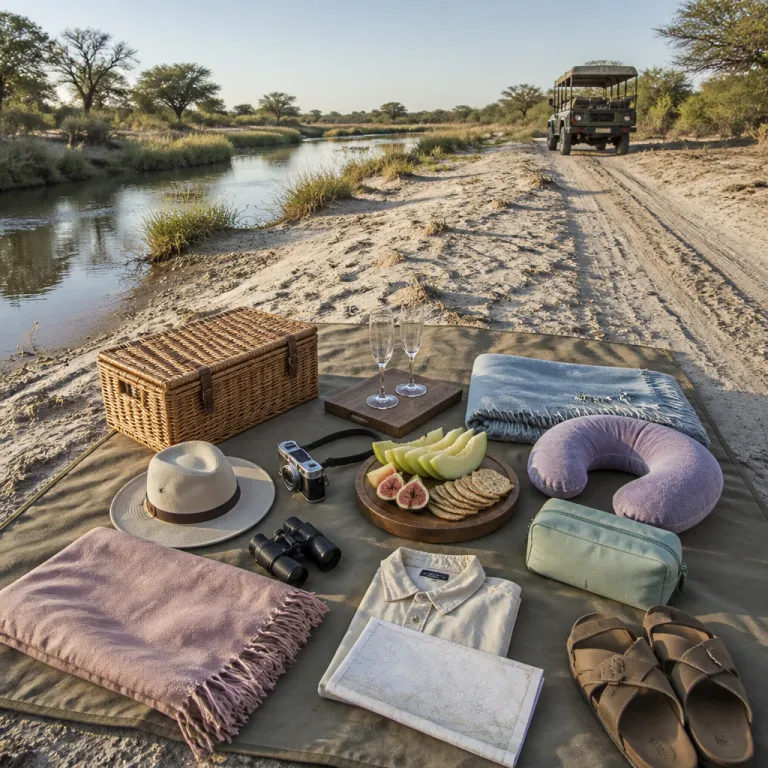
Why a Botswana honeymoon belongs among Africa’s most refined safaris
Botswana stands apart in Africa for low impact tourism and high reward wildlife encounters. This makes a Botswana honeymoon one of the best choices for couples who want privacy, romance, and serious game viewing in the same journey. With vast protected areas and carefully managed camps, honeymoon safaris here feel intimate rather than crowded.
The Botswana Tourism Organisation promotes this approach by limiting visitor density, so each safari experience feels exclusive even in famous destinations like the Okavango Delta and Chobe National Park. According to the Botswana Government and UN environment reports, around 38–40 percent of Botswana’s land is under some form of protection, one of the highest proportions in Africa and a major reason why wildlife thrives. For reference, the Botswana National Ecotourism Strategy (updated 2018) and UN Environment Programme assessments from 2019–2022 consistently cite this range. For honeymooners, that protection translates into quieter game drives, healthier ecosystems, and a deeper emotional connection to the landscapes you are sharing together.
For couples comparing a Botswana safari with options in South Africa or East Africa, the difference lies in scale and solitude. South Africa offers excellent game reserve infrastructure, yet Botswana’s private concessions and remote safari lodge locations deliver more secluded nights and a softer, more romantic atmosphere. If you are planning a honeymoon safari with a focus on wilderness rather than nightlife, Botswana’s camps and lodges consistently rank among the best destinations for meaningful, nature based travel.
Designing a romantic Botswana honeymoon itinerary across delta, river, and savannah
A thoughtful honeymoon Botswana itinerary usually combines three contrasting ecosystems for variety and balance. Start with several nights in the Okavango Delta, then move to the Chobe River area, and finish in a quieter game reserve or private concession. This rhythm keeps the safari experience fresh while allowing time for rest, romance, and unhurried game viewing.
In the Okavango Delta, water based safaris define the mood of your Botswana honeymoon. Traditional mokoro canoe outings and gentle boat safaris reveal wildlife from a low, peaceful angle, while afternoon game drives explore islands where elephant, lion, and antelope move between channels. For many couples, the mix of water, golden light, and distant calls of wildlife creates the most romantic setting of the entire honeymoon safari.
Next, Chobe National Park and the wider Chobe River area offer a different tempo, especially along the Chobe River where large herds of elephant and buffalo gather. Here, game drives and boat cruises focus on dense concentrations of game, with predators often close behind. To understand how such immersive African savannah journeys feel in practice, you can read this detailed perspective on a living game safari adventure, which mirrors the emotional intensity many couples experience on a Botswana safari.
Choosing camps and lodges: from Okavango Delta icons to Chobe river retreats
Selecting the right camp or lodge shapes every aspect of your Botswana honeymoon. In the Okavango Delta, properties such as Camp Moremi and Camp Okavango exemplify eco friendly luxury, with canvas suites, elevated decks, and attentive teams who understand honeymoon expectations. These camps sit within prime game viewing areas, so you can move from private brunch on the deck to an afternoon safari experience within minutes.
Along the Chobe River, a well positioned game lodge offers front row seats to some of Africa’s best elephant viewing. Many Chobe game lodges operate both river cruises and land based game drives, giving you flexibility to tailor each day of your honeymoon safari. Some couples prefer slow mornings on the deck watching wildlife drift past, while others choose dawn departures into Chobe National Park to track predators before the heat builds.
In more remote regions, a safari lodge such as Leroo La Tau in a private game reserve can provide even greater seclusion for honeymooners. Nights here feel profoundly quiet, with only the sounds of wildlife and the soft hum of lanterns around camp. For travellers interested in how slow, conservation focused safaris are evolving across Africa, this analysis of a slow safari manifesto in Tanzania offers useful parallels to Botswana’s own eco friendly luxury camp philosophy.
Seasonality, wildlife, and the rhythm of your honeymoon safari days
Timing your Botswana honeymoon correctly is essential for the style of safari you want. The dry season from May to October usually offers the best game viewing, as wildlife concentrates around remaining water sources in the Okavango Delta and Chobe River systems. During these months, game drives often deliver frequent sightings of elephant, big cats, and plains game within a single outing.
The wet season from November to April transforms the landscape into a lush, green canvas, which some honeymooners find more romantic despite slightly more challenging game viewing. Birdlife becomes spectacular, afternoon storms paint dramatic skies, and rates at many luxury camps and lodges are more accessible. If you value atmosphere, greenery, and quieter camps over dense wildlife sightings, a green season Botswana safari can still be one of Africa’s best travel experiences.
A typical day on honeymoon in Botswana starts with a gentle wake up call before sunrise, followed by coffee and a light snack before heading out on game drives or guided walks. Midday is reserved for rest, spa treatments, or private time on your deck, while the late afternoon brings another safari experience as temperatures soften. Evenings end with dinner under the stars, where couples often reflect on the day’s wildlife encounters and plan the next stage of their journey toward Victoria Falls or South Africa.
Beyond the game drives: mokoros, walking safaris, and Victoria Falls extensions
While vehicle based game drives remain central to any Botswana honeymoon, the most memorable moments often come from slower, more tactile experiences. In the Okavango Delta, mokoro excursions glide through reed lined channels where tiny frogs, kingfishers, and lilies share space with distant elephant. These outings feel intensely romantic, with minimal noise and a sense that time has paused just for the two of you.
Guided walking safaris in selected game reserves and private concessions add another dimension to your honeymoon safari. On foot, every track, scent, and sound becomes part of the narrative, and your guide explains how wildlife uses the landscape in ways that are invisible from a vehicle. One Botswana guide describes it simply: “On a walk, guests stop seeing animals as a checklist and start feeling how the bush actually lives around them.” Operators in Botswana typically use highly qualified guides and strict safety protocols, which is one reason the country is widely regarded as safe for honeymoon travel.
Many couples choose to end their Botswana safari with a visit to Victoria Falls, which lies a short flight away across the border. The falls provide a dramatic contrast to the quiet of the Okavango Delta and Chobe National Park, with optional activities ranging from gentle sunset cruises to more adventurous pursuits. For travellers curious about how new regions are entering the wildlife travel conversation, this article on emerging safari destinations offers useful context when comparing Botswana to other Africa and Asia safaris.
Practical planning: budgets, safety, and working with trusted safari operators
Planning a Botswana honeymoon requires realistic budgeting, as the country prioritises low volume, high value safaris. Luxury camps and lodges in the Okavango Delta and Chobe River regions often include game drives, meals, and local flights in their nightly rates, which can initially seem high but deliver strong long term value and conservation impact. Choosing a safari lodge or game lodge that supports local communities and conservation projects also improves the overall return on investment of your travel spend.
Working with experienced local safari operators is essential, because they understand seasonal wildlife movements, flight logistics, and the subtle differences between camps. Industry reports note that methods such as guided safaris, mokoro trips, and walking tours are standard, supported by tools like 4x4 vehicles, boats, and high quality camping equipment. These operators partner with local lodges and eco friendly luxury camps to create seamless itineraries that match your preferred pace, from high activity days to slower, more romantic nights.
On the question of safety, the official guidance is reassuring: “Is it safe to travel to Botswana for a honeymoon? Yes, Botswana is considered safe for tourists.” Couples should still follow local guidelines, listen carefully to camp briefings, and respect wildlife distances during all game drives and walks. Booking well in advance, packing light neutral clothing, and carrying comprehensive travel insurance will further reduce stress and allow you to focus fully on the safari experience.
Deepening the connection: conservation, culture, and meaningful memories
A Botswana honeymoon is not only about luxury tents and dramatic wildlife sightings. It is also an opportunity to support conservation initiatives that protect the Okavango Delta, Chobe National Park, and surrounding game reserves for future generations. With around 1,5 million annual tourist arrivals reported by the Botswana Tourism Organisation and international tourism statistics, responsible choices by honeymooners can significantly influence long term environmental results. Recent tourism data compilations from 2019–2023, drawing on UN World Tourism Organization and national statistics, place Botswana’s annual arrivals consistently close to this figure.
Many safari lodges and camps now integrate conservation briefings, community visits, and behind the scenes experiences into their honeymoon safari programmes. Couples might spend part of a day with anti poaching teams, learn how water levels in the delta affect wildlife, or visit local villages that benefit from tourism revenues. These encounters often become some of the most powerful memories of a Botswana safari, adding emotional depth to the romantic narrative of shared sunsets and candlelit dinners.
When you leave Botswana, the strongest impressions usually blend sensory details with a sense of purpose. You will remember the stillness of a private deck at Leroo La Tau, the rush of a lion sighting on a dawn game drive, and the roar of Victoria Falls at the end of your journey. Most importantly, you carry home the knowledge that your honeymoon in Africa contributed to protecting one of the planet’s best remaining wilderness destinations.
Key figures for a Botswana honeymoon safari
 Botswana protects about 38–40 percent of its land as national park, game reserve, or wildlife management area, according to the Botswana Government and UN environment data, which is one of the highest proportions in Africa and a major reason for exceptional wildlife densities. Policy documents such as the Botswana National Ecotourism Strategy (2018) and UN Environment Programme regional reviews (2019–2022) repeat this estimate.
- Annual tourist arrivals are estimated at around 1,5 million people, based on figures from the Botswana Tourism Organisation and international tourism datasets, illustrating strong but carefully managed demand for safaris and honeymoons. Consolidated tourism statistics released between 2019 and 2023 by the UN World Tourism Organization and national agencies support this rounded figure.
- The dry season from May to October is widely regarded as the best period for game viewing, because wildlife concentrates around permanent water sources in the Okavango Delta and Chobe River systems.
- Eco friendly luxury camps and lodges have grown in popularity in recent years, reflecting increased demand for sustainable travel experiences that balance comfort with conservation impact.
- Guided safaris using 4x4 vehicles, boats, and mokoros remain the primary methods for exploring Botswana’s wilderness, supported by highly qualified guides and strong safety records.
FAQ about planning a Botswana honeymoon safari
What is the best time to visit Botswana for a honeymoon safari ?
May to October offers dry weather and excellent wildlife viewing, making this period ideal for a Botswana honeymoon focused on game drives and clear skies. During these months, animals gather around rivers and waterholes, especially in the Okavango Delta and Chobe National Park. Green season travel from November to April can still be rewarding for couples who prioritise lush landscapes and quieter camps.
Are there luxury accommodations suitable for honeymooners in Botswana ?
Yes, numerous high end lodges and camps operate across Botswana, particularly in the Okavango Delta, Chobe River region, and private game reserves. Properties such as Camp Moremi, Camp Okavango, and Leroo La Tau offer spacious suites, attentive service, and carefully curated honeymoon experiences. Many safari lodges include private decks, plunge pools, and flexible dining to create a romantic atmosphere for couples.
Is it safe to travel to Botswana for a honeymoon ?
Official tourism guidance confirms the position clearly: “Is it safe to travel to Botswana for a honeymoon? Yes, Botswana is considered safe for tourists.” Most safari areas are remote, professionally managed, and staffed by experienced guides who prioritise guest safety. As with any wildlife destination, couples should follow camp rules, respect guide instructions, and maintain sensible travel insurance.
How many nights should we plan for a Botswana honeymoon ?
A balanced Botswana honeymoon usually lasts between seven and ten nights, split across two or three contrasting destinations. For example, you might spend three or four nights in the Okavango Delta, three nights near the Chobe River, and two or three nights in a quieter private game reserve. Adding two extra nights at Victoria Falls or in South Africa can extend the journey without making the travel schedule feel rushed.
Do we need previous safari experience before booking a honeymoon in Botswana ?
No previous safari experience is necessary, because local operators design itineraries specifically for first time visitors. Guides explain wildlife behaviour, safety protocols, and daily routines in clear, accessible language, so couples can relax and enjoy the journey. For many travellers, Botswana becomes the benchmark by which all future safaris in Africa are measured.