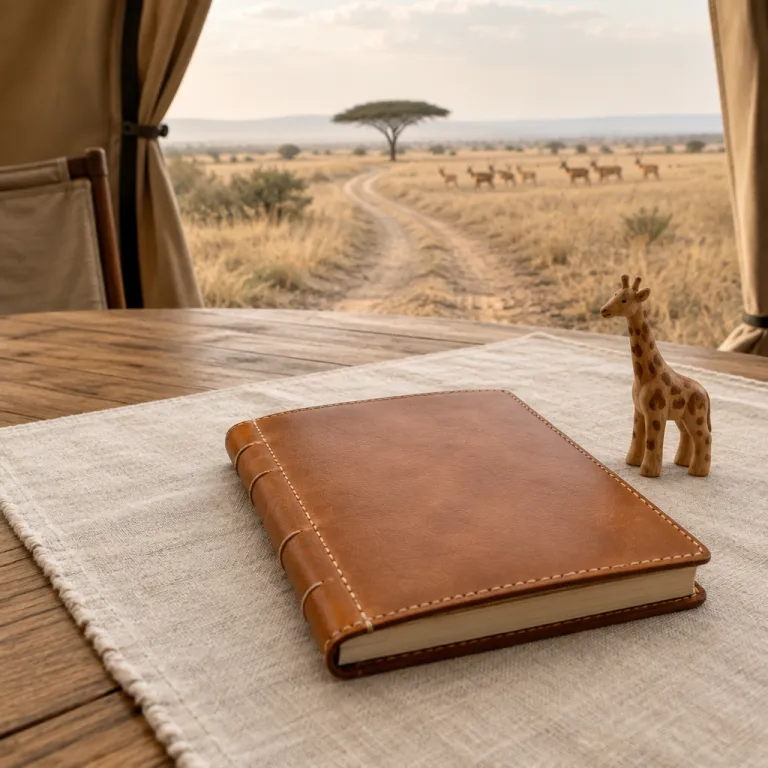
What africa fam really means for a modern family safari
Africa fam travel is no longer just an industry term for agents; it has become a mindset for any family planning a thoughtful safari trip. When you approach an African safari as an extended familiarisation journey for your own clan, you design every stage around shared wildlife experiences and meaningful time together. This Africa-focused family perspective turns standard safaris into immersive trips that feel like a true journey of a lifetime.
In professional travel circles, a fam trip traditionally means an educational journey where experts read the landscape, test lodges, and refine itineraries for future clients. Applied to a private family safari, the same learning-first philosophy encourages parents and safari teenagers to learn actively, ask questions, and engage with guides about conservation and culture. You are not just passing through Africa on quick trips; you are treating each national park and reserve as a classroom where wildlife viewing and game drives become part of a living curriculum.
Thinking in terms of an educational family safari also reshapes how you choose destinations and plan days on safari. Instead of chasing the single best Instagram moment, you evaluate which African parks offer the most family-friendly guiding, flexible schedules, and a positive impact on local communities. That intentional planning helps you balance thrilling game viewing with rest, cultural encounters, and space for younger children and teenagers to process what they see during intense safaris.
Designing africa fam itineraries in east africa and southern africa
When you start planning Africa-focused family itineraries, the first big decision is whether to focus on East Africa or Southern Africa. East Africa, especially Kenya and Tanzania, offers classic African safari landscapes with sweeping savannahs and dense wildlife, ideal for a first family safari trip. Southern Africa, including South Africa and neighbouring countries, often provides easier logistics, malaria-free national park options, and a wide range of family-friendly activities beyond game drives.
For many family travellers, Kenya and its Masai Mara National Reserve are the emotional heart of East Africa safaris. Here, multi-day stays in conservancies bordering the main park allow excellent wildlife viewing with lower vehicle numbers, which is better for sensitive safari teenagers. In Tanzania, combining the Serengeti with the Ngorongoro Conservation Area creates a powerful educational experience, with varied habitats and opportunities to read tracks, study migration patterns, and understand how national park management supports both people and wildlife.
Southern Africa shines for trips that mix safari with cities and coastlines. South Africa’s Kruger National Park and its private reserves offer some of the best game viewing in Africa, while Cape Town adds culture, beaches, and easy urban days between safaris. Families who want a deeper trip of a lifetime often extend into other Southern African destinations, such as the Okavango Delta in Botswana or Victoria Falls on the Zimbabwe and Zambia border, creating multi-country journeys that still feel coherent and manageable.
To understand why some lesser-known parks deserve attention, many planners now study detailed destination reports, such as analyses explaining why Hwange in Zimbabwe can be a first choice rather than an add-on safari. Reading this kind of expert evaluation helps you shape family-focused trips that avoid crowds and support emerging destinations with a strong positive impact. It also encourages you to think beyond the most famous national park names and consider where your family safari budget can do the most long-term good.
Balancing game viewing, downtime, and city stays on africa fam journeys
One of the most common mistakes in family safari planning is packing too many parks and flights into a short trip. Families often underestimate how intense daily game drives and constant wildlife viewing can feel, especially for younger children and safari teenagers. A more thoughtful approach builds in slower days, varied activities, and at least one city or coastal pause between heavy safari segments.
Cape Town is a natural anchor for many South Africa family safari itineraries, because it offers easy walks, beaches, and cultural visits after demanding safaris. A well-paced trip might start with a few relaxed days in Cape Town, then continue to a national park or private reserve for concentrated game viewing, before returning to the city for a final decompression. This pattern works equally well for longer journeys that include other Southern Africa highlights such as Victoria Falls or the Okavango Delta.
Families who enjoy combining different styles of travel sometimes pair an African safari with a yacht-based wildlife journey elsewhere, using specialist planning resources about high-level yacht safaris to refine their expectations for guiding and service. Reading such detailed planning guides helps you ask sharper questions about logistics, safety, and educational content on your own trip of a lifetime. It also reinforces the idea that every segment of your Africa family adventure, from cities to remote camps, should feel coherent and aligned with your values.
When you evaluate sample safaris, pay attention to how many days are scheduled in each park and how much transit time is required between destinations. A strong family itinerary usually limits internal flights, keeps road transfers reasonable for children, and allows at least three nights per stop to settle into the rhythm of wildlife viewing. This balance ensures that game drives remain exciting rather than exhausting, and that each national park visit feels like a deep experience rather than a quick checklist stop.
Choosing the right parks and lodges for africa fam travellers
Selecting specific parks and lodges is where family safari planning becomes highly personal. In East Africa, the Masai Mara and the Serengeti are famous for big cat sightings and dramatic game viewing, which can be unforgettable for safari teenagers and adults alike. However, smaller conservancies and lesser-known national park areas sometimes offer more flexible activities and a calmer atmosphere for a family safari.
In South Africa, private reserves adjoining Kruger National Park often provide some of the best structured family-friendly programs. Many lodges here design activities such as junior ranger courses, guided bush walks for older children, and shorter game drives tailored to different age groups. For an Africa family with mixed ages, this flexibility can transform a standard African safari into a genuinely inclusive journey of a lifetime.
Further north in Southern Africa, the Okavango Delta offers a very different style of experience, with water-based safaris, mokoro canoe outings, and seasonal wildlife viewing that changes month by month. Families who value quiet, immersive nature time often find that a few days in the Delta balance the more vehicle-heavy safaris of East Africa or South Africa. Combining the Okavango Delta with Victoria Falls and a classic game reserve creates trips that showcase the full range of African landscapes.
When comparing options, look closely at guiding standards, vehicle policies, and conservation commitments, not just décor or marketing language. A lodge that limits vehicle numbers at sightings, invests in local guide training, and supports nearby schools usually delivers a richer educational experience and a stronger positive impact. Reading detailed trip reports and asking for sample daily schedules will help you judge whether a property truly understands the needs of family travellers or simply uses “family-friendly” as a label.
Keeping safari teenagers engaged and inspired on africa fam trips
Teenagers can be the most enthusiastic and the most demanding travellers on any extended family journey. Long days in vehicles, early wake-ups, and limited connectivity can challenge even the most motivated safari teenagers. The key is to design an Africa family safari that treats them as active participants rather than passive passengers.
Guides who involve teenagers in tracking, bird identification, and navigation often transform their safari experience. On well-run trips, teenagers might help read spoor, log wildlife viewing data for research projects, or assist with camera trap placement in a national park. This sense of contribution turns game drives into collaborative missions and makes each African safari day feel purposeful.
Many family-friendly lodges in East Africa and Southern Africa now offer structured activities tailored to older children. These can include photography workshops, conservation talks, or visits to community projects where teenagers see the positive impact of responsible travel first hand. For a trip of a lifetime, such encounters often become the most memorable moments, shaping how young travellers think about Africa, wildlife, and their own future choices.
Parents should also plan realistic downtime within longer itineraries. Alternating intense safaris with relaxed days by a pool, short walks near camp, or gentle cultural visits in Cape Town or other cities keeps energy levels steady. When teenagers feel heard in the planning process and see that their interests shape the trip, they are far more likely to embrace early mornings, long trips between destinations, and the quiet patience required for exceptional game viewing.
Ensuring safety, ethics, and positive impact on every africa fam journey
Safety and ethics sit at the heart of any credible Africa family plan. A well-structured family safari in Africa should combine rigorous operational standards with a clear commitment to conservation and community benefits. When you evaluate potential trips, ask detailed questions about guide training, vehicle maintenance, and emergency procedures in each national park and private reserve.
Ethical considerations go beyond safety and into the core of how your travel dollars are used. Responsible operators in East Africa and Southern Africa support anti-poaching initiatives, fund local schools, and prioritise local employment, creating a measurable positive impact in the regions where they operate. Choosing such partners ensures that your Africa family adventure strengthens, rather than strains, the ecosystems and communities that make African safaris possible.
Families should also think carefully about wildlife interactions and photography practices. On a well-run trip, guides maintain respectful distances, limit vehicle numbers at sightings, and avoid any behaviour that stresses animals for the sake of closer wildlife viewing. Teaching children and safari teenagers to value ethical game viewing over staged encounters reinforces the long-term health of Africa’s parks and preserves the authenticity of their lifetime memories.
Finally, consider how your choices influence broader travel patterns. Opting for longer stays in fewer destinations reduces flight emissions and deepens your connection to each park and community. When more travellers approach safaris as thoughtful family journeys rather than quick checklist trips, the entire African safari industry moves toward a more sustainable, family-friendly, and future-focused model.
Key figures shaping africa fam and family safari planning
- The World Tourism Organization reports that Africa received over 70 million international tourist arrivals before the global travel downturn, with wildlife safaris representing one of the fastest-growing segments in East Africa and Southern Africa combined (UNWTO, 2019; see UNWTO “International Tourism Highlights 2019 Edition”).
- According to South African Tourism data, family travel has grown at roughly twice the rate of solo leisure travel, making Africa family and multi-generational trips a strategic focus for many national park and private reserve marketing teams (South African Tourism, 2018 domestic and international tourism performance summaries).
- Conservation organisations working in the Masai Mara and Serengeti ecosystems estimate that wildlife tourism contributes up to 10 percent of national GDP in Kenya and Tanzania, underlining how each family safari can have a significant positive impact on local economies (figures referenced by WWF and national tourism boards in public economic impact briefings).
- Studies from Botswana’s Department of Wildlife and National Parks indicate that low-density tourism models in the Okavango Delta generate higher per-visitor revenue while supporting better wildlife viewing conditions, a key consideration for travellers seeking quality over quantity (DWNP policy reports on tourism zoning and carrying capacity).
- Visitor surveys from major South Africa reserves show that more than 60 percent of guests now request specific family-friendly activities, confirming that modern expectations are reshaping how lodges design game drives, educational programs, and community visits (aggregated reserve guest feedback summaries shared in industry briefings).
FAQ about africa fam and family safaris
What does africa fam mean for a family planning a safari ?
For families, Africa fam describes a style of travel that treats a safari as an educational, relationship-building journey rather than a quick holiday. It emphasises thoughtful itineraries, age-appropriate activities, and meaningful wildlife viewing experiences across Africa. When you plan with this mindset, every park, lodge, and activity is chosen to support shared learning and a lasting trip of a lifetime.
Is east africa or southern africa better for a first family safari ?
East Africa, especially Kenya and Tanzania, offers iconic savannah landscapes and dramatic game viewing in places like the Masai Mara and Serengeti. Southern Africa, including South Africa and the Okavango Delta region, often provides easier logistics, malaria-free options, and strong family-friendly infrastructure. The best choice for your journey depends on your children’s ages, your preferred travel pace, and whether you want to combine safari with cities such as Cape Town or natural wonders like Victoria Falls.
How many days should we plan for an africa fam safari ?
Most specialists recommend at least seven to ten days for a balanced family itinerary, with three or four nights in each main park or reserve. This allows time to adjust to early game drives, enjoy varied wildlife viewing, and include some rest days for children and safari teenagers. Longer trips of twelve to fourteen days work well for Africa family travellers who want to visit both East Africa and Southern Africa on a single journey.
Are african safaris safe for children and teenagers ?
Well-organised African safaris with reputable operators are generally very safe for children and teenagers. Key safeguards include experienced guides, strict camp safety protocols, age-appropriate activities, and clear rules around wildlife viewing and movement in camp. When planning a family-focused trip, always discuss ages, medical needs, and comfort levels with your travel advisor so they can match you with suitable parks and lodges.
How can our africa fam trip support conservation and local communities ?
Your Africa fam journey can have a strong positive impact if you choose operators and lodges that invest in conservation and community projects. Look for transparent contributions to anti-poaching work, education, and healthcare, as well as genuine partnerships with local communities near each national park. By staying longer in fewer destinations and engaging with educational programs, your Africa family safari becomes part of a wider effort to protect wildlife and support sustainable livelihoods.