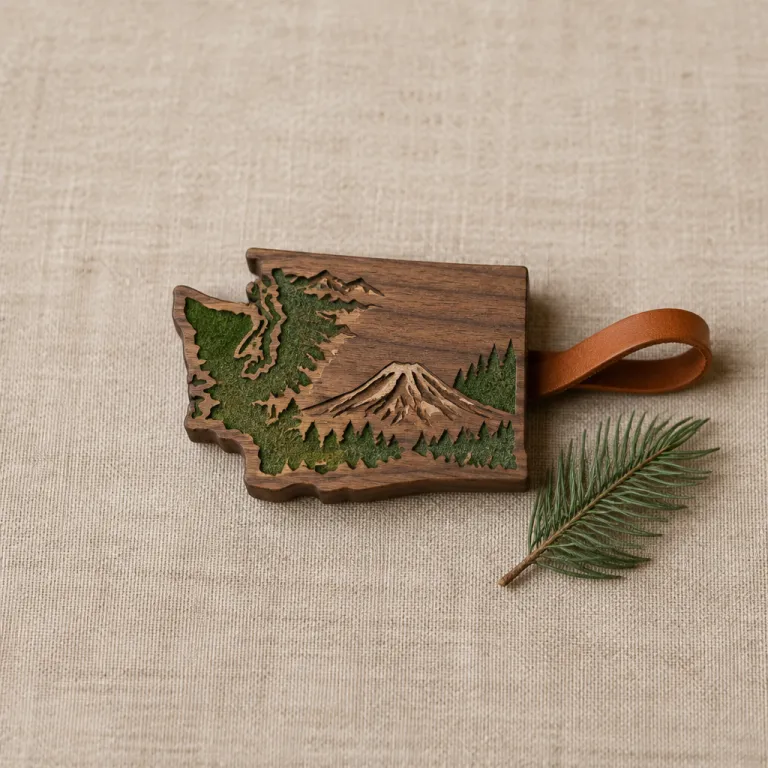
Why a mount rainier national park to olympic national park journey suits safari lovers
Travellers who love safari-style wildlife adventures often seek layered ecosystems and clear changes in habitat. A carefully planned journey from Mount Rainier National Park to Olympic National Park in Washington delivers that same multi-habitat richness in a compact region. Over a single day or a longer trip, you move between glaciers, temperate rainforests, rugged coastline, and alpine lakes that echo the diversity of classic wildlife destinations.
Think of Mount Rainier as your high-elevation counterpart to open savannah, where broad slopes and subalpine meadows reveal wildlife against sweeping views. The park’s open landscapes feel like a northern version of wide bush country, with elk, black bears, and marmots often visible near the trail network. By the time you reach the Olympic Peninsula, the dense mossy forests and wild beach sections evoke the mystery of exploring after dark on safari, even though you are still in the United States.
This itinerary suits readers of any wildlife or hiking blog who want structured adventure rather than aimless driving. You use the park road systems strategically, timing each segment of the road trip to match peak animal activity and the best light for photography. The result is a Mount Rainier to Olympic National Park experience that feels curated, not rushed, while still leaving time for spontaneous stops at a lake, scenic overlook, or quiet trail.
Designing a multi day road trip from seattle for wildlife focused travellers
Starting in Seattle gives you flexible access to three major national parks in one elegant loop. With careful time management, you can shape a road trip that links Mount Rainier, Olympic, and the distant North Cascades National Park into a single narrative of changing ecosystems. For safari-minded travellers, this mirrors the way a Southern Africa itinerary might connect different reserves in one coherent journey, moving from one landscape to the next.
Plan at least one full day in each park, then add buffer days for weather and slower exploration of each area. From Seattle, many visitors drive first to Mount Rainier National Park via the southern park road toward the Paradise area, stopping at the main visitor center to confirm trail conditions and recent wildlife sightings. After exploring classic hikes around Paradise or Sunrise, such as the Skyline Trail or Sunrise Nature Trail, continue your trip westward toward Port Angeles, the main gateway to the Olympic Peninsula.
In Port Angeles, you can pause the road trip rhythm and treat this coastal town as a hub for day excursions. From here, short drives radiate into the heart of Olympic National Park, from alpine ridges to the shores of Lake Crescent and the Sol Duc Valley. If you enjoy refined transitions from city lights to protected landscapes, you may appreciate reading an elegant guide from neon lights to Joshua Tree National Park, which offers a similar philosophy of linking urban energy with national park immersion.
Mount rainier national park: alpine trails, glaciers, and safari style observation
Mount Rainier rises more than 4,300 meters above sea level, dominating the skyline and shaping the climate of the surrounding national park. Wildlife enthusiasts should treat the mountain as a central water source, much like a permanent river in an African reserve, because its glaciers feed every lake, stream, and meadow in the area. This hydrological engine supports elk, black bears, mountain goats, and an impressive range of birdlife that you can observe from carefully chosen trail viewpoints.
Focus your time on the Paradise and Sunrise districts, where the park road climbs into subalpine terrain with far-reaching views in every direction. Shorter routes such as the Nisqually Vista Trail (about 2 km, easy) or lower Skyline Trail segments offer some of the best hikes for travellers who want strong scenery without committing to full-day ascents. For more experienced hikers, longer routes toward Camp Muir or the Burroughs Mountain area provide a safari-like sense of progression through distinct ecological zones and changing vegetation.
Because this is a glaciated volcano, conditions change quickly, so always check with the visitor center before setting out. Rangers can advise on snow coverage, recent wildlife activity, and the safest park road access for your planned schedule. If you are designing a broader wildlife-themed holiday that combines North American parks with African reserves, an elegant South Africa travel itinerary for safari, coast, and city life can complement this Washington route beautifully.
Crossing from rainier national to park olympic: timing, routes, and scenic stops
The transition from Mount Rainier National Park to Olympic National Park is where your journey begins to feel like a multi-reserve safari. Leaving the high slopes of Mount Rainier, you descend through forests and rural Washington communities before reaching the coast and the ferry or bridge routes that link the mainland to the Olympic Peninsula. The road trip itself becomes part of the wildlife experience, with chances to spot bald eagles, deer, and even marine mammals along the way.
Most travellers drive from the southern or western exits of Mount Rainier toward Tacoma, then follow the highway network north and west to the Hood Canal Bridge and Port Angeles. Depending on traffic and stops, this leg often takes 4 to 5 hours of driving time. This corridor offers several lake and beach detours, including options near Alder Lake, Hood Canal, and Sequim Bay, so plan extra time if you want to pause for photography or short walks. Treat each stop as you would a waterhole break on safari, scanning the surrounding area for movement and listening for bird calls before you step away from the car.
As you approach Port Angeles, the Olympic Mountains rise ahead, signalling your entry into a new protected area within the broader system of United States national parks. Here, the focus shifts from glaciers to rainforests, coastal ecosystems, and low-elevation river valleys that feel more intimate than the open slopes of Mount Rainier. For travellers intrigued by nocturnal wildlife, a detailed guide to where night drives are permitted on safari can inspire similar twilight walks in appropriate Olympic zones, always respecting local regulations, trail closures, and safety guidelines.
Olympic national park: rainforests, wild beaches, and layered ecosystems
Olympic National Park is unique among United States parks because it protects alpine peaks, temperate rainforests, and a long stretch of wild beach within a single boundary. For safari enthusiasts, this concentration of habitats in one national park mirrors the appeal of multi-biome reserves where you can track different species across short distances. The Olympic area rewards slow travel, repeated visits, and a willingness to explore beyond the main viewpoints and parking lots.
Base yourself near Port Angeles for easy access to Hurricane Ridge, where the park road climbs to panoramic views over the Strait of Juan de Fuca and the interior ranges. From there, drive west toward Lake Crescent, a deep glacial lake framed by steep forested slopes that often hold mist in the early morning. Short trails around Lake Crescent, such as the Marymere Falls Trail, and the nearby Sol Duc area offer some of the best hikes for spotting elk, varied birdlife, and dense moss communities that feel almost primeval.
Continue your road trip toward the Pacific coast, where Rialto Beach and other coastal sections reveal a different side of Olympic National Park. Here, driftwood, sea stacks, and pounding surf create a raw atmosphere that many travellers love, especially at low tide when tide pools teem with life. Walking along Rialto Beach at dusk, with seabirds overhead and the sound of waves, can feel as immersive as a shoreline game drive, even though you are exploring a temperate rather than tropical ecosystem.
Linking mount rainier, olympic, and north cascades into one grand parks itinerary
For travellers who want a truly comprehensive Washington wilderness journey, it is possible to link Mount Rainier, Olympic, and North Cascades into a single extended itinerary. This tri-park route offers a progression from volcanic peaks to rainforests and finally to the jagged ridges of the North Cascades, sometimes called the American Alps. In safari terms, you are moving from one distinct reserve to another, each with its own character, wildlife, and photographic style.
After completing your Mount Rainier to Olympic National Park segment, return toward Seattle and then drive north to the North Cascades National Park complex. Here, the North Cascades landscape is defined by steep valleys, turquoise reservoirs such as Diablo Lake, and remote trail systems that reward experienced hikers. While large mammals are more elusive than in Rainier or Olympic, the sense of remoteness and the dramatic views from high passes make this area a favourite among serious wilderness travellers.
Throughout this multi-park journey, keep a detailed field journal, noting wildlife sightings, trail conditions, and the timing of light at key viewpoints. Such notes enrich any travel blog you may write later and help other wildlife-oriented readers plan their own road trip routes. Over time, you will build a personal archive of national park experiences that rivals classic African itineraries in depth, even though the species and landscapes are entirely different.
Key statistics for planning a mount rainier to olympic national itinerary
- Mount Rainier National Park covers about 956 square kilometers, while Olympic National Park spans roughly 3,734 square kilometers, so Olympic offers nearly four times the area to explore in a single trip (National Park Service data).
- Driving from Seattle to Mount Rainier’s Paradise area typically takes around 2.5 to 3 hours, while the drive from Seattle to Port Angeles, the main Olympic gateway, usually requires about 3 to 3.5 hours depending on traffic and ferry or bridge timing (Washington State travel information).
- Average annual precipitation in the Hoh Rain Forest section of Olympic National Park exceeds 3,500 millimeters, compared with less than 1,500 millimeters on many Mount Rainier trail routes, which explains the stark contrast between alpine and rainforest ecosystems (National Oceanic and Atmospheric Administration climate summaries).
- Black bears are present in both Mount Rainier and Olympic National Parks, but Olympic also hosts a significant Roosevelt elk population, with several thousand individuals concentrated in river valleys such as the Hoh and Queets (National Park Service wildlife reports).
- Summer visitation to Mount Rainier and Olympic combined regularly exceeds several million people, so starting hikes early in the day and avoiding peak weekend periods can dramatically improve wildlife viewing opportunities and overall trail experience (National Park Service visitation statistics).
FAQ about travelling from mount rainier national park to olympic national park
How many days do I need for a mount rainier to olympic trip ?
Plan a minimum of four to five days to travel from Mount Rainier National Park to Olympic National Park if you want meaningful time on the trail in both areas. This allows at least one full day in each park plus travel time and weather flexibility. Wildlife-focused travellers often extend the itinerary to seven days to include sunrise and sunset sessions in multiple locations.
Is it realistic to visit north cascades on the same trip ?
Including North Cascades National Park on the same journey is realistic if you have at least eight to ten days. The driving distances between Seattle, Mount Rainier, Olympic, and the North Cascades add up, so you need generous time buffers. Many travellers choose two parks for a shorter trip, then return later to focus solely on the North Cascades region.
What is the best season for wildlife viewing in these parks ?
Late spring through early autumn generally offers the best combination of accessible park road routes, open trails, and active wildlife. In Mount Rainier, snow can linger on higher trail sections well into the warm season, so lower-elevation hikes may be preferable early on. Olympic’s coastal and rainforest zones remain accessible for more of the year, but clear views from Hurricane Ridge are most reliable in the drier months.
Do I need separate passes for each national park ?
You can use a single America the Beautiful annual pass for entry to Mount Rainier, Olympic, and North Cascades National Parks. If you only plan a short trip, individual park entrance fees are available at each visitor center and main gate. Frequent travellers usually find that the annual pass offers better long-term value.
Are there guided wildlife tours similar to safari drives ?
While you will not find open-vehicle game drives like in African reserves, both Mount Rainier and Olympic offer ranger-led walks and occasional wildlife-focused programs. Private guiding companies based in Seattle and Port Angeles also run small-group excursions that emphasise ecology, photography, and safe wildlife viewing. These guided experiences can add depth to your understanding of each park’s ecosystems, especially if you are new to North American national parks.