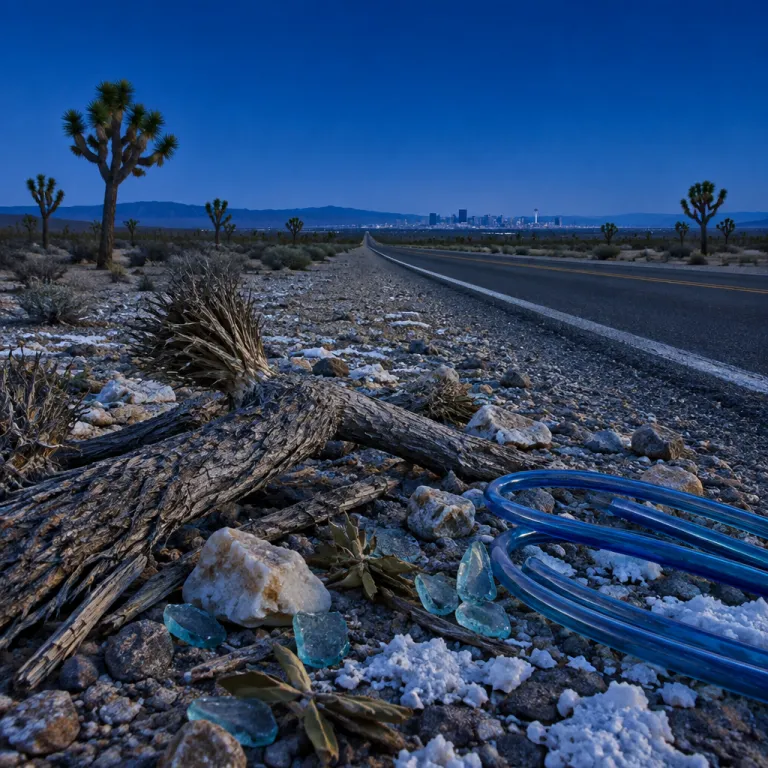
Why a journey from Las Vegas to Joshua Tree National Park captivates wildlife lovers
The route from Las Vegas to Joshua Tree National Park feels like a curated wildlife drive across the American Southwest. You leave the bright lights of Las Vegas and enter a sequence of wild spaces where every park and desert corridor reveals a different ecosystem. For travelers used to African savannahs, this road trip offers a surprisingly rich wildlife narrative in a compact time frame.
On a single trip you can link Red Rock Canyon, Death Valley National Park, and the Mojave Desert before reaching the sculpted rocks and Joshua trees of Southern California. Each protected area along the road offers its own version of a desert game drive, with bighorn sheep, desert tortoises, and raptors replacing lions and elephants but delivering the same sense of raw drama. Planning this kind of loop from Las Vegas to Joshua Tree National Park trains your wildlife eye to read subtle tracks, light, and behavior in arid landscapes.
Think of the Las Vegas to Joshua Tree journey as a multi-day wildlife classroom rather than a simple weekend escape. You move from the red rock formations near the city to the vast valley floors of Death Valley, then finally to the granite boulders and Joshua tree habitats of Joshua Tree National Park. For safari enthusiasts, this progression mirrors classic African itineraries where each region adds a new layer of behavior, geology, and desert adaptation.
Designing a safari style itinerary between Las Vegas, Death Valley, and Joshua Tree
Start your road trip by leaving Las Vegas early, when the air is still cool and wildlife is active near the city fringes. A short detour to Red Rock Canyon National Conservation Area via NV-159 lets you stretch your legs on a gentle trail while scanning for bighorn sheep on the rock faces. This first stop eases you from urban Las Vegas energy into the slower rhythm of a national landscape.
From there, drive toward Death Valley, planning your time so you reach the valley floor in late afternoon when temperatures soften. A common route follows US-95 south to NV-373 and CA-190, crossing the Mojave Desert, where long straight road segments invite careful observation of raptors riding thermals above the desert scrub. Treat the gas station stops in towns such as Pahrump or Beatty as field breaks, checking vehicle fluids and water supplies the way you would before a remote African game drive.
After a night near Death Valley National Park, continue toward Southern California desert country and the higher elevations around Joshua Tree. Many travelers underestimate how quickly the environment shifts from barren valley basins to granite rock gardens and dense clusters of Joshua trees. If you prefer structured planning for wilderness overnights, use the same principles you would apply to organizing a remote expedition: sketch daily driving legs, confirm campground availability, and build in buffer time for unplanned viewpoints along your Las Vegas to Joshua Tree National Park route.
Choosing trails, loops, and wildlife rich viewpoints in Joshua Tree
Once you reach Joshua Tree National Park, shift from long road days to slow, attentive hiking. Short loops such as the Hidden Valley trail, roughly 1.6 kilometres (1 mile), offer an excellent introduction to the park, with enclosed rock walls that shelter birds, lizards, and sometimes bighorn sheep. The incredible rock formations here create natural hides, letting you pause quietly and watch how desert species move through the landscape.
For travelers with safari experience, the ascent of Ryan Mountain feels like a classic viewpoint climb above an African plain. The trail gains about 320 metres (1,050 feet) of elevation over 4.8 kilometres (3 miles) round trip, and by the time you reach the summit you can read the entire valley system of Joshua trees, washes, and granite outcrops below. Late afternoon is often the best time for this hike, when long shadows reveal subtle contours and wildlife begins to move again after the heat.
Do not miss Keys View, where the panorama stretches across the Coachella Valley and, on clear days, toward Mexico. This vantage point helps you understand how the park sits between multiple desert systems, much like an ecological interface in Africa where ecosystems overlap. For more ideas on structuring multi-day nature itineraries, look at how you would pace time in another major national park and borrow that same rhythm of active mornings, shaded midday breaks, and unhurried sunset viewpoints for your own Las Vegas to Joshua Tree National Park adventure.
Camping, night skies, and desert safety on a Las Vegas to Joshua Tree route
Camping along the route from Las Vegas to Joshua Tree transforms a simple drive into a full immersion in desert nights. In Joshua Tree National Park, campgrounds such as Hidden Valley, Ryan, and Jumbo Rocks place you close to key trailheads and prime rock climbing areas. Night in the Mojave Desert brings deep silence, cold air, and some of the clearest skies in California.
Plan your camping nights with the same care you would devote to a remote African bush camp. Check park regulations, book sites early for peak weekend periods, and always carry more water than you think you need on every trail or loop. A reliable gas station stop before entering each national area is essential, because distances between services in Death Valley and the Mojave Desert can surprise even experienced travelers.
For budget conscious adventurers, the principles of planning economical camping trips without losing wildlife drama apply directly to the Las Vegas to Joshua Tree National Park route. Use similar checklists for gear, lighting, and emergency communication, then adapt them to desert-specific needs such as sun protection and extra fuel. Treat every night under the Joshua trees as you would a night on safari, with clear routines for food storage, navigation, and early morning starts.
Rock climbing, geology, and reading the desert like a safari guide
Joshua Tree is world renowned for rock climbing, and this activity can deepen your understanding of the park’s geology. Even if you only scramble on easy boulders near Hidden Valley, you begin to see how the rock has fractured, eroded, and created microhabitats for plants and animals. These same rock features shape wildlife movement, just as kopjes and granite domes do on African plains.
As you drive the road between Las Vegas, Death Valley, and Southern California desert country, notice how each rock canyon tells a different geological story. Red Rock near Las Vegas glows with iron-rich sandstone, while the valley floors of Death Valley reveal salt flats and alluvial fans that record ancient floods. By the time you reach Joshua Tree National Park, the rounded granite boulders feel like the final chapter in a long, readable book of stone.
Safari guides often say that geology is the stage on which wildlife behavior unfolds. The same principle applies on a road trip from Las Vegas to Joshua Tree National Park, where every canyon corridor, every desert valley, and every cluster of Joshua trees influences where animals shelter and hunt. When you pause at viewpoints such as Keys View or along the Ryan Mountain trail, take time to map likely wildlife routes across the rock and sand below.
Best time, pacing, and ethical wildlife watching on this desert itinerary
The best time for a Las Vegas to Joshua Tree National Park journey depends on your tolerance for heat and your wildlife priorities. Cooler months offer more comfortable hiking on trails like Ryan Mountain and the Hidden Valley loop, while shoulder seasons can bring dramatic skies and fewer crowds. Summer demands early starts, long midday rests, and careful planning around water, shade, and vehicle reliability.
Whatever season you choose, pace your trip so that each park and valley receives at least one full day. A rushed weekend from Las Vegas to Joshua Tree can feel like a checklist, whereas a slower road trip allows you to notice tracks, bird calls, and subtle changes in vegetation. Build in unscheduled time for roadside stops, short walks into the Mojave Desert, and quiet moments under solitary Joshua trees.
Ethical wildlife watching on this route mirrors best practice on African safaris. Stay on designated trail networks, respect closures around sensitive habitats, and never approach animals for a closer photograph, whether in Death Valley, Red Rock, or Joshua Tree National Park. Treat every desert inhabitant, from ravens at a gas station stop to lizards on a remote rock, as part of a larger, fragile system that your Las Vegas to Joshua Tree National Park adventure should honor rather than disturb.
Key figures and practical statistics for the Las Vegas to Joshua Tree route
- The driving distance from Las Vegas to Joshua Tree National Park via Death Valley is roughly 560 to 640 kilometres (about 350 to 400 miles), depending on the chosen road, which typically requires 7 to 9 hours of wheel time spread over at least two days for safe pacing.
- Joshua Tree National Park protects about 3,200 square kilometres (approximately 1,235 square miles) of desert habitat, an area larger than the entire state of Luxembourg, giving wildlife enthusiasts extensive space to explore varied elevations and trail systems (National Park Service data, 2024).
- Death Valley National Park covers more than 13,600 square kilometres (over 5,260 square miles), making it the largest national park in the contiguous United States and a significant segment of any extended road trip between Las Vegas and Southern California desert country (National Park Service data, 2024).
- Average annual rainfall in Death Valley is less than 60 millimetres (around 2.4 inches), which underlines the importance of carrying at least 4 litres (1 gallon) of water per person per day when hiking or camping anywhere along this desert-focused itinerary (National Park Service safety guidance).
- Night sky quality ratings from the National Park Service classify large areas of Joshua Tree and Death Valley as having some of the darkest skies in North America, offering exceptional stargazing opportunities for travelers who camp rather than stay in town accommodations.
FAQ about traveling from Las Vegas to Joshua Tree National Park
How many days do I need for a Las Vegas to Joshua Tree National Park trip ?
Plan a minimum of three days if you want to include both Death Valley and Joshua Tree National Park with meaningful time on at least one trail in each area. Four to five days allows a more relaxed loop with extra stops in the Mojave Desert and Red Rock near Las Vegas. Anything shorter than a long weekend tends to feel rushed and limits wildlife watching opportunities.
Is it safe to drive this route in summer ?
It is possible but requires strict heat management and vehicle preparation, especially in Death Valley where temperatures can exceed 45 degrees Celsius (113 degrees Fahrenheit). Travel with plenty of water, check your cooling system before leaving Las Vegas, and avoid long hikes during midday. Many experienced travelers prefer cooler seasons for this road trip to reduce risk and increase comfort.
Do I need a 4x4 vehicle for the Las Vegas to Joshua Tree itinerary ?
A standard car in good condition is sufficient for the main paved roads between Las Vegas, Death Valley, and Joshua Tree National Park. Some backcountry tracks and remote canyon routes do require high clearance or four-wheel drive, but these are optional for most visitors. Always check current park advisories before leaving the pavement.
Can I camp spontaneously along the way ?
Spontaneous camping is limited, because both Death Valley and Joshua Tree have designated campgrounds and specific rules about backcountry overnight stays. During popular seasons and weekend periods, book official camping sites in advance to avoid disappointment. Outside the parks, dispersed camping rules vary by land agency, so verify regulations before setting up a tent in the Mojave Desert.
What wildlife can I realistically expect to see on this trip ?
Common sightings include ravens, hawks, lizards, jackrabbits, and various small rodents across the desert valleys and rock formations. With patience and quiet behavior on trails like Hidden Valley or Ryan Mountain, you may also see bighorn sheep, coyotes, or desert tortoises. As on any safari-style journey, wildlife encounters are never guaranteed, but early mornings and late afternoons usually offer the best chances.