Designing a south africa travel itinerary for safari and coast
Planning a refined South Africa travel itinerary starts with understanding distance, climate and travel rhythm. A well-balanced Africa itinerary should combine at least one coastal city, one major safari area and one cultural hub in the south of the country. Aim for a minimum of ten days if you want unhurried game drives, meaningful time in each town and space for unexpected moments.
Most travelers begin their trip in Cape Town because the city offers excellent international connections, sophisticated dining and easy access to both ocean and mountain landscapes in southern Africa. From here, you can shape a route that links the Atlantic coast, the Cape Winelands and a national park or private game reserve without exhausting overland transfers in a single day. When you design your itinerary, think in clusters of two to three days per stop, rather than a frantic one-night-per-place road trip across South Africa.
The classic structure for a first trip south includes Cape Town, the Garden Route and a safari near either Port Elizabeth (now officially Gqeberha) or Kruger National Park. This pattern lets you experience the drama of Table Mountain, the coastal curves of the Garden Route and the wildlife density of a national park in one coherent journey. Such a South Africa travel itinerary respects travel time, keeps drive segments under six hours and still allows you to visit both a cosmopolitan city and remote bush landscapes in Africa.
Cape Town, cape peninsula and the Cape Winelands
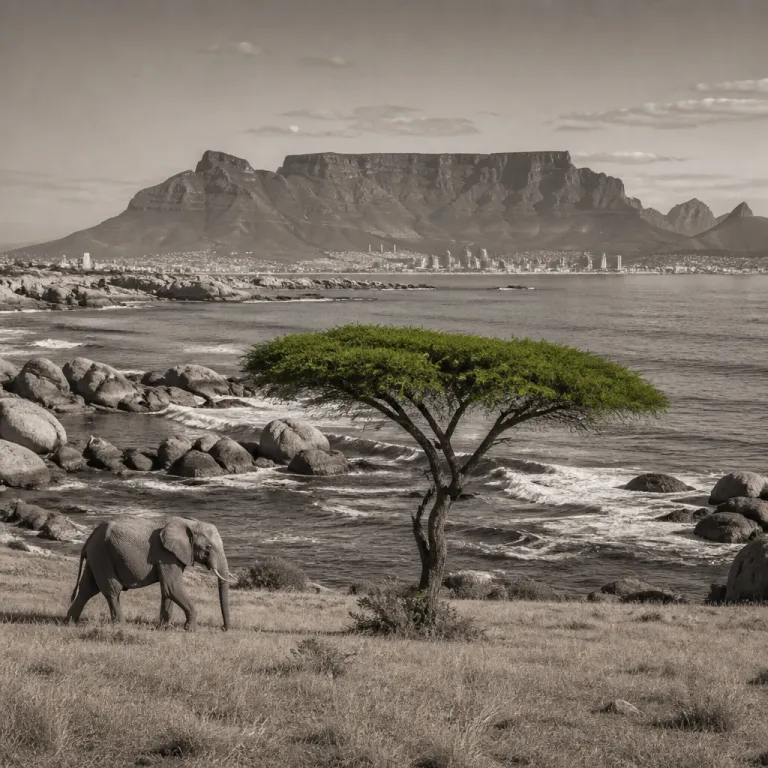
Cape Town deserves at least three full days in any thoughtful South Africa travel itinerary, because the city combines natural drama with layered history. Dedicate one day to Table Mountain and the V&A Waterfront, then another day south along the Cape Peninsula to explore beaches, fishing villages and the famous Cape of Good Hope. A third day can focus on Robben Island, Bo-Kaap and a relaxed evening in a wine bar that showcases South African varietals from Stellenbosch and Franschhoek.
The drive around the Cape Peninsula is one of the most scenic coastal routes in Africa, with Chapman’s Peak offering sheer drops into the Atlantic and viewpoints that make every stop feel worthwhile. Plan your route so that you reach Cape Point early in the day, before the main tour buses, and then continue to Boulders Beach to visit the penguin colony on your way back to the city. This loop forms a perfect day south of Cape Town, and it fits elegantly into a longer Africa itinerary that will later continue along the Garden Route or toward a game reserve.
Wine lovers should reserve at least one full day for the Cape Winelands, which sit less than 70 kilometres from the city and are easy to include in a short road trip. Many travelers choose a guided tour from Cape Town so they can taste wine without worrying about the drive back, while others prefer to overnight on an estate and enjoy slow mornings among the vines. If you plan to connect from Cape Town to a Kruger National safari later, consider an early evening flight to Johannesburg after your Winelands stay (around two hours in the air), and use a specialist resource on planning an elegant three day Kruger safari from Johannesburg for precise timing and transfer options.
Garden Route and the southern coastline
The Garden Route is a coastal corridor stretching roughly between Mossel Bay and Port Elizabeth, and it is a highlight of many South Africa travel itinerary plans. Over three to five days, you can drive this route at a relaxed pace, stopping in towns such as Knysna and Plettenberg Bay for lagoon views, forest walks and ocean-facing lodges. This section of southern Africa offers a softer, greener landscape than the bush, which creates a pleasing contrast with the drier national park environments later in your trip.
When you drive the Garden Route, keep daily distances modest so that each day feels like a holiday rather than a transfer. A typical pattern might be one night in Mossel Bay, two nights in Knysna and one or two nights near Tsitsikamma National Park, where suspension bridges and coastal trails provide a different kind of adventure than game drives. This structure allows time to visit local markets in each town, enjoy fresh seafood and still arrive in Port Elizabeth rested enough to continue your Africa itinerary into safari country.
From Port Elizabeth, many travelers add a safari in Addo Elephant National Park or a nearby private game reserve, which fits neatly into a broader South Africa travel itinerary that also includes Kruger Park later. If you are considering extending your Africa journey beyond South Africa itself, this coastal phase is also a logical point to add a side trip to Victoria Falls via a regional flight. For travelers who are passionate about primate encounters, comparing gorilla trekking in Rwanda or Uganda using a detailed guide to permit costs can help you decide whether to add central Africa to the same long trip south or to reserve that experience for another dedicated journey.
Johannesburg, Panorama Route and Kruger National Park
Johannesburg often appears as a transit point in a South Africa travel itinerary, yet the city rewards at least one full day of focused exploration. Use your time here to visit the Apartheid Museum, Constitution Hill and the revitalised inner city districts that showcase contemporary South African art and cuisine. Spending a night in this city also breaks the journey between Cape Town or Port Elizabeth and the safari regions of the north east.
From Johannesburg, many travelers drive the Panorama Route en route to Kruger National areas, turning a simple transfer into a scenic highlight of their Africa itinerary. This route passes viewpoints such as God’s Window, Bourke’s Luck Potholes and the Blyde River Canyon, and it is best enjoyed over one or two days with an overnight stop in Graskop or Hazyview. By the time you reach the gates of Kruger National Park, you will already have experienced a cross section of South African highveld, escarpment and lowveld landscapes.
Kruger Park is the flagship national park in South Africa, and it deserves at least three days in any serious safari focused trip south. You can choose between self-drive days inside the public park, staying at rest camps, or booking a private game reserve on the western boundary that offers guided game drives in open vehicles. For travelers who want precise cost breakdowns for different styles of safari, a clear guide to what you really pay for on an African safari can help you align your budget with your expectations before finalising this part of your itinerary.
Structuring days on safari and choosing game reserves
A well designed South Africa travel itinerary treats safari days differently from city or coastal days, because wildlife viewing follows the rhythm of the animals rather than the clock. In most game reserve lodges, your day starts before sunrise with coffee, followed by a three hour game drive, brunch, rest time and then an afternoon drive that returns after dark. This pattern means that three nights on safari translate into six full game drives, which is usually enough to see a wide range of species in Africa without feeling rushed.
When choosing between Kruger National Park and private reserves, think about your preferred style of travel, your budget and how comfortable you feel with self-drive navigation. The public Kruger Park allows you to drive your own vehicle on tar and gravel roads, stop at picnic sites and design each day south of the park according to your interests, while private reserves limit vehicle numbers at sightings and often track animals off road. Both options can fit into a single Africa itinerary, with two nights self-drive inside Kruger Park followed by two nights in a private game reserve that offers a more curated experience.
Travelers who are combining South Africa with other parts of southern Africa, such as Victoria Falls or Botswana, should consider how many safari days they truly need in each destination. For many first time visitors, four to six safari days across two different ecosystems provide a satisfying balance between variety and depth. As one expert summary notes, “Spring (September-November) and autumn (March-May) offer pleasant weather.”, and aligning your safari segment with these seasons can improve both wildlife viewing and overall comfort during your trip.
Practical planning tips, timing and safety for your route
Transforming a dream South Africa travel itinerary into a confirmed booking requires attention to logistics, safety and seasonal timing. Start by checking visa requirements for your nationality, then book key elements such as internal flights between Cape Town, Port Elizabeth and Johannesburg, as well as your preferred national park lodges. Because popular game reserve properties and Table Mountain area hotels can fill months in advance, early planning protects both your dates and your budget.
Self-drive is a popular way to experience South Africa, and it fits naturally with a road trip that links Cape Town, the Garden Route and Kruger National regions. Rental cars, reliable maps and modern navigation apps make it straightforward to drive between each town on your itinerary, but you should always stay updated on safety advisories and avoid night driving where possible. The statement “Is it safe to self-drive in South Africa? Generally safe, but stay informed about local conditions.” remains accurate, and it reflects the experience of many travelers who follow main highways and respect local guidance.
Finally, remember that a refined Africa itinerary leaves room for rest, reflection and unplanned encounters, rather than filling every day with back to back activities. Build at least one unscheduled day south of each major segment, whether that is an extra night in Cape Town, a pause along the Garden Route or a quiet afternoon in a Johannesburg café between flights. By pacing your trip south with intention, you will have the energy to fully appreciate each national park, every coastal view from Cape Point to the Cape of Good Hope and the layered cultures that make South African travel so rewarding.
Key figures for planning a south africa travel itinerary
- South Africa welcomed around 10 000 000 international tourists in 2019 according to the South African Tourism Board, which means popular areas such as Cape Town, the Garden Route and Kruger National Park can book out during peak seasons.
- There are 21 officially designated national parks managed by South African National Parks as of 2024, giving travelers a wide choice of ecosystems to include in an Africa itinerary beyond the well known Kruger Park.
- A classic Cape Town to Port Elizabeth Garden Route drive covers roughly 750 kilometres, which most travelers spread over three to five days to keep daily driving times comfortable.
- Typical first time South Africa travel itinerary plans run for 7 to 14 days, which allows at least three days in Cape Town, three to four days on the Garden Route and three or more days on safari in a game reserve.
FAQ about planning a south africa travel itinerary
What is the best time to visit south africa for safari and coast ?
The most comfortable periods for a combined city, coast and safari trip are spring from September to November and autumn from March to May. During these months, temperatures in Cape Town are mild, the Garden Route is lush and visibility in national park areas such as Kruger Park is generally good. School holiday peaks can still be busy, so booking early remains essential.
How many days do I need for a balanced south africa travel itinerary ?
A well paced Africa itinerary should allocate at least ten to twelve days, with three days in Cape Town, three to four days along the Garden Route and three to four days on safari in a game reserve. Travelers with more time can add extra nights in Johannesburg, an additional national park or a regional extension to Victoria Falls. Shorter trips are possible, but they require more flights and less overland drive time.
Is it safe to self drive between major cities and parks in south africa ?
Self drive between Cape Town, Port Elizabeth, Johannesburg and Kruger National areas is generally safe for cautious travelers who stick to main highways and avoid driving after dark. Rental vehicles are modern, fuel stations are frequent on primary routes and mobile coverage is good near most town centres. Always check current safety advisories, lock valuables out of sight and ask local hosts about any areas to avoid.
Do I need vaccinations before traveling to south africa for safari ?
Health requirements vary by country of origin and by the specific regions of South Africa you plan to visit, especially if you will be in malaria risk zones near certain national park areas. The guidance “Do I need vaccinations before traveling to South Africa? Yes, consult your doctor for recommended vaccinations.” remains the most reliable starting point. Schedule a travel clinic appointment at least six weeks before departure to discuss vaccines, malaria prophylaxis and any personal medical considerations.
Should I book a guided tour or travel independently on my first trip south ?
Both approaches work well in South Africa, and the choice depends on your confidence, budget and time. Independent travelers often enjoy the flexibility of a self drive road trip that links Cape Town, the Garden Route and Kruger National Park, while guided tours simplify logistics and can add expert interpretation on history and wildlife. Many visitors choose a hybrid model, arranging private transfers or small group tours for complex segments such as safari, while exploring each city at their own pace.
References and further reading
- South African Tourism Board – official visitor statistics and seasonal insights (latest consolidated pre-pandemic data 2019).
- South African National Parks (SANParks) – detailed information on all 21 national parks (accessed 2024).
- World Health Organization – up to date travel health and vaccination recommendations for southern Africa (consulted 2024).