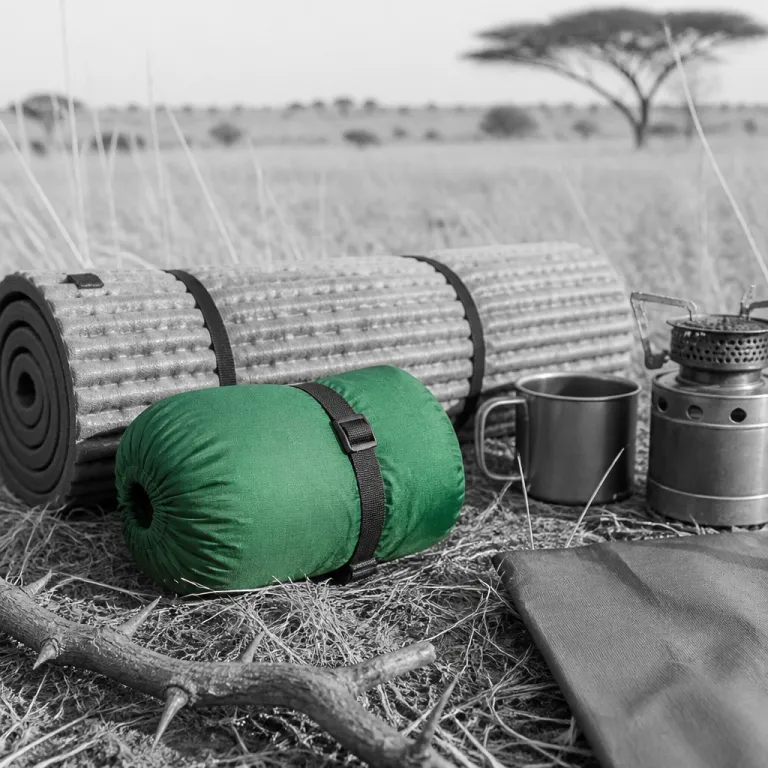
What fly camping really means on an African safari
Fly camping is minimalist camping that uses only a simple fly sheet or tarp as your shelter. In practice, this style of camping strips your safari camp down to the essentials so you can sleep close to the wild without the infrastructure of a permanent lodge or main camp. For many seasoned travellers, this lightweight camping experience becomes the most vivid memory of an entire trip through Africa.
On a classic walking safari in Tanzania or Zambia, your guides will lead you away from the main camp during the day and establish a temporary fly camp in a remote bush location for the night. The fly itself is usually a lightweight tarp stretched over poles or trees, with a mosquito net and groundsheet beneath to keep you protected while still feeling exposed to the night sky. This kind of camping fly arrangement allows you to experience Africa with minimal barriers, hearing every rustle in the bush and every call in the dark.
Professionally run safaris treat fly camping as an outdoor activity with clear methods and tools rather than as rough improvisation. Operators use durable flies, ropes and stakes, and they record the exact coordinates of each camp location so that the team knows precisely where every temporary fly camp has been set.2 One expert description captures the essence perfectly: “What is fly camping? Minimalist camping using a simple shelter or fly.”
Because the camp is temporary, the location can change each day to follow wildlife movements or to reach a new stretch of river or a different national park. You might spend one camping night in the open woodland of South Luangwa and the next camping night on a sandy riverbank, with only the fly sheet and mosquito net between you and the stars. This mobility is the heart of the camping experience and explains why fly camping safaris appeal so strongly to travellers who value freedom and simplicity.
Core packing principles for a safe fly camping night
Packing for fly camping on safari demands discipline because every extra kilogram matters on bush flights and walking safaris. Your goal is to keep luggage compact enough for small aircraft yet complete enough to handle a cold night, a hot day and sudden rain in the wild. When you plan your travel wardrobe and gear, think in layers and focus on durable materials that dry quickly.
Start with a soft duffel of around 70 litres, which fits easily into light aircraft holds at most regional airport hubs in Africa.1 Inside, pack neutral coloured clothing for both day and night, including a warm fleece, a light down jacket and a breathable base layer for each camping night in the bush. Add a wide brimmed hat, polarised sunglasses and a lightweight scarf, because a walking safari or a long day in an open vehicle can be harsh on exposed skin.
Footwear is critical for any walking safari that includes a fly camp or multiple fly camps over several days. Choose one pair of broken in, closed shoes suitable for bush terrain and one pair of sandals for the camp, and remember that socks matter as much as boots when you are on a long walking safari in Tanzania or South Luangwa. For a detailed safari packing framework that complements this minimalist approach, review this essential safari packing list for beginners before you finalise your kit.
To support the camping experience itself, include a compact headlamp with a red light mode, a small dry bag for electronics and a personal water bottle of at least 1 litre. Many safaris provide bedding at the fly camp, but if weight allows, a thin silk sleeping bag liner adds warmth and comfort on a cool camping night. Keep toiletries minimal and fragrance free, because strong scents can attract insects and feel out of place in a wild location where you want to blend into the bush.
Quick fly camping packing checklist
- Soft duffel (≈70 L) + small daypack
- 2–3 breathable base layers, 1 warm fleece, 1 light down jacket
- 1 pair closed walking shoes, 1 pair sandals, 3–4 pairs hiking socks
- Wide brimmed hat, polarised sunglasses, lightweight scarf or buff
- Headlamp with red mode, spare batteries, 1 L refillable water bottle
- Compact medical kit, fragrance free toiletries, thin sleeping bag liner
Essential gear for comfort and safety in a fly camp
Beyond clothing, the right gear transforms fly camping from a basic camp into a refined yet simple experience. Because the shelter is only a fly sheet, your mosquito net becomes a primary barrier against insects and should be checked carefully each day for small tears. Many operators in Africa supply a net and mattress at the fly camp, but experienced travellers often bring a compact repair kit and a few extra cords to adjust the netting if needed.
Lighting shapes the mood of any camping night, especially when the camp fly is set far from the main camp and there is no artificial glow on the horizon. A reliable headlamp, a small lantern and spare batteries will help you move safely around the camp while still preserving the magic of the open fire that usually forms the centre of the fly camp. Keep lights dim and directed downward so that you can enjoy the night sky and listen to the wild sounds around you without harsh glare.
For personal safety and comfort on walking safaris that include fly camping, pack a basic medical kit tailored to your own needs. Include blister plasters, any prescription medication, rehydration salts and a small supply of pain relief tablets, because you may be far from a clinic when you are deep in a national park.2 To refine your selection of technical items such as binoculars, camera support and footwear, consult a trusted guide to essential gear for your safari adventure and then adapt it to the lighter demands of a fly camp.
Technology should remain discreet so that the camping experience stays focused on the bush rather than on screens. Many travellers carry a small power bank and keep phones in airplane mode, using them only as cameras or for offline notes about wildlife sightings. If your safari operator sends text messages or other digital updates about special offers or changes to the location of the next camp, download them before leaving the airport so that connectivity does not distract you once you are in the wild.
How professional guides run a mobile fly camping operation
Well run fly camping safaris rely on a skilled team of guides and support staff who understand both the bush and the logistics of mobile camps. These guides choose each fly camp location with care, balancing access to wildlife with safety, wind direction and proximity to water. They also assess the terrain so that the fly sheet, mosquito net and sleeping area can be pitched on level, well drained ground.
On a typical day, you might leave the main camp after breakfast and set out on a walking safari with one lead guide and an armed scout. While you walk, a support crew moves ahead to establish the next camp fly, erecting the fly, arranging the open fire and preparing a simple bush kitchen so that the camping night feels both wild and comfortable. When you arrive in the late afternoon, the camp is ready, with beds made under the fly and a jug of hot water waiting near a canvas washbasin.
Some of the most respected operations in Tanzania and Zambia have refined this style of camping over decades. In the Serengeti, for example, the renowned guide Alex Walker has become closely associated with intimate mobile safaris that use light camps to follow seasonal wildlife movements across remote valleys.1 In South Luangwa, several long established safaris offer walking focused itineraries where guests spend part of the trip in a permanent camp and part in a minimalist fly camp deep inside the national park.
Behind the scenes, teams maintain detailed log records of each camp move, including the exact GPS location, the number of campers and any notable wildlife activity during the night.2 These records help guides decide where the next fly camping night should be staged and whether a previous fly camp site should be rested for a season. When you travel with such an operation, you benefit from hard earned bush knowledge that keeps the experience authentic while managing risk with quiet professionalism.
Regional nuances: fly camping in Tanzania, South Luangwa and beyond
Fly camping exists in many parts of Africa, yet each region offers a distinct flavour shaped by landscape, wildlife and guiding traditions. In Tanzania, fly camping often complements classic vehicle based safaris in the Serengeti or Ruaha, giving guests one or two nights of immersion away from the main camp. These nights usually follow a walking safari along rivers or through lightly wooded bush where big game is present but not overly concentrated.
South Luangwa in Zambia is widely regarded as one of the birthplaces of the modern walking safari, and its operators have refined the art of the temporary fly camp over many seasons.2 Here, a typical trip might include several days in a permanent riverside camp followed by two or three camping nights in simple fly camps set along animal paths and dry riverbeds inside the national park. Because the area holds dense populations of lion, leopard and elephant, guides will position each camp fly with meticulous attention to wind, visibility and escape routes.
Other regions, such as northern Kenya or remote concessions in Botswana, use fly camping to reach locations that are inaccessible to vehicles during certain months. Travellers often arrive at a small bush airstrip after a short flight from a larger airport, then continue by vehicle or on foot to a lightweight camp that has been set up in advance. In these areas, the camping experience may focus on specific themes such as tracking, birding or photographic safaris, with each day structured around long walks and evenings around an open fire under a vast sky.
Wherever you go, the essence remains the same: a simple fly, a mosquito net, a safe fire and the sounds of the wild all around you. Some operators send pre trip messages with packing tips tailored to the exact camp location and season, helping you refine your gear list for that region. When you read those notes carefully and ask questions before you travel, you arrive better prepared to experience Africa in a way that feels both raw and reassuringly well managed.
Packing strategy from home to bush: managing weight, flights and admin
Thoughtful packing for fly camping starts long before you step onto a plane, because every stage from home airport to remote bush strip imposes its own constraints. International airlines usually allow heavier bags, but the small aircraft that connect you to national park airstrips often limit soft luggage to around 15 kilograms.1 To avoid last minute stress, weigh your packed duffel at home and aim to stay a few kilograms under the strictest limit.
Organise your gear into packing cubes or dry bags so that you can separate items needed in the main camp from those reserved for each fly camping night. Keep documents, medication and valuables in a small personal item that stays with you from airport to vehicle, and store heavier clothing and boots in the checked duffel. When you reach the first camp, you can then repack a smaller day bag with only what you need for the walking safari and the upcoming camping experience in the bush.
Many operators now use digital systems to manage guest information, sending pre departure messages that confirm flight times, baggage rules and any special offers or seasonal updates. Some even provide a secure online portal where you can review your itinerary, check which nights are scheduled in a fly camp and see the approximate location of each camp on a map. If the system includes a button such as “click to expand details”, open every section so that you understand exactly how many camping nights you will spend under a fly and how many nights you will spend in a more established camp.
When planning complex itineraries that combine fly camping with vehicle based safaris, it helps to structure your route carefully. For example, travellers starting in Johannesburg and heading to Kruger before continuing to Tanzania or Zambia can use a clear planning framework for a three day Kruger safari from Johannesburg and then adapt the same planning discipline to later fly camping segments. By aligning flights, luggage choices and regional seasons, you create a seamless trip that flows naturally from one wild landscape to the next.
Enhancing the sensory experience: food, fire and quiet connection
What sets fly camping apart is not only the minimalist shelter but also the intensity of the sensory experience. With no solid walls, you feel every shift in the night air and hear every distant call, from hyena whooping in the dark to owls hunting silently above the camp. This closeness to the wild can feel both exhilarating and calming when managed by experienced guides.
Meals at a fly camp are usually simple yet satisfying, often cooked over an open fire that becomes the social centre of the camp. You might share stories of the day’s walking safari while bread bakes in a cast iron pot and coffee simmers gently beside the flames. Because supplies must be carried in and out, menus are compact, but the freshness of the air and the glow of the fire make even basic dishes feel special.
Many travellers find that the absence of generators, Wi Fi and bright lights encourages a deeper connection with the landscape and with their own thoughts. After dinner, you may sit quietly by the fire, watching sparks rise into the dark while your guides point out constellations and listen for subtle changes in the night sounds. When you finally retire to your bed under the fly and mosquito net, the camping night feels like a private theatre where the bush itself provides the soundtrack.
Some operators frame these experiences within limited time special offers, encouraging guests who have already joined vehicle based safaris to add one or two nights of fly camping to their next trip. Whether you travel in October or another month, a short fly camping segment can transform your understanding of what a safari camp can be. By packing thoughtfully and trusting skilled guides, you allow a simple fly sheet and a small camp to open a much larger window onto the heart of Africa.
Key figures and practical statistics for fly camping safaris
- Most light aircraft serving remote African airstrips restrict soft luggage to between 12 and 20 kilograms per person, which makes minimalist packing essential for any fly camping itinerary that includes multiple bush flights.1
- Walking safaris that incorporate fly camps typically cover between 6 and 12 kilometres per day, a distance that allows for frequent wildlife stops while still reaching a new camp location before sunset.2
- In major safari regions such as Tanzania and Zambia, the dry season often offers more than 250 rain free days, providing reliable conditions for camping nights under a simple fly or tarp.1,3
- Lightweight synthetic sleeping bags and down jackets can compress to less than 10 litres of pack volume, freeing space for essential items such as medical kits, headlamps and camera gear in a standard 70 litre duffel.4
- Many professional safari operators maintain guide to guest ratios of 1 to 4 or 1 to 6 on walking safaris with fly camping, which supports both safety and a high quality interpretive experience in the bush.2,5
FAQ about fly camping on safari
What is fly camping on safari ?
Fly camping on safari is a minimalist form of camping where guests sleep under a simple fly sheet or tarp rather than in a permanent structure. The camp is temporary and usually set up for one or two nights in a remote bush location inside or near a national park. This approach allows travellers to experience Africa at close range while still benefiting from professional guiding and basic safety measures.
Is fly camping suitable for all seasons ?
Fly camping can be suitable in any season when the trip is planned with appropriate preparation for temperature and rainfall. In many African regions, the dry season offers the most comfortable conditions, with cool nights and minimal risk of storms affecting the camp. During wetter months, operators may adjust locations, add extra ground protection or reduce the number of camping nights to maintain safety and comfort.
What equipment is essential for a fly camping experience ?
The core equipment for fly camping includes a fly or tarp, ropes, stakes, a mosquito net, a sleeping mat or stretcher and a reliable headlamp. Professional operators usually provide the shelter, bedding and open fire cooking setup, while guests bring personal clothing, toiletries and any specialised gear such as cameras or binoculars. Packing light but durable items helps you move easily between camps and enjoy each camping night without unnecessary clutter.
How safe is fly camping in areas with big wildlife ?
When run by experienced guides who understand animal behaviour and local conditions, fly camping in big game areas can be managed safely. Camps are positioned with care, night watch systems are often used and guests receive clear briefings about movement after dark and how to respond to wildlife near the camp. Choosing reputable operators with strong safety records and well trained guides is the most important step in ensuring a secure camping experience.
How many nights of fly camping should I include in my safari ?
For most travellers, one to three nights of fly camping provide a powerful sense of immersion without overwhelming those who are new to sleeping in the wild. Many itineraries combine these nights with time in a more established camp so that guests can enjoy both comfort and adventure in a single trip. Discuss your fitness level, comfort with walking safaris and appetite for remote locations with your operator to decide the ideal number of camping nights for you.
References
- UN World Tourism Organization – data on global and African nature based tourism trends.1,3
- African Parks – management reports on visitor access, safety and conservation in national parks.2,5
- Leave No Trace Center for Outdoor Ethics – guidelines for low impact camping practices worldwide.4