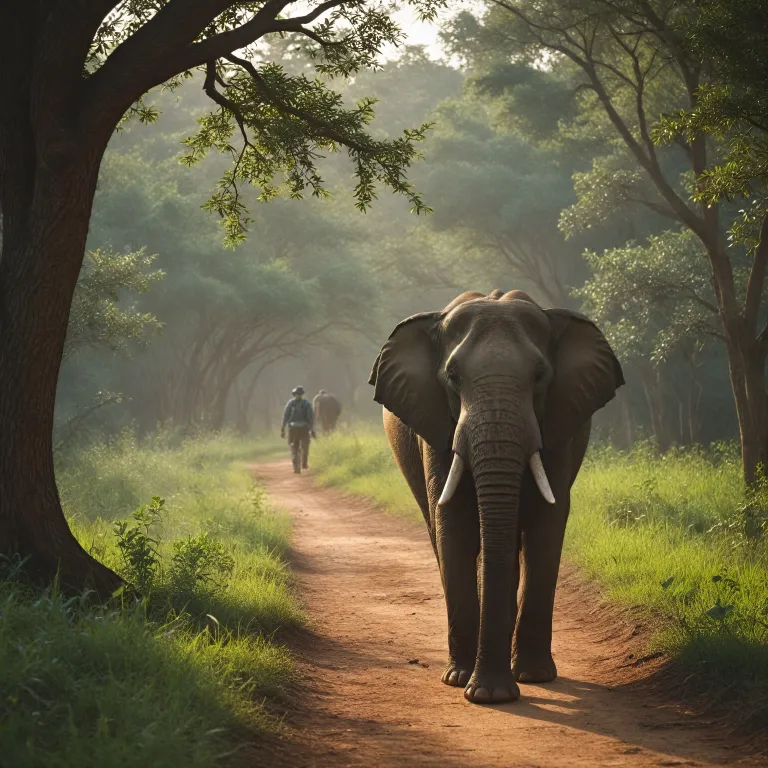
Elephant safari charges and booking process in Kanha National Park
Exploring Kanha National Park by elephant safari offers a rare perspective on the region’s wildlife and landscape. The charges for an elephant safari in Kanha depend on several factors, including the zone, duration, and the number of persons in your group. Typically, safari charges are quoted per person and are payable in INR. Advance safari booking is strongly recommended, especially during peak tourist seasons, as availability is limited and demand is high. The park administration has streamlined the safari booking process through official online platforms and authorized travel agents, ensuring transparency in charges and permit allocation.
When planning your Kanha tour, consider that elephant safaris are available only in select zones such as Mukki and Sarhi. The park authorities regulate the number of safaris each day to minimize environmental impact and enhance the wildlife experience. Charges for an elephant safari ride often include the cost of the permit, guide, and the elephant ride itself. For those seeking comprehensive tour packages, many local operators offer special offers that bundle safari rides, jeep safaris, and resort stays in Kanha. Always verify the inclusions and exclusions in your chosen package to avoid unexpected costs during your visit to Kanha.
For more details on the booking process and current safari charges, refer to the official Kanha National Park booking portal. This resource provides up-to-date information on permit availability, safari kanha timings, and zone allocations, ensuring a seamless experience for all tourists.
What to expect during an elephant safari ride in Kanha
An elephant safari in Kanha National Park offers an immersive wildlife experience unlike any other. As you traverse the park’s dense forests and open meadows atop a gentle giant, you gain a unique vantage point to observe the park’s famed tigers, herds of deer, and diverse birdlife. The slow, silent movement of the elephant allows for close encounters with wildlife, making it ideal for photography and nature observation. Each safari ride is led by an experienced mahout and a trained naturalist, ensuring safety and insightful commentary on the park’s flora and fauna.
Elephant safaris are typically conducted in the early morning hours, when wildlife activity is at its peak. The ride duration varies but generally lasts between one to two hours, depending on the zone and the specific tour package selected. The park’s management emphasizes eco-friendly practices, so tourists are encouraged to wear neutral-colored clothing and minimize noise to avoid disturbing the animals. The experience is suitable for all age groups, though it’s advisable to check the latest guidelines regarding age restrictions and health requirements for the safari ride.
For those interested in combining their elephant safari with a jeep safari or a full day tour, many resort kanha properties offer tailored packages. These packages often include guided walks, birdwatching sessions, and exclusive access to less-frequented zones within the park. To enhance your Kanha safari experience, consider booking a stay at a reputable resort in Kanha that partners with local tour operators for seamless safari booking and personalized service.
Understanding safari permits, zones, and regulations in Kanha National Park
Securing a permit is a mandatory step for all tourists wishing to participate in an elephant safari or jeep safari in Kanha National Park. The park is divided into several zones, each offering distinct wildlife viewing opportunities. Mukki, Sarhi, and Kanha zones are particularly popular for elephant safaris, with limited permits issued daily to control tourist flow and protect the ecosystem. Safari booking for these zones can be completed online or at designated entry gates, but advance booking is highly recommended due to high demand.
The Madhya Pradesh Forest Department oversees all regulations related to wildlife safaris, including charges, timings, and permissible activities within each zone. Tourists are required to carry valid identification and their permit at all times during the safari ride. Strict adherence to park guidelines is enforced to ensure the safety of both visitors and wildlife. This includes maintaining a safe distance from animals, refraining from feeding wildlife, and following the instructions of park guides and mahouts at all times.
For those planning a full day tour or multiple safaris, it’s important to understand the differences between zones and the specific wildlife each area is known for. Some zones are renowned for frequent tiger sightings, while others offer a greater diversity of birdlife or unique landscapes. To maximize your wildlife experience, consult with local tour operators or refer to the comprehensive Kanha safari guide for detailed information on zone characteristics and permit availability.
Comparing elephant safari with jeep safari and other wildlife experiences
While the elephant safari in Kanha National Park is a highlight for many tourists, jeep safaris remain a popular alternative for those seeking flexibility and broader coverage of the park. Jeep safaris allow access to a wider range of zones and are ideal for small groups or families. The charges for jeep safaris are typically calculated per vehicle, with additional fees for guides and permits. Both safari experiences offer unique advantages: elephant safaris provide a tranquil, up-close encounter with wildlife, while jeep safaris cover greater distances and increase the chances of spotting elusive species such as the tiger.
Tour packages often combine both safari types, allowing visitors to enjoy the best of both worlds. Special offers may include early morning jeep safaris followed by an elephant ride, or vice versa, depending on availability and zone allocations. For those interested in a comprehensive Kanha tour, consider packages that include guided nature walks, birdwatching excursions, and cultural experiences with local communities. These multi-faceted tours provide deeper insight into the park’s ecosystem and conservation efforts.
When comparing safari charges, factor in the duration, inclusions, and the level of personalization offered by each experience. Many resort kanha properties collaborate with local operators to provide exclusive access to certain zones or wildlife hotspots.
Planning your Kanha tour: Packages, special offers, and practical tips
Organizing a Kanha tour requires careful consideration of safari booking, accommodation, and transportation. Many tour operators offer packages that bundle elephant safaris, jeep safaris, and stays at eco-friendly resorts in Kanha. These packages often include meals, guided tours, and transfers from nearby cities such as Jabalpur, making them convenient for both domestic and international tourists. Special offers are frequently available during the shoulder seasons, providing added value for early bookings or group tours.
When selecting a tour package, review the inclusions carefully to ensure all desired activities, such as a full day safari ride or exclusive access to specific zones, are covered. Some packages may offer additional experiences like night safaris, wildlife photography workshops, or cultural interactions with local communities. To enhance your visit to Kanha, consider packages that support conservation initiatives or community development projects, aligning your travel with sustainable tourism principles.
Practical tips for tourists include booking safaris well in advance, carrying valid identification, and adhering to park guidelines at all times. As stated by the park authorities, "Book safaris well in advance, especially during peak tourist seasons. Carry valid identification for verification at entry points. Wear neutral-colored clothing to blend with the environment. Follow all park guidelines and respect wildlife habitats." These measures ensure a safe and enjoyable experience for all visitors while supporting the park’s conservation goals.
Wildlife highlights and conservation efforts in Kanha National Park
Kanha National Park is celebrated for its rich biodiversity and commitment to wildlife conservation. Home to approximately 100 tigers, the park is a prime destination for wildlife enthusiasts and photographers. Elephant safaris play a vital role in promoting eco-tourism and raising awareness about the importance of preserving natural habitats. The park administration collaborates with local communities and eco-resorts to implement sustainable tourism practices, ensuring minimal impact on the environment.
Tourists participating in elephant safaris contribute directly to conservation efforts, as a portion of the safari charges is allocated to park maintenance and community development. The park’s management also organizes educational programs and guided tours to foster a deeper understanding of the region’s flora and fauna. For those interested in supporting conservation, consider tour packages that include volunteer opportunities or donations to local wildlife initiatives.
Wildlife sightings during an elephant safari may include not only tigers but also leopards, sloth bears, barasingha, and a variety of bird species. The park’s diverse landscapes, ranging from dense sal forests to open meadows, provide ideal habitats for a wide array of species. By choosing responsible tour operators and adhering to park guidelines, tourists play a crucial role in safeguarding Kanha’s natural heritage for future generations.
Travel logistics: Getting to Kanha, best times to visit, and essential information
Reaching Kanha National Park is straightforward, with the nearest major city being Jabalpur, located approximately 160 kilometers away. Regular transfers are available from Jabalpur to Kanha, making it accessible for both domestic and international tourists. The best time to visit Kanha for an elephant safari is between October and June, as the park is closed during the monsoon season from July to September. During this period, wildlife sightings are frequent, and the weather is conducive to outdoor activities.
Advance safari booking is essential, particularly during peak months when demand for elephant safaris and jeep safaris is at its highest. Tourists are advised to check the latest guidelines regarding age restrictions, health requirements, and permit validity before finalizing their travel plans. For those seeking a comprehensive Kanha tour, consider combining your safari ride with cultural excursions or wellness retreats offered by select resort kanha properties.
To ensure a smooth and enjoyable experience, consult the official park website or authorized travel agents for up-to-date information on safari charges, permit availability, and special offers. By planning ahead and choosing responsible tour operators, you can make the most of your visit to Kanha National Park and contribute to the ongoing preservation of its unique wildlife and ecosystems.
Key statistics about elephant safaris and wildlife tourism in Kanha National Park
- Number of tigers in Kanha National Park: 100 tigers
- Annual visitors to Kanha National Park: 150,000 visitors
Frequently asked questions about elephant safari in Kanha National Park
How can I book an elephant safari in Kanha National Park?
Elephant safaris can be booked in advance through the park's official website or at the entry gates, subject to availability.
What is the best time to visit Kanha National Park for safaris?
The ideal time is between October and June, as the park is closed during the monsoon season from July to September.
Are there any age restrictions for participating in an elephant safari?
Children below five years of age are often allowed free of charge, but it's advisable to check the latest guidelines from the park authorities.