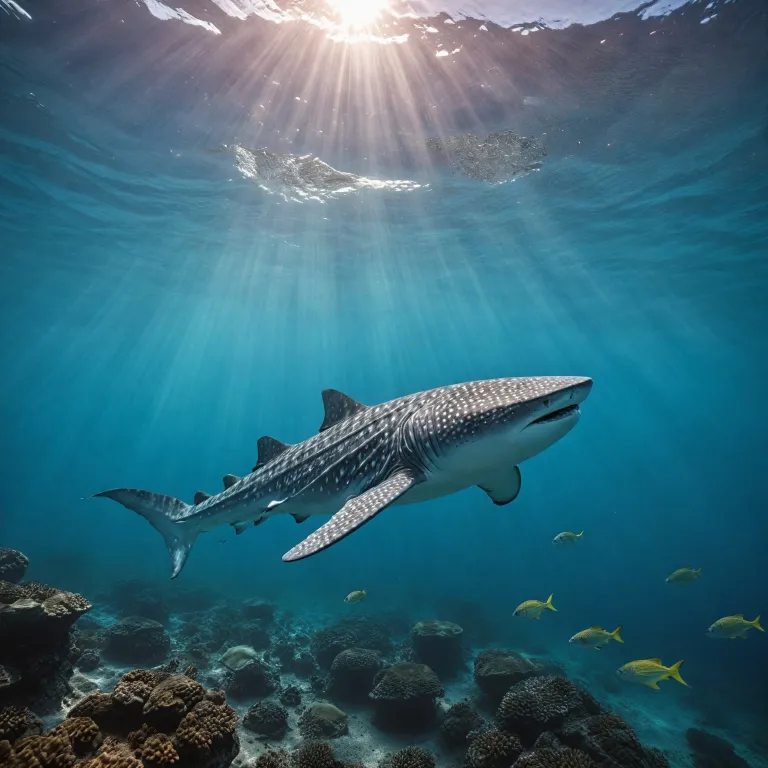
Understanding the allure of snorkeling with whale sharks in pristine waters
Snorkeling with whale sharks offers a rare opportunity to swim alongside the largest fish in the sea. These gentle giants, known for their distinctive spotted patterns and calm demeanor, attract adventurers seeking an authentic wildlife experience. The sensation of entering the water with whale sharks is both exhilarating and humbling, as their immense size—often reaching up to 12 meters—contrasts with their peaceful nature.
Many travelers choose destinations such as Isla Mujeres, Saleh Bay, or Oslob Philippines to maximize their chances of swimming with whale sharks. Each location offers unique conditions, but all share the promise of close encounters with these remarkable creatures. The best time for a shark tour varies by region, with Mexico’s Isla Mujeres and Isla Holbox offering peak sightings from June to September, while triton bay and cenderawasih bay in Indonesia provide alternative options for those seeking a more remote experience.
Tour operators play a crucial role in ensuring that snorkeling with whale sharks remains safe and ethical. They provide essential guidance, equipment, and knowledge, helping participants to snorkel with confidence and respect for marine life. Choosing a reputable operator is vital for a responsible shark snorkeling adventure, as ethical practices help protect both the animals and their habitats.
Swimming with whale sharks is more than just a wildlife encounter; it is a transformative experience that fosters a deeper appreciation for marine conservation. The thrill of sharing the water with these gentle giants lingers long after the tour ends, inspiring many to support ongoing efforts to protect whale sharks worldwide.
Planning your whale shark adventure: best places and times to swim with gentle giants
When considering a snorkeling with whale sharks experience, timing and location are key. The best tours often coincide with the annual shark season, when whale sharks gather in large numbers to feed on plankton blooms. Isla Mujeres, located off the coast of Mexico, is renowned for its vibrant marine life and crystal-clear water, making it a top choice for those wishing to swim with whale sharks.
Other notable destinations include Saleh Bay in Indonesia, where the calm water and abundant food sources attract whale sharks during specific months. Oslob Philippines has gained popularity for its reliable sightings, though travelers are encouraged to select operators that adhere to ethical guidelines. Triton bay and cenderawasih bay also offer exceptional opportunities for snorkeling with whale sharks, particularly for those seeking less crowded experiences.
Before booking a shark tour, it is essential to research the best time for sightings in your chosen destination. Many tour operators provide detailed information about the shark season and the likelihood of encountering whale sharks. For those interested in combining their adventure with other marine activities, Isla Mujeres and its surrounding waters offer excellent opportunities to dive with a variety of species.
For more guidance on selecting the ideal destination and timing for your whale shark tour, explore our comprehensive guide to wildlife adventures. This resource offers insights into the best places to swim with whale sharks and tips for making the most of your experience.
What to expect on a whale shark snorkeling tour: preparation and safety
Participating in a snorkeling with whale sharks tour requires careful preparation to ensure both safety and enjoyment. Tour operators typically provide all necessary snorkeling gear, including masks, snorkels, and fins, as well as safety equipment such as life vests and first aid kits. Before entering the water with whale sharks, guides offer briefings on proper behavior and ethical interaction.
Swimming with whale sharks is suitable for individuals with basic snorkeling skills, though some experience in open water is recommended. The excitement of sharing the water with these gentle giants is balanced by the need to maintain a respectful distance and avoid touching the animals. As one expert notes, "No, whale sharks are filter feeders and pose no threat to humans." This reassurance allows participants to focus on the awe-inspiring experience of swimming with the world’s largest fish.
During the tour, guides use spotter boats or planes to locate whale sharks, maximizing the chances of a successful encounter. Once a whale shark is sighted, participants enter the water in small groups to minimize disturbance. The experience of snorkeling with whale sharks is often described as serene, with the slow, graceful movements of the sharks creating a sense of calm and wonder.
For those seeking additional tips on preparing for a shark snorkeling adventure, our expert advice on marine wildlife tours covers everything from equipment recommendations to ethical considerations. Proper preparation ensures that your time in the water with whale sharks is both safe and unforgettable.
Ethical considerations and conservation efforts in whale shark tourism
Responsible tourism is essential for the long-term protection of whale sharks and their habitats. Tour operators and participants share a duty to ensure that snorkeling with whale sharks does not harm these gentle giants or disrupt their natural behaviors. Ethical guidelines, such as maintaining a safe distance and refraining from feeding the animals, are strictly enforced by reputable operators.
Marine conservation organizations play a pivotal role in educating both tourists and local communities about the importance of protecting whale sharks. Many tours include briefings on whale shark biology and conservation, fostering a sense of stewardship among participants. As one guideline emphasizes, "Choose tour operators that follow established guidelines, such as maintaining a safe distance and not feeding the animals."
Innovative initiatives, such as the use of citizen science platforms like Sharkbook, allow snorkelers to contribute to ongoing research by submitting photographs and sighting data. This collaborative approach enhances our understanding of whale shark populations and supports conservation efforts worldwide. Local economies also benefit from sustainable tourism, as responsible shark tours generate income while preserving natural resources.
For travelers interested in supporting ethical whale shark tourism, it is advisable to book tours with operators who partner with marine conservation organizations. These collaborations ensure that every swim with whale sharks contributes to their protection and the well-being of local communities.
Comparing global hotspots: Isla Mujeres, Saleh Bay, and beyond
Each destination for snorkeling with whale sharks offers distinct advantages, from the vibrant waters of Isla Mujeres to the tranquil bays of Indonesia. Isla Mujeres is celebrated for its accessibility and the abundance of whale sharks during peak season, making it a favorite among both novice and experienced snorkelers. The clear water and proximity to marine life enhance the overall experience, allowing for extended time swimming with whale sharks.
Saleh Bay and cenderawasih bay in Indonesia provide a more secluded setting, attracting those who prefer smaller groups and less crowded tours. These locations are ideal for travelers seeking a deeper connection with nature and the opportunity to observe whale sharks in pristine environments. Oslob Philippines, while popular, requires careful selection of operators to ensure ethical practices are followed during shark tours.
Triton bay stands out for its biodiversity, offering the chance to snorkel with whale sharks alongside other marine species. The region’s commitment to conservation and sustainable tourism makes it a model for responsible travel. Whether you choose to swim with whale sharks in Mexico, Indonesia, or the Philippines, each location promises a unique and memorable experience.
When planning your next shark snorkeling adventure, consider the specific features of each destination, including water conditions, tour availability, and conservation efforts. The best places to swim with whale sharks are those that prioritize both the well-being of the animals and the quality of the visitor experience.
Maximizing your experience: tips for unforgettable whale shark encounters
To make the most of your snorkeling with whale sharks adventure, preparation and mindfulness are key. Begin by selecting a reputable tour operator with a proven track record in ethical wildlife encounters. Research the best time and places to swim with whale sharks, taking into account local shark season and water conditions.
Practice your snorkeling skills in advance, ensuring you are comfortable in open water with your gear. During the tour, listen carefully to your guide’s instructions and respect the boundaries set for swimming with whale sharks. Remember, "Basic snorkeling skills are recommended, and some tour operators may require prior experience." This ensures both your safety and the well-being of the gentle giants you encounter.
Bring a waterproof camera to capture the magic of swimming with whale sharks, but avoid using flash or making sudden movements that could startle the animals. Take time to observe their behavior and appreciate the unique patterns on each shark’s skin. The experience of snorkeling with whale sharks is as much about connection as it is about adventure.
After your tour, consider supporting marine conservation organizations or participating in citizen science initiatives. Sharing your experience and knowledge with others helps raise awareness about the importance of protecting whale sharks and their habitats for future generations.
Future trends in whale shark tourism: technology, sustainability, and community impact
The landscape of snorkeling with whale sharks is evolving, with new technologies and sustainable practices shaping the future of marine tourism. The use of tracking devices and citizen science platforms allows researchers and travelers to monitor whale shark populations more effectively. These innovations contribute to a deeper understanding of migration patterns and help inform conservation strategies.
Tour operators are increasingly adopting eco-friendly practices, from reducing plastic waste on boats to supporting local conservation projects. Community involvement is also on the rise, with local residents participating in shark tours as guides, educators, and conservation advocates. This collaborative approach ensures that the benefits of whale shark tourism are shared equitably and sustainably.
As interest in swimming with whale sharks continues to grow, the importance of responsible travel cannot be overstated. By choosing ethical operators, respecting wildlife, and supporting conservation efforts, travelers play a vital role in safeguarding these gentle giants for generations to come. The future of snorkeling with whale sharks lies in the balance between adventure, education, and stewardship of our oceans.
Key statistics on whale sharks and snorkeling tours
- Average length of whale sharks: 12 meters
- Estimated global population of whale sharks: 7,000 individuals
- Average lifespan of whale sharks: 70 years
Frequently asked questions about snorkeling with whale sharks
Are whale sharks dangerous to humans?
No, whale sharks are filter feeders and pose no threat to humans.
Do I need prior snorkeling experience to swim with whale sharks?
Basic snorkeling skills are recommended, and some tour operators may require prior experience.
How can I ensure my whale shark encounter is ethical?
Choose tour operators that follow established guidelines, such as maintaining a safe distance and not feeding the animals.
For further reading, consult the Marine Megafauna Foundation, IUCN Red List, and the Marine Conservation Society.