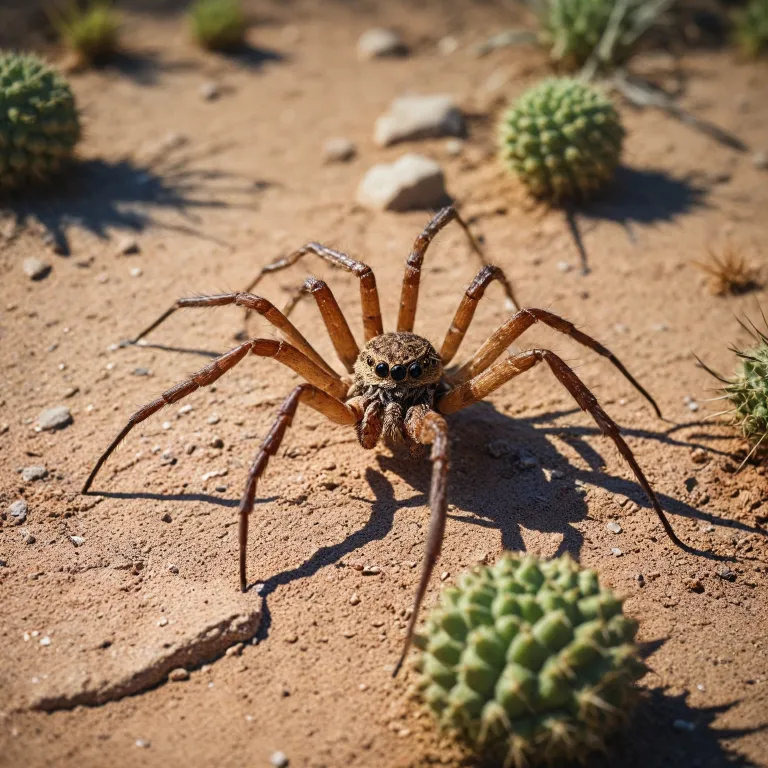
Sun spiders of Arizona: unique arachnids of the Sonoran Desert
In the arid landscapes of Arizona, the sun spider stands out as a remarkable member of the order solifugae. These arachnids, often called camel spiders, wind scorpions, or solifuges, are neither true spiders nor scorpions, yet they share characteristics with both. Sun spiders thrive in the harsh Sonoran Desert, using their powerful jaws and impressive leg span to navigate the sandy terrain. Their eight pairs of legs, along with a distinct pair of pedipalps, allow them to move with agility and speed, reaching up to 16 kilometers per hour. The desert environment of Arizona provides a challenging backdrop, but sun spiders have evolved specialized behaviors, such as burrowing and nocturnal activity, to avoid the intense sun and predators. Their chelicerae, or jaw-like appendages, are among the most powerful in the arachnida class, enabling them to crush prey with ease. These adaptations highlight the resilience and ingenuity of sun spiders as they maintain their role in the desert ecosystem.
Despite their intimidating appearance, sun spiders are non-venomous and pose little threat to humans. Their presence in Arizona is often misunderstood, with many confusing them for dangerous spiders or scorpions. However, their primary function is pest control, as they feed on a variety of insects and small animals. The diversity of sun spider species in Arizona is notable, with approximately 50 species identified in the American Southwest. Each species exhibits unique traits, but all share the common goal of survival in one of the world’s most demanding habitats. Their ability to adapt to the desert’s extremes makes them a subject of fascination for safari and wildlife enthusiasts exploring Arizona’s wild spaces.
Physical characteristics and adaptations of sun spiders in Arizona
Sun spiders, classified within the order solifugae, display a suite of physical features that set them apart from other arachnids. Their bodies are segmented, with a pronounced cephalothorax and abdomen, and they possess eight pairs of legs, though only the first pair functions as true legs. The remaining pairs legs, along with the pair of pedipalps, are used for sensory perception and prey capture. The leg span of sun spiders can reach up to 15 centimeters, giving them a formidable presence on the desert floor. Their coloration ranges from sandy beige to reddish-brown, providing effective camouflage against the arid backdrop of Arizona’s deserts.
The most striking feature of sun spiders is their chelicerae, which are large, powerful jaws capable of crushing even the toughest exoskeletons. These jaws are essential for subduing prey and are a defining characteristic of the solifugae order. Sun spiders also possess specialized hairs on their legs and pedipalps, which enhance their ability to detect vibrations and locate prey in the dark. Their rapid movement is facilitated by strong muscles and a lightweight exoskeleton, allowing them to chase down prey or escape predators with remarkable speed. For those interested in learning more about the diversity of desert arachnids, the Arizona desert wildlife guide offers detailed insights into the region’s unique species.
Adaptations such as nocturnal hunting and burrowing are crucial for survival in the extreme temperatures of the Sonoran Desert. Sun spiders avoid the heat of the day by remaining hidden in burrows or under rocks, emerging at night to hunt. This behavior not only conserves moisture but also reduces the risk of predation. Their ability to thrive in such a challenging environment underscores the evolutionary success of the solifugae order in Arizona.
Hunting strategies and prey of sun spiders in the Sonoran Desert
Sun spiders are solitary hunters, relying on a combination of speed, stealth, and powerful jaws to capture their prey. Unlike true spiders, sun spiders do not use webs to ensnare their victims. Instead, they actively pursue insects, small vertebrates, and even other arachnids across the desert floor. Their diet includes termites, beetles, ants, and occasionally small lizards or rodents. The chelicerae play a central role in hunting, allowing sun spiders to grasp and crush prey with precision.
One of the most fascinating aspects of sun spider behavior is their use of pedipalps, which are equipped with sticky ends to help catch and hold prey. These appendages, combined with their keen sense of vibration, make sun spiders highly effective predators. The order solifugae is known for its aggressive hunting tactics, and Arizona’s sun spiders are no exception. They are capable of taking down prey larger than themselves, demonstrating the strength of their jaws and the efficiency of their hunting methods. For those interested in the broader context of desert pest control, the pest management in Arizona deserts resource provides valuable information on the ecological roles of various species.
Sun spiders play a vital role in maintaining the balance of desert ecosystems by controlling insect populations. Their predatory activities help reduce the numbers of agricultural pests and other nuisance insects, making them valuable allies for both natural and human-managed environments. The presence of sun spiders in Arizona is a testament to the intricate web of interactions that sustain desert life.
Common names, misconceptions, and the role of sun spiders in pest control
The sun spider is known by many common names, including camel spider, wind scorpion, and solifuge. These names often lead to confusion, as sun spiders are neither true spiders nor scorpions, but belong to the order solifugae within the class arachnida. This confusion is compounded by their fearsome appearance and rapid movements, which can startle those unfamiliar with their habits. However, sun spiders are non-venomous and generally harmless to humans, as confirmed by the expert statement: "No, sun spiders are non-venomous and generally harmless to humans."
Despite their reputation, sun spiders are beneficial creatures, serving as natural pest control agents in Arizona’s deserts. Their diet consists primarily of insects, which they hunt with remarkable efficiency. The misconception that sun spiders are dangerous has led to unnecessary fear and, in some cases, the unwarranted use of chemical pest control methods. In reality, sun spiders contribute to the health of desert ecosystems by keeping insect populations in check. Their presence is an indicator of a balanced environment, where natural predators help regulate the abundance of potential pests.
For those seeking a free quote on pest control services or advice on managing arachnids in Arizona, it is important to recognize the positive impact of sun spiders. Their role as predators of spiders, scorpions, and other pests underscores their value in both natural and urban settings. Understanding the true nature of sun spiders can help dispel myths and promote coexistence with these fascinating arachnids.
Sun spiders and their relationship with other desert arachnids
Arizona’s deserts are home to a diverse array of arachnids, including spiders, scorpions, and solifuges. Sun spiders occupy a unique niche within this community, interacting with other species in complex ways. While they share the desert with true spiders and scorpions, sun spiders are distinguished by their powerful jaws, rapid movement, and solitary hunting habits. Their interactions with other arachnids are often competitive, as they vie for similar prey and territory.
The order arachnida encompasses a wide range of species, each adapted to specific ecological roles. Sun spiders, as members of the order solifugae, are particularly adept at exploiting the resources of the Sonoran Desert. Their ability to hunt a variety of prey, including other arachnids, positions them as both predators and competitors within the ecosystem. Encounters between sun spiders and spiders or scorpions can be intense, with each species employing its own strategies for survival.
Sun spiders’ interactions with other desert dwellers highlight the dynamic nature of Arizona’s ecosystems. Their presence influences the distribution and abundance of other species, contributing to the overall health and stability of the desert environment. By studying these relationships, researchers gain valuable insights into the mechanisms that sustain biodiversity in arid regions.
Preventing sun spider encounters and promoting safe coexistence
While sun spiders are generally harmless, their appearance can be unsettling for those unfamiliar with their habits. Preventing unwanted encounters begins with understanding their behavior and habitat preferences. Sun spiders are attracted to areas with abundant prey, such as gardens, sheds, and homes with insect infestations. Sealing gaps and cracks in buildings is an effective way to reduce the likelihood of sun spiders entering living spaces. As noted in expert advice: "Seal gaps and cracks in your home's exterior, use yellow-tinted outdoor lighting, and remove debris where sun spiders might hide."
Using yellow-tinted 'bug lights' outdoors can also help minimize the attraction of insects, thereby reducing the presence of sun spiders. Regularly removing debris, leaf litter, and other potential hiding spots around the home further decreases the chances of encountering these arachnids. If a sun spider is found indoors, it is best to remain calm and gently relocate the animal outside. Their non-venomous nature means they pose little risk to humans or pets.
For those concerned about pest control, it is important to recognize the ecological benefits of sun spiders. Their role in managing insect populations makes them valuable allies in maintaining a healthy environment. By adopting simple preventive measures and fostering an appreciation for these unique creatures, residents of Arizona can coexist safely with sun spiders and other desert arachnids.
Exploring the diversity and ecological impact of sun spiders in Arizona
Arizona is home to a remarkable diversity of sun spider species, with approximately 50 identified in the American Southwest. This diversity reflects the adaptability of the solifugae order to a range of desert habitats, from sandy dunes to rocky outcrops. Sun spiders contribute significantly to the ecological balance of these environments by preying on a wide variety of insects and small animals. Their activities help regulate populations of agricultural pests, reducing the need for chemical interventions and supporting sustainable land management practices.
The ecological impact of sun spiders extends beyond pest control. By serving as both predators and prey, they occupy a central position in the desert food web. Their interactions with other species, including spiders, scorpions, and small vertebrates, shape the structure and function of desert ecosystems. The presence of sun spiders is an indicator of a healthy, functioning environment, where natural processes maintain the balance of life.
For wildlife enthusiasts and safari adventurers, observing sun spiders in their natural habitat offers a unique opportunity to witness the complexity of desert ecosystems. Their behavior, adaptations, and ecological roles provide valuable insights into the challenges and triumphs of life in the Sonoran Desert. By appreciating the contributions of sun spiders, visitors and residents alike can develop a deeper understanding of Arizona’s rich natural heritage.
Key statistics on sun spiders in Arizona
- There are approximately 1,000 sun spider species worldwide.
- About 50 sun spider species are found in the American Southwest.
- Sun spiders can reach speeds of up to 16 kilometers per hour.
Frequently asked questions about sun spiders in Arizona
Are sun spiders dangerous to humans?
No, sun spiders are non-venomous and generally harmless to humans.
What do sun spiders eat?
Sun spiders primarily feed on insects, including termites, beetles, and ants. They have also been known to eat small vertebrates like lizards and rodents.
How can I prevent sun spiders from entering my home?
Seal gaps and cracks in your home's exterior, use yellow-tinted outdoor lighting, and remove debris where sun spiders might hide.
References: Britannica, Mom.com, Arizona Desert Wildlife Guide.