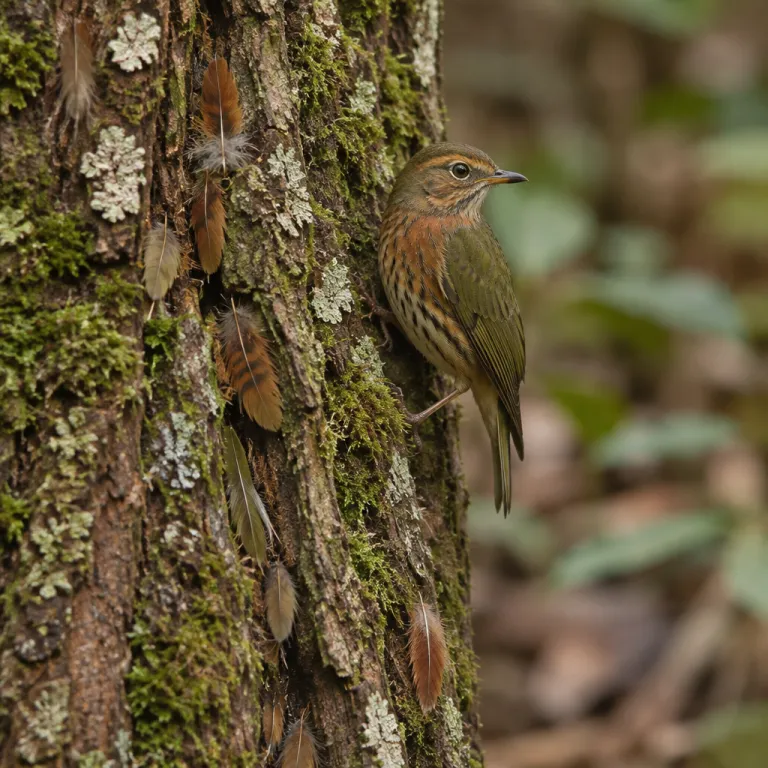
Why the birds of Vietnam belong on every wildlife traveller’s list
Vietnam stretches from misty northern mountains to tropical lowlands at sea level. This dramatic gradient creates habitats where more than 900 bird species thrive, making the country’s avifauna a compelling focus for any safari style journey. For travellers used to African savannas, the dense forests and steep valleys demand a different field craft but reward you with intimate encounters with rare and often endemic forest birds.
In the north, limestone karst and evergreen forest shelter elusive laughingthrush and babbler flocks. Move south and you meet a different suite of Vietnamese birds in drier dipterocarp woodland, where a flash of blue or yellow can signal a shrike babbler or a long tailed woodpecker crossing your path. Serious bird photographers quickly realise that each national park in Vietnam holds its own combination of endemic and near endemic species that rarely appear together anywhere else.
Many travellers arrive knowing only the Common Kingfisher or a familiar bulbul from home. After a week focused on birds, Vietnam reveals a new vocabulary of fulvetta, wren babbler, leaf warbler and scimitar babbler, each bird tied to a specific altitude band or forest structure. This is where a well prepared field guide becomes essential, turning anonymous movement in the canopy into named, interpretable behaviour that you can photograph and remember.
Building a field guide strategy for Vietnam’s national parks
Planning a trip around the birds of Vietnam starts with choosing the right national park for your target list. Cuc Phuong, Bach Ma and Cat Tien each protect different combinations of lowland, hill and montane forest, so the bird communities you meet will shift with every change in elevation. A traveller focused on laughingthrush flocks and skulking wren babbler groups will design a very different itinerary from someone chasing woodpecker diversity or colourful blue and orange breasted specialities.
Your personal field guide should combine a regional identification book, a digital checklist and annotated maps of each park. In Cuc Phuong, for example, you might mark territories of White-browed Scimitar Babbler, Black-headed Sibia and Yellow-vented Bulbul along a single trail, then return at first light to photograph these forest birds in soft valley mist. When you move south to Cat Tien, you will update your notes with new combinations of Black-crowned Fulvetta, Long-tailed Broadbill and White-throated Kingfisher along rivers at sea level and slightly above.
To refine this strategy, study specialist resources on mastering field guides for exceptional wildlife photography before you travel. Apply the same discipline used on African safaris, logging every bird, noting whether the plumage shows black or red highlights, and recording behaviour such as mixed flocks of warbler, babbler and bulbul species. Over several days, your notes evolve into a tailored field guide to the birds of Vietnam that reflects real conditions rather than generic range maps.
Key forest families: from laughingthrush to babbler
Many of the most sought after birds of Vietnam belong to a few forest loving families that reward patient, quiet tracking. Mixed parties of laughingthrush, babbler and fulvetta move through the undergrowth like a living wave, often led by a bold wren babbler or a scolding shrike babbler. Learning to read these flocks allows you to anticipate where the most colourful bird species will cross an open shaft of light for a clean photograph.
Among the stars are several laughingthrush taxa, including Chestnut-eared Laughingthrush and Orange-breasted Laughingthrush, both typically showing intricate black, white and chestnut patterns. In some northern national park valleys, you may encounter a Black-headed Laughingthrush moving with a Black-crowned Barwing, while a White-browed Scimitar Babbler calls from dense vines nearby. These combinations of Vietnamese forest birds are highly localised, so your field guide notes should record exact altitude, slope aspect and forest type for each encounter.
Babbler diversity can feel overwhelming at first, with scimitar babbler, wren babbler and shrike babbler all sharing similar dark, often black or brown tones. Focus on structural cues such as long tailed silhouettes, heavy billed profiles or contrasting white throated patches rather than colour alone. When you later compare your images to reference plates, you will find that even subtle differences in yellow or red eye rings become decisive for separating similar bird species in Vietnam’s complex forests.
Colour and pattern: using plumage to refine identifications
Colour is one of the most powerful tools in any field guide to the birds of Vietnam, but it must be used carefully. Forest light shifts quickly, turning a blue back into dull black or making a Yellow-vented Bulbul look almost white bellied in harsh sun. Train yourself to note combinations of colours and patterns rather than relying on a single bright patch.
Start with the contrast between black and white on key bird species such as Black-crowned Fulvetta, White-browed Shrike Babbler and White-throated Laughingthrush. Add secondary cues like red billed or yellow billed details on the face, and whether the tail appears distinctly long tailed or short and rounded. In some national park clearings, you may see an Orange-breasted Barbet sharing a fruiting tree with a Red-billed Leiothrix and a Blue-winged Leafbird, giving you a living palette of Vietnamese birds in one frame.
Pattern also helps with tricky warbler and leaf warbler identifications, where subtle wing bars or yellow supercilia separate nearly identical species. When photographing these birds of Vietnam, aim for side on shots that show the full body, including any white bellied or buff bellied wash and the exact tail length. Later, when you compare your images to a regional guide, you can cross reference every black, red, blue or yellow marking with altitude, habitat and behaviour notes to reach a confident identification.
Altitude, habitat and behaviour: reading the landscape for birds Vietnam
Understanding how altitude shapes the birds of Vietnam is as important as learning plumage details. Many bird species are tightly linked to narrow bands above or below certain sea level thresholds, especially in the Annamite range and northern limestone areas. A Black-headed Laughingthrush seen in lowland forest may indicate misidentification, while the same bird at 1,500 metres in mossy evergreen habitat fits perfectly.
Lowland national park forests such as Cat Tien hold a different mix of Vietnamese birds, including common woodpecker species, Yellow-vented Bulbul and various White-throated Kingfishers along rivers. As you climb into higher zones, you begin to meet more specialised fulvetta, leaf warbler and scimitar babbler groups that rarely descend. Behaviour shifts too, with long tailed sibias gliding between canopy gaps while secretive wren babbler and Chestnut-eared Laughingthrush skulk in dense bamboo.
A simple way to visualise this is to divide your notes into broad elevation bands based on regional surveys and BirdLife International country assessments:
| Elevation band (approx.) | Typical habitats | Illustrative species |
|---|---|---|
| 0–600 m | Lowland evergreen and riverine forest | White-throated Kingfisher, common woodpeckers, Yellow-vented Bulbul |
| 600–1,200 m | Hill forest and lower montane slopes | Long-tailed Broadbill, various leaf warblers, mixed babbler flocks |
| 1,200–2,000 m+ | Upper montane and cloud forest | Black-crowned Fulvetta, Chestnut-eared Laughingthrush, Black-crowned Barwing |
For wildlife travellers used to open savanna, this vertical layering can feel complex at first. A practical approach is to build altitude bands into your field guide notes, marking which birds of Vietnam appear between 200 and 600 metres, which between 600 and 1,200, and which above that. When combined with careful observation of whether a bird is feeding in the canopy, mid storey or on the forest floor, these data points turn your personal log into a powerful identification tool that complements printed guides.
Designing photo led field notes for Vietnam’s signature species
Modern wildlife travellers can transform their images of the birds of Vietnam into a dynamic, personalised field guide. Start by organising your photographs by national park, then by habitat type and altitude, rather than simply by date. This structure mirrors how bird species actually partition the landscape, making patterns of occurrence easier to see.
Within each folder, tag images with key descriptors such as laughingthrush, babbler, warbler, bulbul, woodpecker or fulvetta, and add notes on whether the bird showed black crowned, white browed, red billed or yellow vented features. Over time, you will build a visual index of Vietnamese birds that reflects real field conditions, including how colours shift under cloud, sun or deep shade. When you revisit sites at different sea level bands, you can compare how the same species looks in fresh plumage versus worn feathers, or how juvenile birds differ from adults.
To refine your field craft, study resources on using photography hides to let wildlife come to you and adapt those principles to Vietnam’s forests. A quiet position near a fruiting tree may bring Orange-breasted Barbets, parrotbill flocks, winged laughingthrushes and even scimitar babblers into range without disturbing them. For broader context on how habitat specialisation compares across continents, analytical pieces such as a mountain versus lowland gorilla guide can sharpen your understanding of how altitude and microhabitat shape wildlife distribution, a lesson that applies directly to the birds of Vietnam.
Statistics: key figures on the birds of Vietnam
- Vietnam hosts more than 900 recorded bird species, according to BirdLife International’s country assessments, placing it among the most diverse avian countries in Southeast Asia.
- At least 12 bird species are considered endemic to Vietnam in standard regional checklists, including Chestnut-eared Laughingthrush, Golden-winged Laughingthrush, Collared Laughingthrush, Orange-breasted Laughingthrush, Black-crowned Barwing, Grey-crowned Crocias, Vietnamese Cutia, Dalat Shrike-babbler, Vietnamese Greenfinch, Vietnamese Nuthatch, Vietnamese Crested Argus and Edwards’s Pheasant.
- Over 50 bird species in Vietnam are currently listed as globally threatened on the IUCN Red List, including several laughingthrush and babbler taxa tied to shrinking montane forests.
- Protected areas cover roughly 7% of Vietnam’s land area, yet they hold a disproportionately high share of the country’s bird species, especially in national park systems such as Cuc Phuong and Cat Tien.
- Altitude gradients from sea level to over 3,000 metres in northern Vietnam create distinct avian zones, with some leaf warbler and fulvetta species restricted to narrow elevation bands of around 300 metres documented in regional surveys.
FAQ: planning a bird focused journey in Vietnam
Which national parks are best for seeing a wide range of birds of Vietnam ?
Cuc Phuong, Bach Ma and Cat Tien national parks offer complementary habitats that together cover lowland, hill and montane forest, giving travellers access to a broad spectrum of bird species. Combining at least two of these parks in one itinerary significantly increases your chances of encountering laughingthrush, babbler, bulbul and warbler families. Each park also has established trail systems that make independent birding and photography more practical.
When is the best season to photograph forest birds in Vietnam ?
The dry months from roughly late autumn to early spring usually provide the most reliable conditions for photographing birds of Vietnam, with clearer skies and less leech activity on forest trails. Many species vocalise more during their breeding period, making laughingthrush, wren babbler and scimitar babbler easier to locate by sound. Light quality is often better in the early dry season, when haze is reduced and forest colours appear richer.
Do I need a specialist guide to identify Vietnam’s forest birds ?
A specialist local guide is highly recommended, especially for difficult groups such as leaf warbler, fulvetta and similar looking babbler species. These experts know precise territories for rare Vietnamese birds, including black crowned or white browed specialities that can be almost impossible to find alone. They also help with vocal identifications, which are crucial in dense forest where many birds remain hidden.
What equipment is essential for photographing birds in Vietnam’s forests ?
A telephoto lens of at least 300 millimetres, a sturdy but lightweight tripod or monopod and weather protection for your gear are essential for serious work on the birds of Vietnam. Binoculars with an 8x or 10x magnification help you confirm identifications before committing to a shot. A notebook or digital app for field notes turns each sighting of laughingthrush, bulbul, woodpecker or warbler into useful data for your personal field guide.
How can I minimise my impact on sensitive bird species while travelling ?
Stay on marked trails, keep group sizes small and avoid playback of bird calls in heavily visited areas, especially for threatened laughingthrush and babbler species. Work at respectful distances, using longer lenses rather than approaching nests or roosts of birds in Vietnam’s forests. Supporting responsible tour operators and national park conservation projects also helps ensure that Vietnam’s rich avifauna remains intact for future travellers.