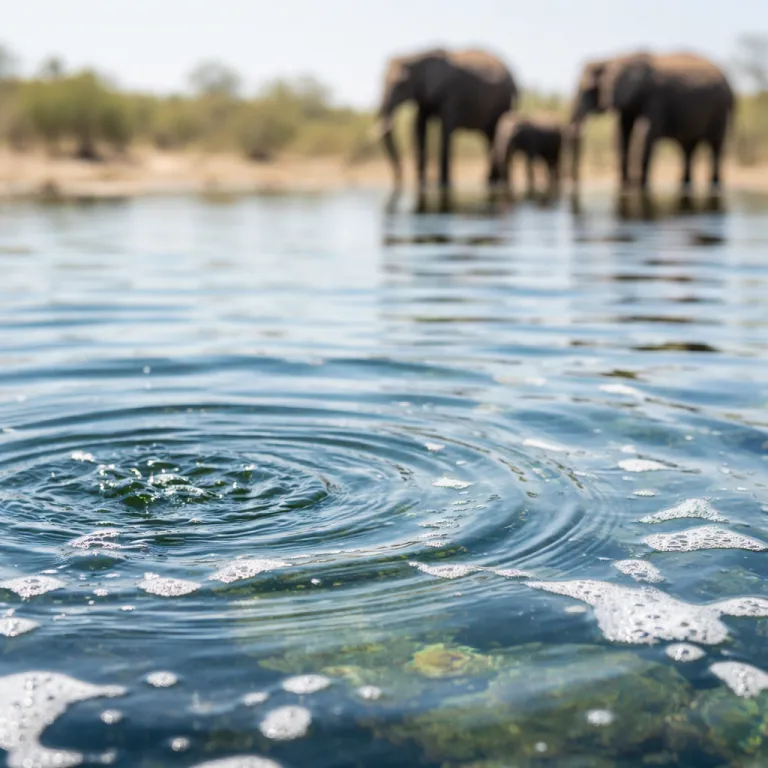
The enduring allure of African big game animals on safari
African big game animals shape many travellers’ first dreams of safari. These african big game animals include the legendary Big Five, whose reputation grew from dangerous game hunting on foot into icons of conservation and photographic tourism. Today, the same large game animals that once symbolised risk now represent fragile ecosystems and the responsibility each visitor carries.
In africa, the term Big Five refers to African Elephant, African Lion, African Leopard, Cape Buffalo, and Rhinoceros, all historically considered the most challenging hunting species. This heritage of big game and game hunting still influences how some people imagine a safari, yet modern travellers increasingly seek ethical experiences that respect every animal and habitat. Understanding this shift is essential if you wish to support reserves where each animal, from plains game to apex predator, can thrive.
The african context is complex, because trophy hunting and game hunting have historically funded some conservation projects while also driving intense debate. In certain parts of southern africa and south africa, regulated trophy hunting of specific game animals continues, while other regions focus solely on photographic safaris. As a responsible guest, you will weigh these realities and choose operators whose practices align with your values and with the long term survival of every species.
Among african game, the Cape Buffalo stands out as both a trophy and a keystone grazer. A mature cape buffalo can be a truly large animal, and a dominant bull will weigh close to 800 kilograms, with sweeping horns that form a heavy boss across the forehead. These horns are not just symbols of power ; they are essential tools for defence against predators and for establishing hierarchy within the herd.
From hunting legacy to conservation led safaris in southern Africa
The story of african big game animals cannot be separated from the history of hunting in africa. In the late colonial era, big game and trophy hunting shaped maps, myths, and even the first protected game reserve boundaries. Originally, they were the most difficult animals to hunt on foot. Today, that same difficulty translates into a sense of awe when you meet these animals on a low impact safari.
Across southern africa, many former hunting blocks have become photographic concessions where the only shots are taken with cameras. In south africa, for example, private game reserve owners increasingly prioritise habitat restoration and anti poaching units over traditional trophy hunting. When you book with a reputable operator, you support this transition from game hunting to nature based tourism that values every animal alive rather than as a trophy.
Planning a journey through eastern southern regions or into africa namibia requires careful attention to ethics, safety, and insurance. Before you travel, review specialist advice on safari travel insurance recommendations so that you can focus fully on the wildlife experience. Comprehensive cover will weigh heavily in your favour if flights are delayed, luggage is lost, or a medical evacuation from a remote game reserve becomes necessary.
In this new era, the african safari is less about the size of a trophy and more about the depth of your understanding. You will encounter medium sized and large species, from sized antelope to cape buffalo, and learn how each animal shapes the landscape. By listening to guides who grew up in southern africa, you gain insight into how communities balance livelihoods, former hunting traditions, and the urgent need to protect every remaining animal.
Iconic species of African big game and their safari behaviour
Among african big game animals, the African Elephant remains the largest land animal on Earth. A mature bull will weigh several tonnes, and even a medium sized female towers above safari vehicles as she leads her family across the plains. Watching these animals in a game reserve, you sense how their constant movement shapes waterholes, paths, and vegetation for countless other species.
The African Lion, often called the king of africa, is another emblematic big game predator. Males with dark manes patrol territories where females hunt in coordinated groups, targeting plains game such as sized antelope and sometimes even cape buffalo. Their presence signals a healthy ecosystem, because only a robust population of prey animals can support such powerful hunters.
The African Leopard, scientifically known as Panthera pardus, is perhaps the most elusive of all african game. This animal moves silently through riverine thickets and rocky kopjes, often dragging its kill into trees to avoid lions and hyenas. The dataset notes that the African Leopard is a “Stealthy predator” and that it is “Rosette-patterned coat; active day and night.”
Rhinoceros, both white and black, represent some of the most threatened game animals in southern africa. The black rhino, in particular, is critically endangered, and every individual animal is closely monitored by conservation teams. When you encounter these large animals on safari, guides will explain how anti poaching patrols, community partnerships, and carefully managed tourism all contribute to their survival.
Understanding plains game, antelope diversity, and predator prey dynamics
Beyond the famous Big Five, african big game animals include a rich array of plains game that define the character of each landscape. In southern africa and south africa, herds of medium sized and sized antelope graze and browse in open savannahs, woodlands, and semi desert regions. These animals are the foundation of the food chain, sustaining predators from leopard to lion.
Species such as black wildebeest, greater kudu, and southern impala are central to many safari experiences. A black wildebeest herd will weigh heavily on the grasslands, their constant grazing shaping plant communities and soil health. The spiral horns of a greater kudu and the lyre shaped horns of a male southern impala are as striking as any trophy, yet their true value lies in their role as adaptable, resilient game animals.
In africa namibia and other eastern southern regions, you will encounter both large and medium sized antelope adapted to arid conditions. These african game species have evolved efficient water use, cryptic colouring, and social behaviours that reduce predation risk. Predators such as Panthera pardus and lion, in turn, influence where these animals feed, rest, and raise their young.
Understanding these dynamics deepens your appreciation of every animal you see on safari. Rather than focusing solely on potential trophy hunting narratives, you begin to read the landscape as a living journal of tracks, scents, and subtle movements. Each sighting, whether of plains game or a solitary leopard, becomes an entry in your own mental safari journal that connects behaviour, habitat, and conservation.
Buffalo, horns, and the ethics of trophy hunting in modern Africa
Few african big game animals provoke as much debate as the cape buffalo. This large animal, with its massive horns and unpredictable temperament, has long been a symbol of both danger and prestige in africa’s hunting history. Forms large herds; known for aggressive defense.
In some parts of southern africa, tightly regulated trophy hunting of cape buffalo and other game animals still occurs. Proponents argue that such trophy hunting can generate revenue for conservation and local communities, especially in remote areas where photographic tourism is not yet viable. Critics counter that the loss of a prime breeding animal, particularly one with exceptional horns, may undermine long term genetic health and send conflicting messages about the value of wildlife.
As a traveller, you will weigh these arguments when choosing where to go and whom to support. Many game reserve operators in south africa and eastern southern regions now focus exclusively on non consumptive tourism, emphasising photography, guided walks, and in depth interpretation. When you select these experiences, you help shift the economic balance away from game hunting and towards models that keep every animal alive and contributing to its ecosystem.
Reading widely, perhaps even keeping a personal safari journal, helps clarify your stance on these complex issues. You might note how a herd of cape buffalo will weigh down the grass as it grazes, then watch how lions test the herd’s defences without always making a kill. Such observations reveal that the true trophy in africa today is not a set of horns on a wall, but a functioning landscape where predators, prey, and people coexist.
Planning an ethical safari across southern Africa’s great game reserves
Thoughtful planning is essential if you want your journey among african big game animals to support conservation. Start by choosing destinations in southern africa, south africa, or africa namibia where game reserve management is transparent about anti poaching, community partnerships, and land stewardship. Reputable operators will share how tourism revenue supports rangers, research, and local livelihoods rather than relying on trophy hunting alone.
When comparing itineraries, look for a balance of habitats and species, from large predators to medium sized plains game. A well designed route might include a classic savannah game reserve rich in african game, followed by a more arid region where black wildebeest, greater kudu, and southern impala dominate the landscape. This variety ensures that you will see how different animals adapt to changing conditions across eastern southern ecosystems.
Consider combining your african safari with other wilderness journeys that deepen your understanding of conservation. For example, reading about an elegant national park road trip through great wilderness areas can highlight parallels between protected landscapes on different continents. Such context reinforces why every animal, from a solitary leopard to a herd of plains game, depends on long term habitat protection.
Finally, travel with humility and curiosity, recognising that africa’s big game animals are not staged attractions but wild beings with their own agency. Listen carefully as guides explain why some areas once used for game hunting are now strictly photographic zones. By the time you leave, your safari journal will weigh more in insight than in pages, filled with reflections on how ethical choices can shape the future of wildlife tourism.
Key statistics on African big game animals
- African Elephant population in sub Saharan africa is estimated at around 415 000 individuals across various national parks and reserves.
- African Lion numbers are far lower, with approximately 20 000 individuals remaining in fragmented habitats.
- African Leopard populations are more widespread, with an estimated 700 000 individuals, although local declines occur where habitat is lost.
- Cape Buffalo remain relatively numerous, with about 900 000 individuals across africa’s savannah and woodland ecosystems.
- Black Rhinoceros are critically endangered, with roughly 5 500 individuals surviving under intensive protection.
Essential questions about African big game animals and safaris
Why are they called the Big Five?
They are called the Big Five because, historically, these were considered the most difficult animals to hunt on foot in africa. Professional hunters and early safari clients regarded elephant, lion, leopard, buffalo, and rhinoceros as the ultimate trophies. Today, the term is widely used in photographic safaris, where the goal is to observe and photograph these species rather than to hunt them.
Where can I see the Big Five?
You can see the Big Five in numerous national parks and private game reserves across southern africa, south africa, and other regions of sub Saharan africa. Well known destinations include large transfrontier conservation areas and smaller private reserves that offer guided drives and walks. When planning your trip, prioritise operators who emphasise ethical wildlife viewing and contribute to long term conservation.
Are the Big Five endangered?
Some of the Big Five are under severe pressure, while others remain relatively stable. The black rhinoceros is critically endangered, and its survival depends on intensive protection, habitat security, and strong anti poaching measures. Lions, elephants, leopards, and cape buffalo face varying degrees of threat from habitat loss, human wildlife conflict, and illegal hunting, making responsible tourism an important part of their future.