Designing your v4 wildlife photography pipeline for African safaris
Building a wildlife photography pipeline for safari work starts with clear intent. Your workflow should guide every step from choosing a reserve to curating a final gallery that reflects both animal behavior and landscape context. When you treat this evolving safari photography workflow as a structured journey, you reduce stress in the field and increase the number of usable images.
Begin with destination mapping that aligns your v4 wildlife photography pipeline to specific species and habitats. For big cats, the Maasai Mara in Kenya and the Serengeti in Tanzania offer open plains, predictable migration routes, and relatively habituated predators that tolerate vehicles at respectful distances. For elephants and varied birdlife, consider Chobe National Park in Botswana or South Luangwa in Zambia, where river systems and floodplains create layered compositions and reliable daily movement patterns.
Translate these choices into a written shooting plan that covers research, packing, field routines, and post processing. Research should include seasonal wildlife movements, park regulations, and typical viewing distances so you can match focal lengths and support systems to real conditions. When your safari photography pipeline is documented in advance, you free mental bandwidth on safari to read light, anticipate behavior, and respond quickly when a scene unfolds.
Mapping wildlife hotspots into a practical field workflow
Turning famous wildlife hotspots into a usable workflow means going beyond the brochure. Start by segmenting your v4 safari workflow into morning, midday, and late afternoon blocks that reflect how animals actually move and rest in each ecosystem. This structure helps you decide when to focus on predators, when to work on birds, and when to invest in wider environmental portraits.
In East Africa, early drives in the Maasai Mara or Serengeti should prioritize predators on the move, while late afternoon often favors elephants, giraffes, and antelope in warm side light. In southern Africa, reserves like Sabi Sand in South Africa or Mana Pools in Zimbabwe reward patient stakeouts at waterholes, where you can apply your safari photography workflow to layered scenes of multiple species interacting. For a broader planning overview of these wildlife hotspots, a detailed African wildlife hotspots guide or park specific trip reports can help you align expectations with reality.
Each hotspot should occupy its own section in your written plan, with notes on typical shooting distances, vehicle rules, and likely backgrounds. This level of detail lets you pre assign lenses, ISO ranges, and minimum shutter speeds for each phase of the day. A sample shooting day might include a 5:30 a.m. wake up, a 6:00–10:00 a.m. game drive focused on predators, a midday break for backing up images and cleaning gear, and a 3:30–7:00 p.m. drive emphasizing backlit portraits and silhouettes. When your v4 safari workflow is tied to specific hotspots rather than generic safari ideas, your hit rate improves and your portfolio gains geographic depth.
Extending the pipeline to polar and Arctic wildlife frontiers
A robust wildlife photography pipeline should not stop at savannas. Many photographers now extend their safari mindset to Arctic and sub Arctic regions, where polar bears, walrus, and Arctic foxes demand different logistics but the same disciplined planning. Treat these destinations as additional modules in your workflow, each with its own environmental and ethical considerations.
In Kaktovik, Alaska, polar bear tours offer controlled boat based viewing near barrier islands where bears wait for sea ice to form. A structured v4 wildlife photography pipeline here includes cold weather gear checks, waterproof protection for camera bodies, and pre configured exposure settings for bright snow and water reflections. For example, you might start with aperture priority at f/8, exposure compensation between +1 and +1.7 stops to avoid gray snow, and auto ISO capped around ISO 3200 to balance noise and shutter speed. For a deeper sense of what such an experience entails, consult an in depth account of immersive polar bear viewing in Kaktovik, then adapt those lessons into your own workflow.
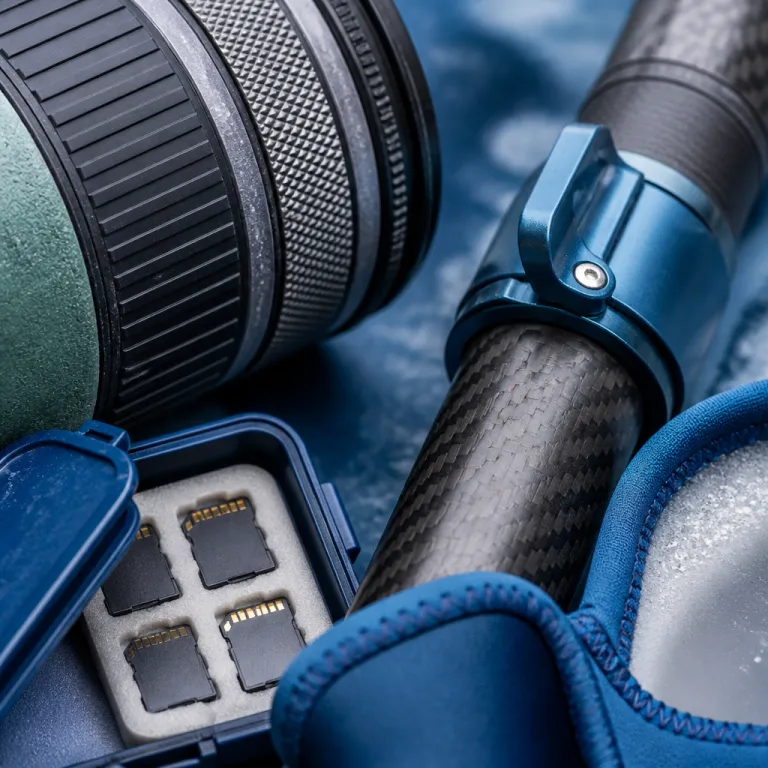
Arctic expeditions also highlight the importance of redundancy in your pipeline, from backup batteries to duplicate memory cards stored in separate dry bags. Distances from repair facilities are far greater than on most African safaris, so your wildlife photography checklist must include contingency plans for equipment failure. When you integrate these high latitude modules into your overall safari strategy, you gain a year round wildlife calendar that keeps skills sharp and portfolios evolving.
Gear, settings, and data management within a safari pipeline
Any serious safari photography workflow must integrate gear choices and data management as core components, not afterthoughts. Start by defining a primary and secondary camera body, then assign each a clear role such as fast action with a telephoto zoom and environmental portraits with a mid range zoom or wide angle. This role based approach reduces lens changes in dusty conditions and keeps your response time sharp when behavior changes suddenly.
On most African safaris, a 100–400 mm or 150–600 mm lens paired with a 24–70 mm or 24–105 mm lens covers the majority of situations. Popular examples include a Canon RF 100–500 mm f/4.5–7.1 or Nikon Z 100–400 mm f/4.5–5.6 on one body, and a 24–70 mm f/2.8 on the other. Your v4 safari workflow should specify default settings for each body at the start of every drive, such as aperture priority at f/5.6 to f/8, auto ISO with a minimum shutter speed around 1/1000 s for moving subjects, and continuous autofocus with back button focus. These defaults act as a safety net so you can concentrate on composition and timing rather than constantly rebuilding settings from scratch.
Data management deserves its own checklist within the pipeline, including dual card recording when available, daily backups to a rugged external drive, and a simple folder structure by location and date. Aim to review and rate a small selection of images each evening, flagging any technical issues while you can still adjust in the field. When your safari photography workflow treats data as carefully as fieldcraft, you protect both your creative work and the stories you intend to tell.
Ethics, remote viewing, and reading animal behavior
A modern wildlife photography pipeline must place ethics and animal welfare at its core. Responsible wildlife photography respects minimum distances, avoids blocking movement paths, and never pressures an animal to change behavior for the sake of a frame. Ethical guidelines are not optional extras; they are the foundation of credible safari storytelling.
Remote tools can strengthen this ethical focus when used thoughtfully. For example, watching a live webcam such as the one at Ol Donyo Lodge in Kenya, accessible through an online wildlife viewing platform, helps you learn to read body language, social interactions, and daily rhythms before you arrive. Integrating such observation into your v4 wildlife photography pipeline trains your eye to anticipate tension, relaxation, and subtle shifts that signal a pending chase, mock charge, or playful interaction.
Ethical pipelines also include clear communication with guides about your expectations and boundaries. Agree on no go behaviors such as surrounding animals with vehicles, approaching too closely to nesting birds, or using artificial light on nocturnal species. When your safari photography workflow explicitly prioritizes animal welfare, your images carry more integrity and your audience can trust the stories behind them.
From field notes to curated stories in your final pipeline stage
The final stage of any v4 safari workflow transforms raw files into coherent narratives. Start by reviewing your images not only for sharpness and exposure, but for emotional impact and behavioral insight. Strong safari portfolios usually combine close portraits, wider habitat shots, and sequences that show how an event unfolded over time.
Create themed collections that reflect specific wildlife hotspots, such as lions on the Mara plains, elephants along the Chobe River, or polar bears near Kaktovik’s barrier islands. Within each collection, sequence images to lead the viewer from context to climax, then to a quiet closing frame that allows reflection. This narrative discipline should be written into your wildlife photography checklist so that editing becomes a structured creative process rather than a rushed selection of obvious highlights.
Finally, pair images with concise, accurate captions that name species, locations, and observed behaviors. Avoid exaggeration; your authority grows when you describe what you saw in clear, grounded language. When your safari photography workflow ends with thoughtful curation and honest storytelling, your safari and wildlife adventures resonate more deeply with viewers and potential clients alike.
Key statistics on safari and wildlife photography travel
- The World Travel & Tourism Council has reported that wildlife tourism accounts for an estimated one third of tourism revenue in many African countries, underscoring how structured safari pipelines directly support conservation focused economies (World Travel & Tourism Council, “The Economic Impact of Global Wildlife Tourism,” 2019).
- According to the United Nations World Tourism Organization, international tourist arrivals to Africa have grown steadily over the past decade, with wildlife and nature based trips representing one of the fastest growing segments within that increase (United Nations World Tourism Organization, “Tourism in Africa: A Tool for Development,” 2017).
- Camera manufacturers such as Canon and Nikon have noted that telephoto zoom lenses in the 100–400 mm range are among their most popular lenses for safari travelers, reflecting the practical focal lengths required by most wildlife hotspots (based on product lineups and sales highlights reported in Canon and Nikon press materials).
- Surveys by conservation NGOs indicate that visitors who participate in guided wildlife photography workshops are more likely to donate to conservation projects afterward, suggesting that well designed v4 wildlife photography pipeline experiences can translate directly into financial support for protected areas (for example, post trip surveys published by organizations such as WWF and African Parks).
FAQ about wildlife hotspots and safari photography pipelines
How many days should I plan for a serious wildlife photography safari ?
For a focused wildlife photography trip, plan at least seven to ten days in one core region, which allows time to understand local animal routines, adapt your v4 wildlife photography pipeline to real conditions, and recover from any days affected by weather or unexpected closures.
Which African parks are best for first time wildlife photographers ?
First time photographers often do well in the Maasai Mara, Serengeti, or Sabi Sand, where wildlife densities are high, guides are accustomed to photographers, and typical viewing distances match the 100–400 mm focal range that many safari photography workflow plans rely on.
Do I need two camera bodies for a safari photography pipeline ?
Two bodies are strongly recommended, because they reduce lens changes in dusty vehicles and provide redundancy if one fails, which is especially important when your v4 safari workflow depends on capturing fast moving behavior at unpredictable moments.
How can I practice wildlife photography skills before traveling ?
You can refine your wildlife photography checklist at local reserves, zoos, or bird hides by rehearsing lens handling, autofocus modes, and exposure decisions, then reviewing images critically to identify gaps before you commit to a long haul safari.
What is the most important ethical rule in wildlife photography hotspots ?
The single most important rule is never to alter an animal’s natural behavior for a photograph, which means maintaining respectful distances, following guide instructions, and ensuring your v4 wildlife photography pipeline always places animal welfare above any image you hope to capture.