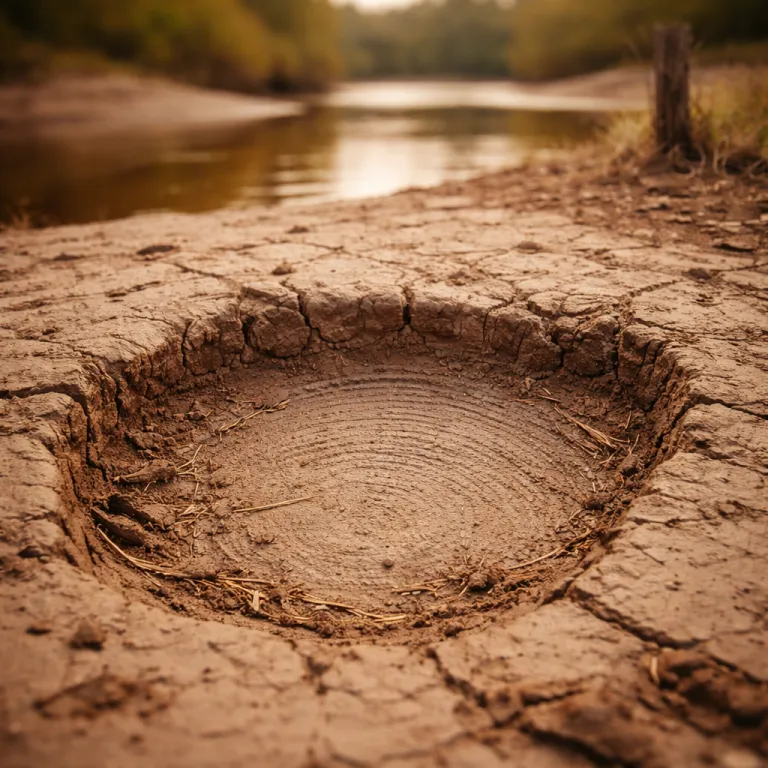
Kafue’s northern frontier and a new model for a Zambia safari
Lolelunga Private Reserve lies in a once heavily poached landscape north of Kafue, now repositioned as one of Zambia’s most ambitious rewilding initiatives. This fully fenced private reserve covers roughly 30,000 hectares of former hunting and snaring ground about 30 kilometres north of Kafue National Park, giving guests a Zambia safari experience that is as much about ecological repair as it is about wildlife viewing. According to the reserve’s own ecological brief (Lolelunga Ecological Report, 2023), the Lunga River forms a 13 kilometre crystal clear corridor through the property, anchoring both habitat restoration and guest activities.
This enclosed private model is described by the Lolelunga team as a first for a reserve in Zambia at this scale, and it challenges the traditional preference for open conservancies in the greater Kafue region. By fencing the private area, managers can control poaching access, monitor game movements, and stage phased reintroductions of elephants, lions, cheetahs, buffalo, pangolins, and sitatunga with unusual precision. Internal reports from 2021–2024 note the return of more than 150 plains game, the release of an initial founder herd of buffalo, and the first monitored pangolin rescues and releases (Lolelunga Wildlife Monitoring Summaries, 2021–2024). A Kaonde community representative quoted in a 2023 district development meeting described the project as “bringing back animals we thought were gone for good”, while also stressing the need for long-term benefit-sharing. For travellers, that translates into a safari where every game drive, every stretch of river, and every walking safari is framed by an explicit conservation mandate rather than a simple game tally.
The Lolelunga conservation project began in 2018 with land acquisition and perimeter fencing, then moved to habitat restoration and wildlife reintroduction in close collaboration with the neighbouring Kaonde community. Methods have included daily anti-poaching patrols that removed hundreds of wire snares in the first two years, long-term ecological research on vegetation recovery, and a conservation community programme that links sustainable tourism revenue directly to local livelihoods through employment and education support. Independent overviews of Zambia’s protected areas, such as those compiled by Zambia Tourism and African Parks, confirm the wider regional pressures of poaching and habitat loss that Lolelunga is responding to. As the reserve’s wildlife densities climb, Lolelunga’s private operations are positioning this corner of Zambia as a low-density, high-impact safari destination for guests who care as much about the design of the conservation model as about luxury tents and sundowners.
What an enclosed private reserve means for guests, wildlife and design
The Lolelunga Private Reserve Zambia safari is built around a strict 14-guest cap, which reshapes the social dynamic of game drives and river outings. With so few people in camp, vehicles rarely share sightings, and a single game drive can spend an hour with a lion coalition or a breeding herd of elephants without another Land Cruiser in view. On the Lunga River, canoe trips and sunset cruises feel genuinely private, the only other traffic being hippos, crocodiles, and flocks of waterbirds working the crystal clear shallows. Camp imagery and maps supplied by the lodge show just three vehicles operating across the entire fenced area, reinforcing the sense of space and solitude.
Because the reserve is fully fenced, managers can fine-tune game introductions and predator–prey balances in ways impossible in an open national park, yet the wilderness still feels expansive rather than zoo-like. The Big Five, cheetahs, pangolins, and shy antelope such as sitatunga move through a mosaic of restored miombo woodland and riverine forest, and walking safaris focus on tracks, plants, and behaviour rather than chasing a checklist. Early monitoring data indicate steadily increasing sightings of leopard and hyena along the riverine belt, while camera traps record nocturnal pangolin movements that would be easy to miss on a conventional drive. At the same time, conservation practitioners note that fenced reserves can concentrate animals and require ongoing management to avoid overstocking, a trade-off that Lolelunga addresses through periodic ecological assessments and adaptive stocking plans. Design choices in camp lean towards low-slung structures and river-facing decks, with the Ngoma deck and its open sleepout platform giving guests a direct line to the night sky and the sounds of Africa after dark.
For couples used to classic luxury lodges in Zambia or coastal Africa, the Lolelunga private approach feels more like an exclusive-use conservation base than a conventional resort. It shares DNA with the kind of private group escapes and exclusive-use wildlife lodges covered on specialist safari trip planning guides, but here the emphasis is firmly on rewilding rather than décor. Every aspect of the safari experience, from guided drives and walking along the Lunga River to quiet hours on the Ngoma deck, is calibrated to keep human presence light while maximising both photo opportunities and ecological benefit. Camp photography and interpretive materials highlight restoration milestones as clearly as they do sundowners, and staff are open about the challenges of maintaining fences, funding anti-poaching, and sustaining community partnerships, making the conservation story part of the daily rhythm.
Rewilding economics, access logistics and how your stay funds conservation
Lolelunga Private Reserve operates on a clear premise, where a high nightly rate underwrites landscape-scale conservation in a once degraded area. As the management team states, “Rewilding degraded lands”, “Community-based conservation”, and “Sustainable luxury tourism” are the three pillars that guide every operational decision. In practice, that means revenue from each Lolelunga Private Reserve Zambia safari is channelled into anti-poaching patrols, fence maintenance for the fully fenced perimeter, ecological monitoring, and direct partnerships with the Kaonde community. Annual summaries shared with guests reference more than 1,000 patrol days per year, a steady decline in recorded snaring incidents, and increasing employment for local households (Lolelunga Annual Conservation and Community Reports, 2019–2023).
For travellers, the logistics are straightforward despite the wilderness setting in northern Kafue, with access via private charter from Lusaka’s international airport to an on-site airstrip in Kasempa District that is listed in recent Zambian civil aviation documentation. The May to November dry season is the prime window, when game drives and walking safaris can range widely and the Lunga River drops to crystal clear channels ideal for canoeing and catch-and-release fishing. Many guests pair a stay at this private reserve with time in Kafue National Park or another national park in Zambia, using resources such as specialist analyses of where safari dollars have the most impact in a private conservancy versus national park comparison to shape their itinerary and understand the trade-offs between different conservation models.
The enclosed nature of this private area raises valid questions about fences in Africa, yet here the trade-off is explicit and transparent. In a landscape once defined by dynamite fishing, illegal logging, and snaring, the fenced private model has allowed wildlife to return while giving the conservation community a predictable funding stream through sustainable tourism. Internal monitoring reports, shared in summary form with visitors, document vegetation recovery along the Lunga corridor and a gradual increase in large mammal biomass, while independent conservation organisations working in Zambia caution that long-term success will depend on continued financing and strong community governance. For couples seeking a Zambia safari experience that goes beyond a standard game drive, Lolelunga offers a rare combination of intimacy, serious conservation intent, and a wilderness that is still visibly healing under their feet.
Further reading
For more context on Zambia and conservation-led safaris, consult Zambia Tourism, Sustainable First, and African Parks for up-to-date data and policy insights. These sources provide independent background on protected areas, community partnerships, and the broader policy environment that frames projects like Lolelunga Private Reserve, helping travellers place a fenced private reserve in the wider story of Kafue and Zambia’s conservation landscape.