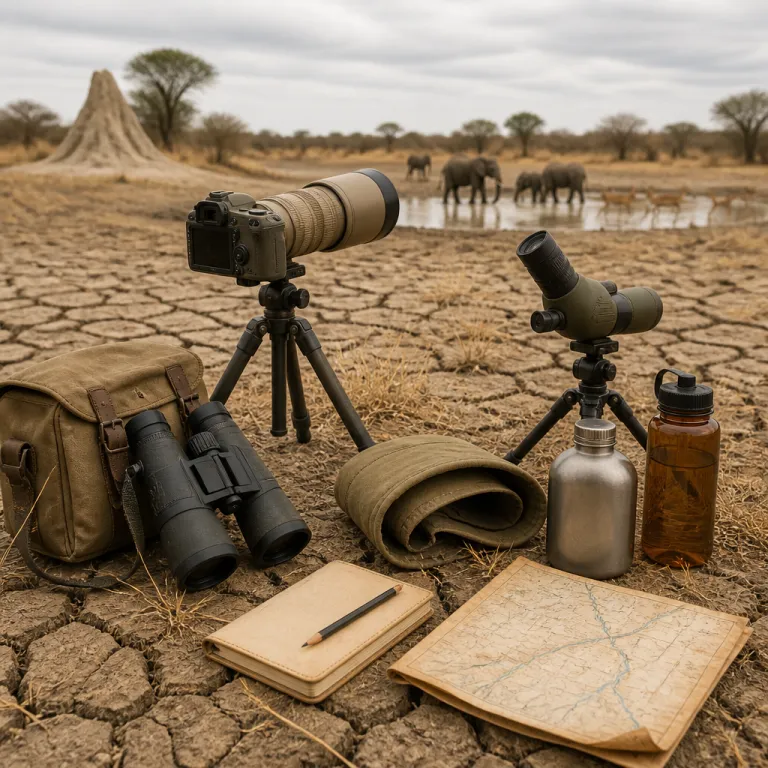
The water map of Southern Africa’s peak dry season
By June the dry season safari Southern Africa June July window is fully open, and the land begins to show its bones. This is the best time of the year for couples who want a quiet but intense africa safari, because shrinking water sources in southern africa pull elephants, grazers and predators into the same frame. Seasonal wildlife concentration is not a marketing phrase ; it is the moment when animals gather at scarce water sources for survival, access to water, and predation opportunities.
Across south africa and its neighbours, the map of water dictates where you should visit and when during the dry season. In Botswana’s Chobe region, more than 50 000 elephants may move towards the Chobe River as the surrounding bush turns low and brittle, while in Zambia’s South Luangwa the Luangwa River becomes the only reliable drink for big herds of grazers and the predators that shadow them. These methods of migration to water sources and formation of large herds are driven by natural instincts and social behaviours that have adapted to arid conditions over a long time.
For couples planning travel, the best time within the broader dry season depends on how concentrated you want your wildlife viewing to be. May and June offer good game viewing with some greenery left, while August brings peak density at waterholes but also higher dust and cooler mornings. Visit during dry season for best wildlife viewing, and focus your game drives on rivers, pumped pans and natural springs where elephants, grazers and predators converge in low arcs of movement.
Weather patterns in this season are deceptively complex, and the contrast between regions in south and east africa matters. Along the Zambezi, victoria falls roars loudest just before the dry season safari Southern Africa June July period, then gradually thins, revealing rock walls and creating excellent conditions for photography and helicopter flights. In contrast, the Okavango Delta in Botswana reaches its flood peak between June and August, a paradox where the driest time year on land coincides with the wettest inland delta, and this is precisely why mokoro canoe safaris and boat based game viewing are at their best.
Okavango, Kruger and South Luangwa: how timing shapes your sightings
Think of southern africa in the dry season as a series of different stages, each national park offering its own script for wildlife viewing. In Kruger National Park in south africa, the dry season from June to September concentrates game at waterholes, and sighting densities can be three to four times higher than during the green wet season. That makes this the best time for self drive game drives, especially if you study a detailed route guide such as the one in our Kruger self drive safari planning guide.
South Luangwa in Zambia offers a different rhythm, with the Luangwa River acting as the only permanent water source by late dry season. Leopards, lions and wild dogs patrol the banks, while big herds of grazers file down dusty paths to drink, and this is where predators become opportunistic hunters. The expected impact of this seasonal water scarcity is increased wildlife visibility, and couples who time their visit for late August or September often report excellent africa safari encounters on foot as well as from vehicles.
Then there is the Okavango Delta, where the flood season is simultaneously the dry season on the surrounding Kalahari sands. Here the best time for a dry season safari Southern Africa June July stay is when floodwaters are high enough for mokoro trips but low enough that islands remain exposed for walking and classic game drives. The africa wide great migration happens far away in east africa, yet the Okavango’s own movements of red lechwe, buffalo and elephants create a quieter but equally great spectacle for couples who prefer intimacy over crowds.
Couples often ask whether to prioritise one national park or to combine several during a single time year. A smart strategy is to pair Kruger’s high season density with a lower key reserve in south africa or Zambia, balancing high season certainty with low season calm. If you have already experienced the great migration in east africa or even wildlife spectacles in south america or north america, this southern africa circuit offers a more measured, low impact style of travel where the focus is on behaviour, light and space rather than a checklist of the Big Five.
Weather, layers and pricing: making July to October work for couples
The romance of a dry season safari Southern Africa June July itinerary can surprise first timers when the pre dawn alarm sounds and the air bites. In the Kalahari and on the Highveld of south africa, temperatures on winter mornings can hover close to freezing, while by afternoon the mercury climbs into the mid twenties Celsius under a hard blue sky. This swing in weather makes layering essential ; think thermal base, fleece mid layer and windproof shell for early game drives, then strip back to a light shirt and trousers by brunch.
Because this is the best time for wildlife viewing, it is also the high season for pricing in many of southern africa’s flagship reserves. Camps in prime concessions of the Okavango, Kruger and South Luangwa often charge peak rates from July through October, reflecting both demand and the cost of maintaining conservation grade operations in remote areas. To find good value, look at the shoulders of the dry season, where late May or early November can offer 30 to 40 percent savings compared with the absolute peak, while still delivering excellent game viewing and low vegetation.
Weather also shapes what couples can do between game drives, from languid pool time in the mid day heat to fireside dinners once the sun drops. This is the great sundowner season, with clear skies, low humidity and long golden hours that flatter both landscapes and portraits. If you are tracking new openings, our overview of new safari lodges and camps highlights properties that are designing decks, firepits and star beds specifically around the rhythms of the dry season in southern africa.
Pricing and availability also respond to global travel patterns, including holiday peaks in north america, south america and europe. July and August departures often book out a full time year in advance, especially for small camps in high demand concessions that limit vehicle numbers for a more exclusive experience. If your schedule allows, aiming for late August or September in south africa and neighbouring countries can balance high season wildlife with slightly lower pressure on beds and a more relaxed pace around camp.
Why dry season suits couples: light, space and concentrated wildlife
For couples, the appeal of a dry season safari Southern Africa June July journey lies in the way the landscape edits itself. Grass drops to ankle height, leaves thin, and every remaining pool of water becomes a stage where elephants, grazers and predators rotate through in a slow, inevitable choreography. Elephants, as primary water dependent species, require over 30 gallons of water daily, so when pans shrink they must commit to specific routes, giving guides a good sense of where to position you for unhurried wildlife viewing.
Low vegetation and clear skies translate into excellent photography conditions, especially in the first and last hours of light. This is when big cats move, dust hangs in the air, and the low sun backlights herds in a way that feels almost cinematic, yet entirely unforced. Not the Big Five tally, but the sighting where the tracker whispers and the leopard materialises from a branch you were already looking at ; that is what the best time in southern africa’s dry season is about.
Another advantage for couples is the quieter, more reflective atmosphere compared with the festive feel of the green wet season or the busy december january holiday period. While this is technically high season for wildlife, many camps manage vehicle numbers carefully, so you may share a sighting with only one or two other vehicles, or none at all in more remote concessions. Conservation minded operators also use this time year of increased wildlife tourism to fund water source maintenance and anti poaching patrols, reinforcing the link between your travel spend and on the ground protection.
Planning a broader adventure calendar, some couples now alternate a dry season africa safari with a polar voyage or a different hemisphere’s wildlife peak. Our feature on current Antarctica cruise news and wildlife expeditions shows how the southern oceans offer their own version of concentrated life when the sea ice shifts. Whether you are comparing africa with south america’s Pantanal or north america’s bear country, the constant is this ; the best wildlife experiences come when you align your visit with the moment the environment narrows animals’ choices, whether through dry season, rainy season or flood.
FAQ
Why do animals gather at water sources during the dry season?
Animals gather at water sources during the dry season to access limited water and food resources. As pans and seasonal streams dry, permanent rivers and artificial waterholes in each national park become critical for survival. This concentration creates excellent conditions for game viewing, but also intensifies predation as predators wait near these points.
Which animals are most affected by the dry season in Southern Africa?
Elephants, grazers and predators are the most affected groups in southern africa’s dry season. Elephants need large volumes of water daily, grazers must travel further to find both grass and water, and predators adjust their hunting strategies around these movements. The result is a visible increase in wildlife activity near rivers and waterholes, especially from July through October.
When is the best time to visit Southern Africa for wildlife viewing?
The best time to visit southern africa for wildlife viewing is during the dry season from May to October. Within that window, the peak months for concentrated sightings are usually July, August and September, when vegetation is low and water is scarce. Couples seeking a balance of value and sightings might choose the shoulders of this period, such as late May or early October.
How does the dry season compare with the wet season for safari?
The dry season offers clearer views, easier tracking and more predictable wildlife viewing around water sources, which suits first time visitors and photographers. The wet season, often called the green season or rainy season, brings lush landscapes, fewer vehicles and lower rates, but animals are more dispersed and some tracks may be inaccessible. Both seasons have their own character, yet for a focused big game safari the dry months remain the most reliable.
Is December a good time year for a safari in Southern Africa?
December falls in the early wet season for much of southern africa, so it is not the classic dry season safari Southern Africa June July experience. However, december and the following january can be a good time for birding, dramatic skies and lower prices, especially in parts of south africa where roads remain accessible. Travellers who prioritise dense wildlife concentrations at waterholes should still aim for the core dry season months instead.