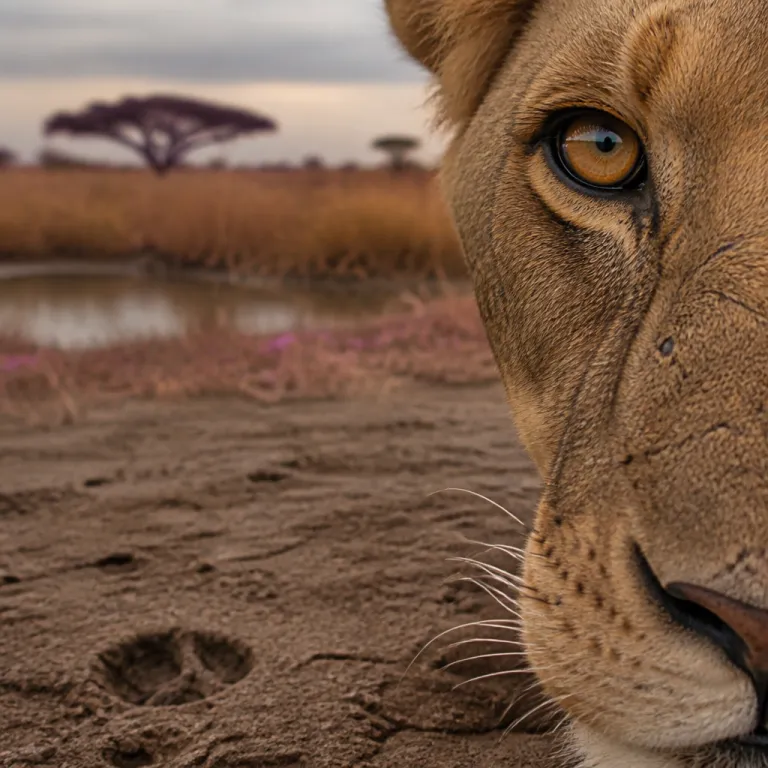
Why September is the insider’s month for Southern Africa
September in Southern Africa sits at the quiet end of the dry season, when the bush thins and every waterhole becomes a stage. For flexible travelers who can move outside school holidays, this is often the best time of the year to secure a September safari Southern Africa shoulder season itinerary that feels unhurried yet still intensely wild. You trade peak season pressure for space, value and some of the best wildlife viewing of the calendar.
Across much of Africa the dry season runs from about May to october, but by september the crowds that chased the great migration north have largely shifted focus. Camps that were full in july and august now slide into shoulder seasons, and the same guides suddenly have more time to linger with you at a sighting rather than race to the next radio call. For couples planning safaris as a romantic escape, that change in pace can be as valuable as any room upgrade.
In south africa the average daytime weather in september hovers around 22 °C, with roughly 30 mm of rain, so mornings are crisp while afternoons are comfortably warm for long game drives. This is the best time to sit at a hide in a national park and watch wildlife filter in, because the dry season has concentrated animals at the last reliable water. Many local tour operators quietly confirm what repeat guests already know ; “Is September a good time to visit Southern Africa? Yes, it offers mild weather and fewer tourists.”
Where to go: smart routes for a September safari
For a September safari Southern Africa shoulder season journey that balances romance and value, start with the Okavango Delta, South Luangwa and south africa’s flagship reserves. In Botswana the africa weather pattern means floodwaters peak earlier in the year, so by september the channels are still full but more islands have dried, opening up extra dry land routes for game drives and walking safaris. This is one of the best times to combine mokoro excursions with classic 4×4 wildlife viewing in a single stay.
Shift east to Zambia’s South Luangwa and you reach the spiritual home of walking safaris, where september is often considered the best time of the year for tracking on foot. The dry season has pared back the vegetation, guides can read the ground like a book, and every bend in the river seems to hold elephants or a pride of lions. For travelers comparing the best countries in Africa to visit for unforgettable safaris, this is where you feel the bush on your skin rather than just through a vehicle window.
Further south, south africa offers a different rhythm, especially if you visit south in a loop that links Kruger National Park, the western cape and the garden route. In Kruger National the central and western sections are superb in september, with thinning grass, reliable wildlife viewing and, in some years, the first wildflowers beginning to colour the landscape. Pair a few nights in a private reserve with time in cape town and the nearby winelands, and you have a shoulder season itinerary that feels indulgent without peak season pricing.
Rates, risks and rewards of the shoulder season
The financial logic of a September safari Southern Africa shoulder season trip is straightforward ; you are buying dry season wildlife at something closer to low season rates. Many camps in south africa and neighbouring countries quietly shift from peak to shoulder season pricing from mid september, just as the main school holiday rush fades. That means better availability in sought after lodges and more flexibility on room categories for couples who book with a bit of foresight.
There are trade offs, and serious travelers should weigh them with the same care they apply to any big ticket travel decision. Some properties close briefly between the end of the dry season and the start of the rainy season for maintenance, and internal flight schedules can thin out compared with the busiest time of the year. In very late september the first storms can arrive earlier than expected, especially in parts of the western cape, though sustained rain usually waits until october or later.
For many guests these are acceptable risks, especially when the reward is quieter wildlife viewing and more time with your guide at each sighting. If you are used to the intense pace of a peak season safari, the slower rhythm of shoulder seasons can feel almost meditative, with fewer vehicles at a leopard or wild dog encounter. It is the same lesson we explore when looking at how coastal disputes shape safari expectations in pieces such as our analysis of what coastal disputes teach your safari dreams ; the best time to visit is rarely the one everyone else chooses by default.
Designing a flexible September itinerary across regions
Building a September safari Southern Africa shoulder season itinerary is about sequencing ecosystems and seasons, not just ticking off parks. Start with the driest areas first, such as Kruger National and the private reserves along its western boundary, where the best time for predator action often coincides with the very end of the dry season. Then move towards regions where the africa weather pattern brings later rains, allowing you to stretch prime wildlife viewing conditions across several weeks.
Couples with two or three weeks can shape a route that begins in south africa, swings through Zambia or Botswana, then finishes with a few days of coastal decompression. A classic pattern is to visit south for Kruger National, the western cape and the garden route, then fly north to connect with East Africa just as its own green season begins. That way you experience the sharp, high contrast light of the Southern African dry season before shifting to softer, rain washed landscapes where the great migration has moved on and rates ease again.
Throughout, think about how you like to travel rather than chasing a theoretical best time to visit that only exists on charts. Self drive safaris in south africa’s national park network work well in september, when roads are dry and daytime weather is settled, while more remote concessions still reward guided safaris with expert trackers. If you are tempted to balance bush with ocean, look at immersive marine adventures such as our Sea of Cortez snorkeling feature for inspiration on how to blend different kinds of wild water into a single time visit strategy.
FAQ
Is September a good time of year for wildlife viewing in Southern Africa ?
September is widely regarded as a good time of the year for wildlife viewing across much of Southern Africa because it falls at the end of the dry season. Vegetation is sparse, water sources are limited and animals concentrate around rivers and pans, which makes sightings more predictable. For many national park areas in south africa, Botswana and Zambia, this is one of the best times to plan safaris before the first significant rains.
How is the weather in south africa in September compared with october or april ?
In south africa the weather in september typically brings mild days around 22 °C and low rainfall, sitting between the cooler winter months and the warmer conditions of october and november. By april the country is moving out of the main rainy season, so you often find greener landscapes but less concentrated wildlife than in late dry season. For a September safari Southern Africa shoulder season trip, expect cool mornings, warm afternoons and generally clear skies, especially away from the western cape coastline.
Are accommodations cheaper in September than in peak season months ?
Many lodges and camps across Southern Africa treat september as part of the shoulder season, so rates often drop compared with peak winter months. Availability usually improves as well, which can translate into better room options or longer stays for the same budget. While prices are not as low as in full low season around march or december, the balance between cost and quality of wildlife viewing is particularly strong.
What are the main risks of traveling in the September shoulder season ?
The main operational risks in september involve slightly reduced internal flight schedules, occasional short closures for lodge maintenance and the small chance of early storms in some regions. Wildlife viewing remains excellent, but very late in the month isolated showers can start to soften the harshest edges of the dry season. For most flexible travelers the benefits of fewer crowds, more attentive guiding and shoulder season pricing outweigh these manageable uncertainties.
How far in advance should I book a September safari in south africa or Botswana ?
For popular areas such as Kruger National, the Okavango Delta or the garden route, booking six to nine months ahead is sensible if you want specific camps or room types. September is less pressured than peak winter, but the best times and properties still fill early with repeat guests who understand the value of this shoulder season window. If you are more flexible on exact locations within a park or region, you can sometimes secure strong options closer to departure, especially with the help of local tour operators.