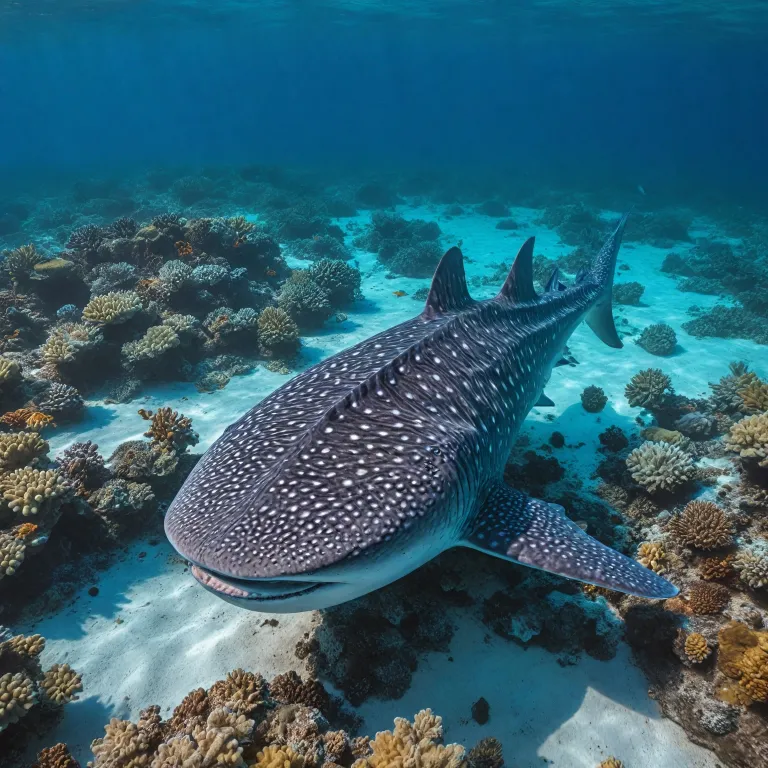
Understanding whale sharks and their global migration patterns
Whale sharks are the largest fish in the ocean, reaching an average length of 12 meters. Their gentle nature and distinctive spotted patterns make them a sought-after highlight for safari and wildlife adventures. These sharks are migratory, traveling vast distances across the globe to feed and breed, which means their presence in specific regions is often seasonal. Knowing where and when to see whale sharks is crucial for planning a responsible and rewarding experience.
The Galapagos Islands are renowned for their rich marine biodiversity, and whale sharks are a regular highlight for divers and snorkelers. In the Galapagos, the best time to spot these gentle giants is during the dry season, when nutrient-rich currents attract them to the islands. Similarly, the Maldives, particularly the south ari atoll and ari atoll, offer exceptional opportunities to swim with whale sharks throughout much of the year. These atolls are famous for their clear waters and healthy plankton populations, which draw in both sharks and travelers alike.
Indonesia's cenderawasih bay is another hotspot, where whale sharks gather in large numbers to feed on small fish and plankton. The bay indonesia region is unique because whale sharks can be seen here almost year-round, making it one of the most reliable destinations for encounters. Understanding these migration patterns is essential for anyone wondering where can you see whale sharks and how to maximize their chances of a memorable sighting.
Top destinations for swimming and snorkeling with whale sharks
For those seeking the thrill of swimming whale sharks, certain destinations stand out for their accessibility and abundance of marine life. Isla Mujeres and isla holbox in Mexico are famous for their whale shark aggregations, particularly between mid-July and August. During this period, hundreds of whale sharks gather in the warm waters off the Yucatán Peninsula, offering unparalleled opportunities for snorkeling and swimming whale experiences.
Donsol bay in the Philippines is another celebrated location, where local tour operators have established ethical guidelines to protect both visitors and the sharks. The best time to visit donsol bay is from November to June, when plankton blooms attract large numbers of whale sharks. In Belize, gladden spit and silk cayes marine reserve is renowned for its seasonal whale shark sightings, especially from March to June, coinciding with the spawning of local fish species.
Mafia island in Tanzania is a lesser-known gem, where whale sharks can be observed from October to March. The island tanzania region offers pristine waters and a tranquil atmosphere, making it ideal for those seeking a more intimate encounter. For more on ethical wildlife experiences, see our guide to responsible marine adventures.
Best practices for ethical whale shark encounters
Ensuring that your whale shark adventure is both safe and sustainable requires careful planning and adherence to ethical guidelines. Book tours with reputable operators who follow strict codes of conduct, such as maintaining a safe distance from the sharks and limiting the number of swimmers in the water. This approach minimizes stress on the animals and preserves the integrity of their habitats.
Snorkeling and diving are the primary methods for observing whale sharks, with most destinations offering both options. While snorkeling is accessible to most visitors, diving with whale sharks can provide a more immersive experience, especially in locations like ningaloo reef in Australia or cenderawasih bay indonesia. Always ensure you are physically fit for these activities and respect local customs and marine life regulations.
Marine conservation organizations play a vital role in protecting whale sharks and educating the public about their importance. Their efforts support local economies through sustainable tourism and help ensure that future generations can enjoy these magnificent creatures. For a deeper dive into conservation efforts, explore our article on marine wildlife protection initiatives.
Seasonal timing: when and where to see whale sharks
Timing is everything when planning a trip to see whale sharks. In Mexico, the peak season runs from mid-July to August, with isla mujeres, isla holbox, and the surrounding bay areas hosting large aggregations. Belize’s gladden spit is best visited from March to June, while Honduras offers sightings from March to May. Mozambique’s whale shark season extends from October to March, making it a prime destination for southern hemisphere travelers.
Thailand’s national park regions, such as Koh Tao and the Similan Islands, see whale sharks from April to June. The Maldives, particularly the south ari atoll and ari atoll maldives, provide year-round opportunities, though sightings are most frequent from August to November. Indonesia’s cenderawasih bay is unique for its consistent whale shark presence, allowing for flexible travel planning.
Understanding the migration patterns and seasonal behaviors of whale sharks is key to maximizing your chances of a successful encounter.
Essential gear and preparation for whale shark adventures
Proper preparation enhances both safety and enjoyment during whale shark excursions. Snorkeling gear, including a well-fitting mask, snorkel, and fins, is essential for most locations. For those interested in diving, certified scuba equipment and training are required, especially in deeper waters like the galapagos islands or ningaloo reef. Lightweight wetsuits can provide comfort and protection from the sun and jellyfish.
Boat tours are the standard method for reaching whale shark hotspots, with many operators offering half-day or full-day excursions. It is important to choose boats that adhere to sustainable tourism practices, such as using eco-friendly engines and minimizing waste. Always listen to your guides and follow their instructions to ensure a safe and respectful experience for both you and the sharks.
Physical fitness is important, as swimming with whale sharks can be demanding, especially in open water. Hydrate well, apply reef-safe sunscreen, and bring a waterproof camera to capture your memories. Respect for the environment and local regulations is paramount, ensuring that your adventure supports conservation efforts and local communities.
Conservation, community, and the future of whale shark tourism
Whale shark tourism has the potential to drive positive change for both marine ecosystems and local economies. By promoting eco-tourism and supporting marine conservation organizations, travelers contribute to the protection of these gentle giants and their habitats. Local communities benefit from sustainable tourism, which provides jobs and encourages the preservation of natural resources.
Innovation in sustainable tourism practices, such as limiting visitor numbers and implementing strict guidelines, helps minimize environmental impact. Marine conservation groups work tirelessly to monitor whale shark populations and educate the public about their importance. As interest in whale shark encounters grows, it is essential to balance tourism with the needs of the species and their ecosystems.
To ensure your experience is ethical, remember this expert advice: "Choose operators that follow guidelines to minimize stress on the animals, such as maintaining a safe distance and limiting the number of swimmers." This approach safeguards both the sharks and the future of wildlife adventures worldwide.
Key statistics about whale sharks and their habitats
- Average length of whale sharks: 12 meters
- Estimated global population: 7,000 individuals
Frequently asked questions about whale shark encounters
Are whale sharks dangerous to humans?
No, whale sharks are gentle giants and pose no threat to humans.
Do I need to be a certified diver to swim with whale sharks?
Not necessarily; many locations offer snorkeling opportunities suitable for non-divers.
How can I ensure my whale shark encounter is ethical?
Choose operators that follow guidelines to minimize stress on the animals, such as maintaining a safe distance and limiting the number of swimmers.
Trusted sources: Marine Conservation Institute, IUCN Red List, local marine conservation organizations.