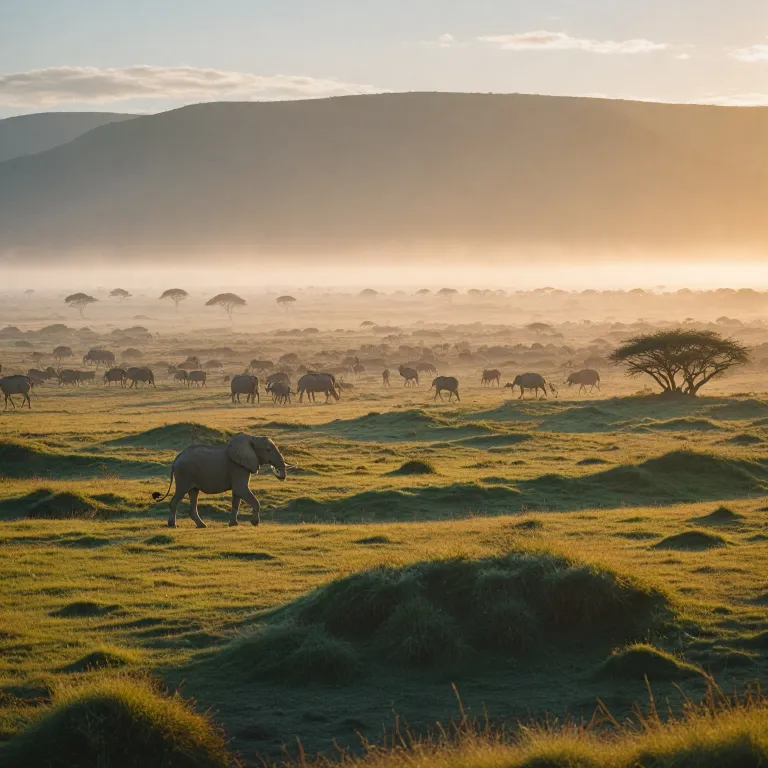
Understanding official Ngorongoro Conservation Area fees for safari planning
Planning a Tanzania safari around Ngorongoro starts with understanding the official fee structure. The Ngorongoro Conservation Area Authority manages this unique conservation area and sets the park fees that every person must pay in USD or Tanzanian shillings. Knowing how each fee applies per person per day helps you estimate the real safari cost before you even book accommodation or transport.
For non East African visitors, the core entrance fees to the Ngorongoro Conservation Area are charged per person per 24 hour period. Adults pay 70.80 USD while children between five and fifteen years pay 23.60 USD, and children under five enter free of charge. East African citizens benefit from significantly lower entrance fees in Tanzanian shillings, which reflects national policy to keep access to national parks and conservation areas affordable for residents.
These entrance fees apply whether you stay inside park boundaries or overnight outside the gate in nearby lodges or camps. The fee is always calculated per person per day, so a two night stay automatically means paying three separate 24 hour periods. When travellers compare safari cost between Ngorongoro and other Tanzania national parks, they should always check whether quoted prices already include entrance fees or list them as an additional line.
Vehicle related costs are another essential part of Ngorongoro conservation budgeting. Foreign registered vehicles up to 2,000 kilograms pay 40 USD per entry, with higher fees for heavier vehicles and specialist safari trucks. Many safari companies include these vehicle charges in their package rates, but independent travellers using car rental services must budget for each vehicle fee separately.
Ngorongoro Crater descent, conservation priorities, and park fee transparency
Beyond the standard entrance fees, the Ngorongoro Crater descent charge is one of the most significant costs in this conservation area. Every non East African vehicle pays a Crater Service Fee of 295 USD per descent, regardless of how many people are inside the car. East African registered vehicles pay a much lower crater fee in Tanzanian shillings, which again reflects national conservation policy.
This Crater Service Fee is paid in addition to the normal conservation area entrance fees for each person. Many travellers are surprised that the crater fee is charged per vehicle per descent, so a second descent on another day doubles this part of the safari cost. For that reason, most safari companies and guides recommend planning one carefully timed crater game drive, often very early in the morning when wildlife viewing is at its best.
The Ngorongoro Conservation Area Authority explains that these park fees directly support conservation and community projects. Revenue from every person day inside park boundaries contributes to anti poaching patrols, road maintenance, ranger salaries, and support for Maasai communities who live within the conservation area. This link between what visitors pay in USD and what happens on the ground in Tanzania national parks is central to responsible travel.
To improve transparency, the authority publishes official fee tables and updates them through its website and press releases. “Confirm the latest fees before planning your visit.” This advice is particularly important for travellers comparing a Tanzania safari that combines Ngorongoro, Serengeti, and other national parks, because each park has its own entrance fees, vehicle charges, and activity supplements.
Payment methods, official channels, and avoiding unnecessary safari costs
When you arrive at the Ngorongoro gate, you cannot pay park fees in cash, even in USD. Instead, the authority accepts international credit cards such as Visa and MasterCard, or CRDB bank prepaid cards that you can load with funds before entering the conservation area. This digital system reduces fraud risk and ensures that every fee paid by each person is recorded accurately for conservation accounting.
Travellers booking through established safari companies usually have these costs bundled into their overall safari cost. In that case, the operator pays the entrance fees, crater fee, and vehicle charges directly to the authority, while you simply show your passport at the gate. Independent visitors using car rental services must handle each payment themselves, which makes it essential to understand the exact park fees and the total cost per person per day.
Always pay USD denominated fees through official channels at the gate or via the online system promoted by the Ngorongoro Conservation Area Authority. This protects you from unofficial intermediaries who might offer to handle payments but charge inflated fees or use incorrect exchange rates. The same principle applies across Tanzania national parks, where only official payment points and verified banking partners should be used.
Because entrance fees and crater charges are calculated per person and per vehicle, even small itinerary changes can affect your overall safari Tanzania budget. Adding an extra night inside park boundaries, for example, means another 24 hour entrance period for every person in your group. Careful planning with your guide or tour planner helps you balance time in Ngorongoro with days in Serengeti or other parks, while keeping the total safari cost under control.
Comparing Ngorongoro with Serengeti and other Tanzania national parks
Many travellers combine Ngorongoro with Serengeti and other Tanzania national parks in a single itinerary. When comparing options, it is important to look beyond headline safari prices and examine how each operator handles park fees and conservation charges. Some packages include every entrance fee, crater descent, and vehicle charge, while others list these items separately in USD to keep the base price lower.
Ngorongoro conservation rules differ from those in Serengeti National Park and other national parks. Ngorongoro is a multiple use conservation area where Maasai communities live alongside wildlife, while Serengeti is a classic national park with stricter rules about permanent settlements. These differences influence how revenue from each person day is allocated between conservation, infrastructure, and community support.
When you evaluate safari companies, ask them to break down the safari cost into accommodation, park fees, crater fee, and transport. A mid range lodge or tented camp inside park boundaries will usually carry higher park related charges than a similar standard outside the gate. However, staying inside park areas can reduce driving time, increase wildlife viewing opportunities, and sometimes lower vehicle costs because you avoid repeated gate crossings.
Travellers interested in marine wildlife sometimes extend their trip beyond the northern circuit. For example, you might pair a classic Tanzania safari with coastal experiences such as snorkeling with whale sharks near the islands. Combining parks, coast, and cultural visits requires careful budgeting, but understanding how each conservation area structures its fees makes those decisions clearer.
Accommodation choices, safari styles, and how they influence total fees
Your choice of accommodation around Ngorongoro has a direct impact on how many entrance fees you pay. Staying inside park boundaries usually means paying for every person day continuously, while sleeping outside the conservation area can sometimes reduce the number of 24 hour periods charged. However, driving in and out of the gate each day may increase vehicle time and reduce your hours inside the crater or on the rim.
Mid range travellers often choose comfortable lodges on the crater rim or in nearby highland villages. These options balance cost and access, allowing you to enjoy excellent views and quick access to the crater floor without the premium rates of ultra luxury safari properties. Budget safari guests may opt for simpler guesthouses or camps further from the gate, accepting longer drives in exchange for lower nightly accommodation costs.
Luxury safari travellers typically stay in high end lodges or tented camps either on the rim or within the wider conservation area. For them, the overall safari cost is driven more by accommodation than by park fees, although the crater descent fee and entrance charges still apply to every person. In all cases, it is wise to ask your operator whether quoted prices include park fees, crater fee, and any supplements for walking safari activities.
Some visitors choose to spend more nights in Serengeti and fewer around Ngorongoro to balance costs. Others prioritise the crater experience and accept higher per day fees in exchange for intense wildlife viewing in a compact area. By comparing different safari Tanzania itineraries, you can decide how many nights in each park will deliver the best value for your interests and budget.
Activities, walking safaris, and practical tips for managing Ngorongoro fees
Beyond game drives into the Ngorongoro Crater, the conservation area offers a range of activities that carry their own fees. Walking safari experiences, for example, require special permits, armed rangers, and sometimes additional vehicle support. These activities are usually charged per person per day in USD, on top of the standard entrance fees and any crater related costs.
Filming and professional photography also have dedicated fee structures within the conservation area. For certain categories of filming, the authority charges 100 USD per person per day, which includes the basic entry fee but not the crater descent fee. Travellers planning commercial projects should contact the Ngorongoro Conservation Area Authority in advance to clarify all applicable park fees and obtain written permission.
To keep your safari cost under control, plan your person day schedule carefully with your guide. If you enter the park in the afternoon, for example, your 24 hour period runs until the same time the next day, which can be used strategically to fit both a crater drive and a rim walk. This approach applies across Tanzania national parks, where understanding how entrance fees are calculated helps you avoid paying for unused hours.
Finally, remember that every USD you pay in official fees supports long term conservation in one of Africa’s most important wildlife landscapes. The Ngorongoro conservation model depends on visitors who respect regulations, use authorised safari companies or reputable car rental services, and follow ranger guidance during game drives and walking safari excursions. By aligning your travel plans with these principles, you help ensure that Ngorongoro, Serengeti, and other national parks remain thriving habitats for generations of travellers and wildlife alike.
Key statistics about Ngorongoro Conservation Area
- Annual visitors to the Ngorongoro Conservation Area are approximately 600,000 people, according to the latest authority report.
- The total surface of the Ngorongoro Conservation Area covers about 8,292 square kilometres of protected land.
Essential FAQs about Ngorongoro Conservation Area fees
What are the entrance fees for the Ngorongoro Conservation Area in 2025?
For non-East African citizens aged 16 and above, the fee is $70.80 per person per 24-hour period. Children aged 5 to 15 years pay $23.60. East African citizens aged 16 and above pay TZS 11,800, while children aged 5 to 15 years pay TZS 2,360, and children under 5 years enter free.
Is there an additional fee to descend into the Ngorongoro Crater?
Yes, there is a Crater Service Fee of $295 per vehicle per descent for non-East African citizens. East African citizens pay TZS 11,800 per vehicle per descent. This fee is charged on top of the standard conservation area entrance fees.
Are there any fees for vehicles entering the Ngorongoro Conservation Area?
Yes, vehicle entry fees vary based on the vehicle's tare weight and registration. For example, foreign-registered vehicles with a tare weight up to 2,000 kg are charged $40 per entry. Heavier vehicles and specialist safari trucks pay higher fees according to the official tariff.
Trustful expert sources
- Ngorongoro Conservation Area Authority (official website and fee tables)
- Tanzania National Parks Authority (general regulations and park information)
- Ministry of Natural Resources and Tourism, United Republic of Tanzania