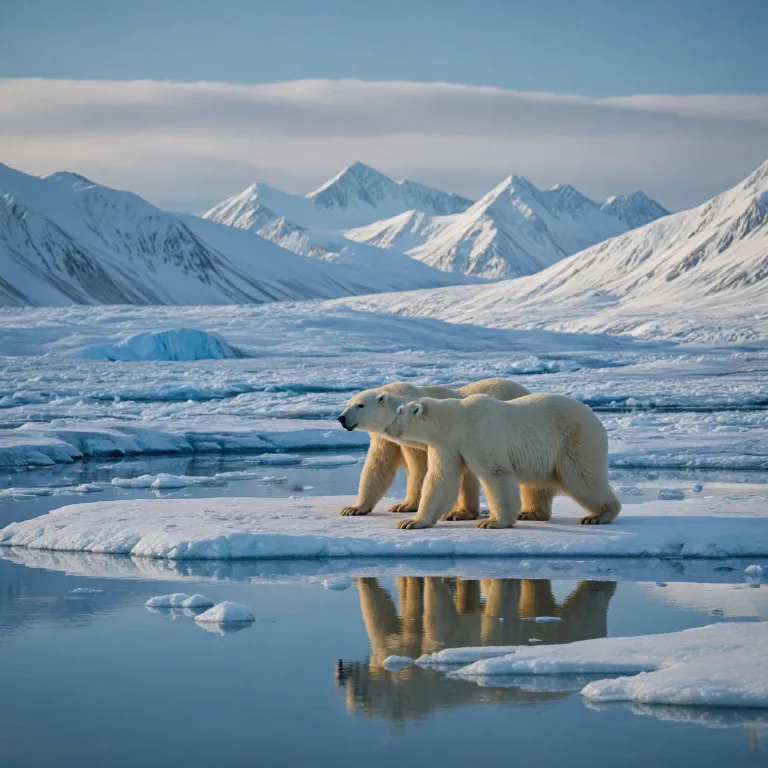
Understanding polar bear tours in Alaska: A journey into the Arctic wild
Polar bear tours in Alaska offer a rare opportunity to witness the power and grace of bears in their natural habitat. The region around Kaktovik, situated on Barter Island along the Arctic Ocean, has become renowned for polar bear viewing due to its unique geography and wildlife refuge status. During the late summer to early fall, polar bears gather near the village of Kaktovik, drawn by the remains of subsistence whale hunts. This congregation provides one of the best places for observing polar bears in the wild, with daily sightings often reaching up to 20 bears. The Arctic National Wildlife Refuge and its surrounding areas serve as a sanctuary for these magnificent animals, making every tour a profound wildlife experience. Weather and Arctic conditions can change rapidly, so dressing in layers and preparing for variable weather is essential for all visitors. The Alaska Department of Fish and Game, along with the U.S. Fish and Wildlife Service, regulate these tours to ensure both safety and conservation. Every tour is designed to minimize impact on the bears’ natural habitat, emphasizing responsible wildlife viewing and education.
Planning your polar bear adventure: Timing, logistics, and best practices
For those seeking the best polar bear tours Alaska has to offer, timing is crucial. The optimal period for bear viewing is from late August to late September, when the ice-free Arctic Ocean brings polar bears ashore near Kaktovik. Tour operators, often working with local Inupiat guides and wildlife biologists, provide both boat-based and land-based viewing experiences. These tours allow visitors to view and photograph polar bears from a safe distance, using binoculars and telephoto lenses to capture the essence of the Arctic. Booking well in advance is highly recommended due to limited availability and the short viewing season. Anchorage and Fairbanks serve as primary gateways for travelers, with connecting flights to the remote village of Kaktovik. Safety is paramount; all participants must follow the guidance of experienced guides and adhere to strict protocols. As one expert notes, "Always maintain a safe distance, follow the guidance of experienced guides, and adhere to all safety protocols to ensure both human and bear safety." For more insights on Arctic travel logistics, explore our comprehensive Alaska travel planning guide.
Immersive experiences: Boat tours, land excursions, and wildlife encounters
Boat tours along the Arctic Ocean provide a unique vantage point for observing polar bears as they traverse the shoreline and swim between ice floes. These bears are often seen resting, playing, or searching for food, offering unparalleled opportunities for bear viewing and photography. The use of eco-friendly boats ensures minimal disturbance to the bears’ natural habitat, aligning with the goals of sustainable tourism. On land, guided excursions near known gathering sites allow visitors to witness the daily lives of polar bears up close, while maintaining a respectful distance. The village of Kaktovik is central to these experiences, with local guides sharing their deep knowledge of bear behavior and Arctic conditions. The Arctic National Wildlife Refuge, encompassing vast tundra and coastline, supports a rich diversity of wildlife beyond polar bears, including arctic foxes and migratory birds. For those interested in the broader scope of Arctic adventures, our wildlife adventure resource offers detailed information on additional viewing opportunities.
Photography tips: Capturing polar bears in their natural Arctic habitat
Photographing polar bears in Alaska requires preparation and patience. The best photographs are often taken during the soft light of early morning or late afternoon, when the Arctic landscape glows with subtle hues. Using a telephoto lens allows for close-up shots without disturbing the bears, while binoculars enhance the viewing experience. Weather conditions can shift quickly, so waterproof gear and protective clothing are essential for both equipment and personal comfort. The dynamic environment of the Arctic National Wildlife Refuge offers ever-changing backdrops, from icy waters to windswept tundra. Guides provide valuable advice on the best places and times for bear viewing and photography, ensuring safety and respect for wildlife. The opportunity to view and photograph polar bears in their natural habitat is a highlight of any tour, creating lasting memories and fostering a deeper appreciation for Arctic wildlife. For those seeking to enhance their skills, workshops and guided sessions are often available as part of the tour experience.
Environmental stewardship: Conservation, community, and responsible tourism
Polar bear tours Alaska are more than just wildlife encounters; they are a testament to the importance of conservation and community engagement. The presence of visitors supports local economies, particularly in the village of Kaktovik, while raising awareness about the challenges facing polar bears and their Arctic environment. Climate change and shifting ice conditions have heightened concerns for the future of polar bears, making responsible tourism practices essential. Tour operators collaborate with regulatory authorities and local communities to ensure that all activities prioritize the well-being of bears and the preservation of their habitat. The use of eco-friendly boats, adherence to strict viewing guidelines, and educational outreach are all integral to the success of these tours. The Alaska Department of Fish and Game and the U.S. Fish and Wildlife Service play key roles in managing wildlife resources and issuing permits, ensuring that every tour aligns with conservation objectives.
Preparing for your journey: Practical advice for Arctic travel
Traveling to Alaska’s Arctic for polar bear tours requires careful preparation. Weather conditions can be unpredictable, with temperatures fluctuating and sudden changes in wind or precipitation. Dressing in layers, including thermal and waterproof clothing, is essential for comfort and safety. Packing binoculars, camera equipment, and protective cases ensures readiness for both viewing and photographing polar bears. It is advisable to book tours well in advance, as the short season and limited capacity make availability competitive. Anchorage and Fairbanks offer the most convenient access points, with charter flights connecting to Kaktovik. Visitors should familiarize themselves with the guidelines provided by tour operators and regulatory agencies, prioritizing safety and respect for wildlife at all times. The experience of viewing polar bears in their natural Arctic habitat is both exhilarating and humbling, offering a profound connection to one of the world’s most iconic species. By following best practices and supporting responsible tourism, travelers contribute to the ongoing protection of Alaska’s bears and the unique environment they call home.
Key statistics on polar bear tours and wildlife in Alaska
- Estimated polar bear population in the Southern Beaufort Sea: 900 bears
- Average number of polar bears observed during peak viewing season: 20 bears per day
Frequently asked questions about polar bear tours in Alaska
When is the best time to see polar bears in Alaska?
The optimal time is from late August to late September, when bears are more likely to be onshore near Kaktovik.
Are polar bear tours currently available in Alaska?
As of February 2026, many tour operators have suspended polar bear viewing tours due to regulatory and environmental considerations. It's advisable to check with individual operators for the most current information.
What safety precautions should be taken during polar bear tours?
Always maintain a safe distance, follow the guidance of experienced guides, and adhere to all safety protocols to ensure both human and bear safety.