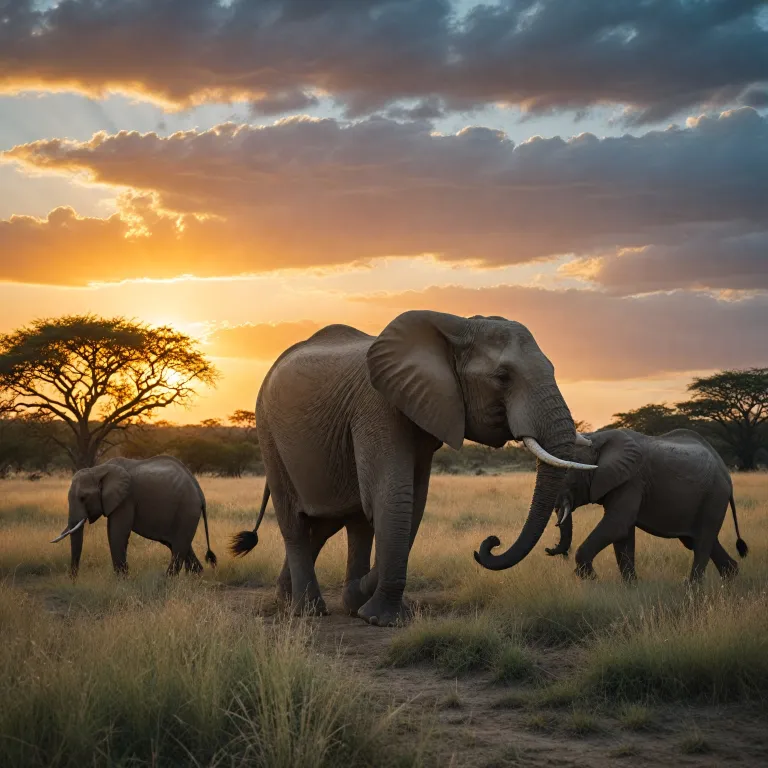
Mastering camera settings for wildlife photography on safari
Wildlife photography on safari demands a deep understanding of your camera and its settings. The right camera, paired with a high-quality lens, is crucial for capturing sharp images of animals in their natural habitats. Adjusting the aperture, shutter speed, and ISO allows you to adapt to changing light conditions and the unpredictable movement of wildlife. A fast shutter speed is essential for freezing action, especially when animals are on the move during a game drive. Telephoto lenses with a focal length of at least 200mm are recommended, as they let you photograph animals from a safe distance without disturbing them. As one expert notes, "A telephoto lens with a focal length of at least 200mm is recommended to capture detailed images from a distance." This advice is echoed by many wildlife photographers who rely on long focal lengths and zoom lenses to get closer to their subjects while maintaining safety and respect for the animals.
Understanding the depth of field is equally important. A wide aperture creates a shallow depth field, helping to isolate your subject from the background and draw attention to the animal. In low light, increasing the ISO and using a wider aperture can help maintain faster shutter speeds, reducing motion blur. Many wildlife photographers also recommend using a bean bag or tripod for stability, especially when shooting with heavy telephoto lenses from a safari vehicle. "Using a bean bag or tripod can help stabilize your camera, especially when shooting from a vehicle," is a practical tip that can make a significant difference in image sharpness. Experiment with different camera settings before your safari to become comfortable with your equipment and ready for any situation.
Choosing the best lenses and focal lengths for safari photography
Selecting the right lenses is one of the most important wildlife photography safari tips. Telephoto lenses, particularly those with focal lengths of 300mm or more, are ideal for capturing detailed photos of animals from a distance. Zoom lenses offer flexibility, allowing you to adjust your composition quickly as wildlife moves through the landscape. Many professionals carry both a telephoto lens and a versatile zoom lens to cover a range of focal lengths and subjects. The best lens for your safari will depend on the types of animals you hope to photograph and the environments you will encounter.
Prime lenses with wide apertures are excellent for low light conditions, such as early morning or late afternoon game drives. These times, known as the golden hours, provide soft, warm light that enhances the colors and textures of your photos. "Early morning and late afternoon, known as the golden hours, provide soft, warm light and increased animal activity." This is a key consideration for safari photography, as the quality of light can make or break a shot. When packing your camera gear, remember to bring protective covers for your lenses and camera body to shield them from dust and moisture.
Composing compelling wildlife photos using the rule of thirds
Composition is a fundamental aspect of wildlife photography, and the rule of thirds is a powerful tool for creating visually engaging images. By placing your subject off-center, you create a sense of movement and balance that draws the viewer’s eye into the photo. This technique is especially effective when photographing animals in action or interacting with their environment. Use your camera’s grid lines to help align your subject along the intersecting points, enhancing the overall impact of your photos.
Consider the background and foreground when composing your shot. A cluttered background can distract from the main subject, while a clean, blurred background achieved with a wide aperture and shallow depth field helps the animal stand out. Pay attention to the direction of light and the animal’s gaze, as these elements can add depth and emotion to your images. Practicing these photography tips will help you create memorable safari photos that tell a story.
Maximizing light and timing for better wildlife images
Light is one of the most critical elements in wildlife photography, and understanding how to use it effectively can elevate your safari photos. The best time for wildlife photography is during the first two hours after sunrise and the last two hours before sunset. During these periods, the light is soft and golden, reducing harsh shadows and highlighting the textures of animals’ fur and feathers. This is also when wildlife is most active, increasing your chances of capturing dynamic behavior and interactions.
In low light conditions, such as early morning or late evening, adjust your camera settings to maintain image quality. Increase your ISO, open your aperture, and use slower shutter speeds if necessary, but be mindful of camera shake. A tripod or bean bag can provide stability, especially when using long telephoto lenses. Experiment with backlighting and side lighting to create dramatic silhouettes or emphasize the contours of your subject. Remember, patience is key—waiting for the right light and the perfect moment will result in better photos and a more rewarding safari photography experience.
Essential gear and preparation for a successful photography safari
Preparation is vital for a successful wildlife photography safari. Start by packing light, moisture-wicking clothing in neutral colors to blend into the environment and avoid startling animals. Bring sufficient memory cards and batteries, as opportunities for recharging may be limited during long game drives. Protect your camera, lenses, and other equipment with weather-resistant covers to guard against dust and moisture, which are common in African safari environments.
Choose a camera with fast autofocus and high burst rates to capture fleeting moments. Telephoto lenses, zoom lenses, and a sturdy camera lens are essential for photographing distant wildlife. A bean bag or tripod will help stabilize your camera, especially when shooting from a moving vehicle. Don’t forget lens cleaning kits, as dust can quickly accumulate on your gear. Being well-prepared ensures you can focus on the creative aspects of safari photography and make the most of every opportunity.
Ethical practices and conservation in wildlife photography safaris
Ethical wildlife photography is essential for the well-being of animals and the preservation of their habitats. Always respect the boundaries set by your safari guide and avoid disturbing wildlife for the sake of a photo. Use telephoto lenses and zoom lenses to maintain a safe distance, allowing animals to behave naturally. Support local tour operators and conservation organizations that prioritize sustainable tourism and wildlife protection.
Wildlife photographers play a vital role in raising awareness about conservation through visual storytelling. By sharing your best photos and experiences, you can inspire others to appreciate and protect Africa’s rich biodiversity. Remember, the goal of safari photography is not only to capture stunning images but also to contribute to the long-term survival of wildlife and their ecosystems. Practicing responsible photography ensures that future generations can enjoy the wonders of an African safari and the thrill of photographing wild animals in their natural environment.
Key statistics for wildlife photography safari tips
- Average focal length recommended for wildlife photography: 300 mm
- Optimal times for wildlife activity: 2 hours after sunrise and before sunset
Frequently asked questions about wildlife photography safari tips
What is the best lens for wildlife photography on safari?
A telephoto lens with a focal length of at least 200mm is recommended to capture detailed images from a distance.
How can I stabilize my camera during a safari?
Using a bean bag or tripod can help stabilize your camera, especially when shooting from a vehicle.
What are the best times of day for wildlife photography?
Early morning and late afternoon, known as the golden hours, provide soft, warm light and increased animal activity.
References: African Wildlife Foundation, National Geographic, PhotographyAxis