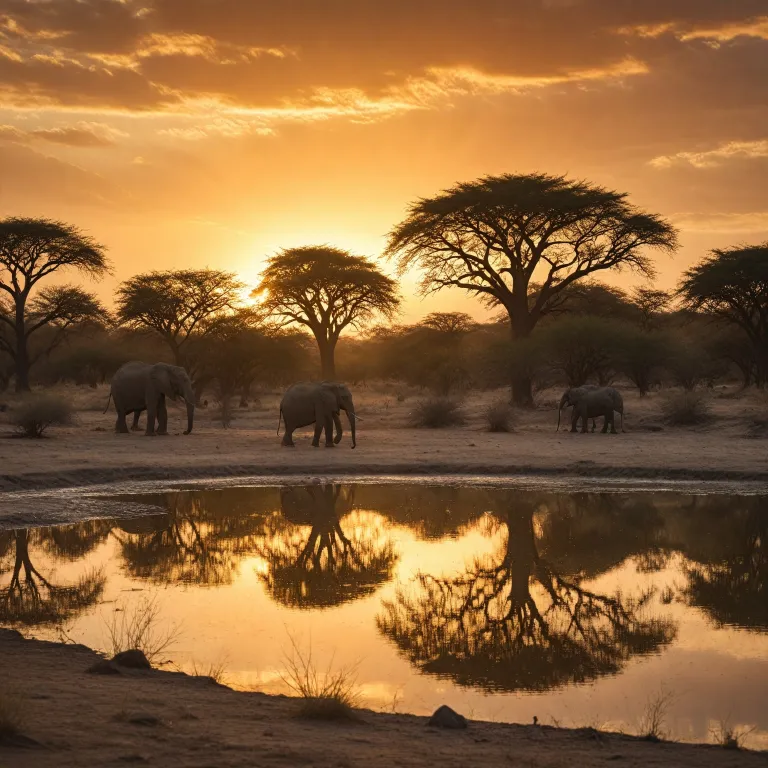
Ruaha game park as Tanzania’s untamed safari frontier
Ruaha game park stands apart as Tanzania’s largest protected national area, a vast wilderness where the human footprint feels remarkably light. This immense national park stretches across 20 226 km² of rugged escarpments, open plains, and ancient baobab forests that frame every safari. Within this remote corner of southern Tanzania, the park shelters an extraordinary density of wildlife and some of the most rewarding game viewing in East Africa.
Administered by the Tanzania National Parks Authority, Ruaha national park was created to safeguard a mosaic of habitats and the wildlife that depends on scarce water sources. Over time the park expanded to absorb the former Usangu game reserve, strengthening protection for migratory routes and the great Ruaha river floodplains. This integration of landscapes has made the wider park Ruaha ecosystem a critical refuge for elephants, predators, and more than 571 bird species that thrive in this southern region.
Travelers usually reach the national park by small aircraft that fly in from Dar es Salaam or Arusha, landing on gravel airstrips close to camps. The journey from Dar es Salaam by road via Iringa is possible, yet the long distance and rough surfaces make flying preferable for most safaris. Once inside the park, guests settle into intimate camps and a river lodge positioned along the Ruaha river or seasonal sand rivers, where wildlife Ruaha sightings often begin right from the veranda.
Ruaha’s remoteness means visitor numbers remain low compared with northern national parks, which enhances the sense of exclusivity. Game drives can continue for hours without encountering another vehicle, allowing unhurried time with lion prides or elephant herds. For travelers seeking a safari Ruaha experience that feels authentically wild yet professionally guided, this national area offers an excellent balance.
Landscapes, rivers, and the rhythm of the dry season
The defining lifeline of Ruaha game park is the great Ruaha river, which carves a broad corridor through the national landscape. During the dry season, this river and a handful of remaining water sources become magnets for wildlife Ruaha wide. Elephants, buffalo, kudu, and impala descend dusty slopes to drink, while lions and leopards wait in the shade of riverine trees that line the banks.
Alongside the great Ruaha, smaller channels such as the Mwagusi and Mdonya rivers shape the park Ruaha scenery with sandy beds and sculpted pools. In the wet months these rivers swell, feeding the wider national park and sustaining grasslands that later support intense game viewing. As the water recedes, the landscape transforms into a classic southern Tanzania dry season arena, where every safari day feels charged with anticipation.
Many camps and a flagship river lodge sit on bends of the Ruaha river, giving guests front row seats to this seasonal drama. Hippos grunt below the decks, crocodiles bask on exposed sandbanks, and giraffes move in slow procession across the floodplain area. From these camps, guides lead morning and afternoon game drives that trace the river courses and fan out into the surrounding plains in search of predators and large herds.
Ruaha national park’s varied terrain also includes miombo woodland, rocky kopjes, and open savanna, each supporting different wildlife communities. This diversity makes the national area particularly rewarding for longer safaris of several days, as no two drives feel alike. For travelers interested in ecological detail, the contrast between riverine corridors and upland woodland offers an excellent field lesson in how Africa’s game reserves function.
For readers curious about ecological cycles beyond a single safari, a deeper reflection on the journey of animals after death can enrich understanding of life and loss in Ruaha. Even the insect life around the riverbanks, from dragonflies to carnivorous plants in wetter fringes, echoes broader themes of adaptation that specialists also explore when discussing optimal feeding with live insects in controlled environments.
Wildlife, predators, and exceptional game viewing
Ruaha game park is renowned among biologists and guides for its powerful predator dynamics and broad spectrum of wildlife. The national park holds an estimated ten percent of the world’s remaining wild lions, a statistic that underscores its global conservation importance. Large prides patrol the river corridors and open plains, often shadowing the movements of buffalo herds that roam the southern Tanzania landscape.
Alongside lions, visitors frequently encounter leopards, cheetahs, and spotted hyenas during game drives that crisscross the park Ruaha interior. The mix of open grassland and broken woodland creates ideal hunting grounds for these carnivores, while rocky outcrops provide vantage points for scanning the area. For many travelers, the combination of predator sightings and vast, uncluttered scenery defines the safari Ruaha experience.
Elephants are another emblematic presence in Ruaha national park, moving in family groups between water sources and feeding grounds. During the dry season, these herds concentrate along the great Ruaha river, sharing the banks with giraffes, zebras, and numerous antelope species. Birdlife is equally impressive, with more than 571 recorded species making the national area a magnet for ornithologists and keen photographers.
Because Ruaha sits within a broader network of national parks and game reserve areas in East Africa, it plays a strategic role in regional conservation. Nyerere national park to the east, for example, forms part of a vast southern Tanzania wilderness that complements Ruaha’s drier habitats. Travelers interested in ethical wildlife experiences can learn more about best practice through guidance on ethical wildlife tourism safaris, then apply those principles when planning multi park safaris.
Guides in Ruaha national park often emphasize that “Best visited during the dry season (June to October) for optimal wildlife viewing.” This advice reflects decades of field experience and aligns with the behavior of animals that cluster around shrinking water sources. For travelers seeking excellent game viewing with minimal vehicle congestion, Ruaha’s predator rich ecosystem offers one of Africa’s most compelling safari stages.
Walking safaris, river lodges, and life in camp
Beyond vehicle based game drives, Ruaha game park is one of Tanzania’s finest settings for guided walking safaris. In selected areas of the national park, highly trained walking guides and armed rangers lead small groups along riverbanks and through open woodland. These walking safaris focus on tracks, scents, and subtle signs of wildlife Ruaha wide, offering a slower and more intimate perspective on the ecosystem.
Safety protocols are rigorous, with routes chosen to avoid unnecessary disturbance to big game while still allowing thrilling encounters at respectful distances. Guests learn how elephants use the great Ruaha river as a navigation landmark, how predators move between cover, and how smaller creatures exploit water sources. This educational emphasis reflects the Tanzania National Parks Authority’s commitment to eco tourism and community supported conservation.
Accommodation in Ruaha national park ranges from simple seasonal camps to more permanent camps and a river lodge overlooking key stretches of the Ruaha river. Many camps operate on solar power, use boreholes or carefully managed water sources, and employ staff from nearby communities around Iringa and other settlements. Evenings in camp are typically spent around the fire, listening to lions calling across the area and discussing the day’s sightings with expert guides.
Because Ruaha sits in southern Tanzania, far from the busier northern national parks, camp life feels particularly tranquil and unhurried. Guests often stay several days to fully appreciate the changing light, shifting wildlife patterns, and the rhythm of the river. For travelers comparing different game reserve experiences in East Africa, Ruaha’s blend of walking safaris, river based camps, and low visitor density offers an excellent alternative to more crowded circuits.
Many operators also coordinate logistics so guests can fly between Ruaha national park, Nyerere national park, and coastal areas near Dar es Salaam with minimal transit time. This connectivity allows travelers to combine intense game viewing with time on the Indian Ocean, while still supporting conservation focused camps in the interior. Throughout these journeys, the emphasis remains on respectful wildlife encounters and a deep appreciation of Africa’s remaining wild spaces.
Planning your safari: routes, seasons, and length of stay
Thoughtful planning is essential to make the most of a safari Ruaha itinerary, given the park’s size and remoteness. Most travelers begin or end their journey in Dar es Salaam, using scheduled light aircraft flights to reach airstrips inside Ruaha national park. This approach reduces long road transfers through Iringa and maximizes time in camp, where game viewing opportunities are concentrated.
The widely recommended time visit Ruaha is during the dry season, when vegetation thins and animals congregate around the great Ruaha river and remaining water sources. From roughly mid year into the later dry months, predators and prey share the same shrinking pools, creating intense wildlife Ruaha encounters. However, the green season also has appeal for birdwatchers and photographers who appreciate dramatic skies, fewer vehicles, and lush scenery across the national area.
Given the park Ruaha scale, a stay of at least four to five days is advisable, with longer safaris offering clear benefits. Splitting time between different camps or a combination of a river lodge and inland camp allows guests to experience varied habitats. Some itineraries pair Ruaha with Nyerere national park or other southern Tanzania game reserve areas, creating a comprehensive southern circuit that rivals northern national parks.
Travelers should also consider their preferred balance between game drives and walking safaris when choosing camps. Certain camps specialize in walking, while others focus on extended vehicle based exploration of the national park’s more distant corners. Discussing expectations with a trusted safari planner helps align camp selection, number of days, and seasonal timing with personal interests.
Finally, it is worth noting that Ruaha’s remoteness contributes to its excellent sense of wilderness but also requires logistical care. Flights can be weather dependent, and baggage limits on small aircraft are strict, so packing light and using soft bags is essential. With realistic expectations and a well structured itinerary, a safari Ruaha journey can become one of Africa’s most rewarding wildlife experiences.
Conservation, communities, and the wider southern Tanzania context
Ruaha game park exists not only as a premier safari destination but also as a cornerstone of conservation in southern Tanzania. The Tanzania National Parks Authority oversees anti poaching units, research programs, and community engagement initiatives that extend beyond the national park boundaries. These efforts aim to protect wildlife Ruaha wide while also supporting livelihoods in surrounding villages, particularly in the Iringa region.
Historically, the incorporation of the former Usangu game reserve into Ruaha national park strengthened protection for wetlands and seasonal floodplains. This expansion secured crucial water sources for both wildlife and downstream communities, reinforcing the ecological value of the great Ruaha river. Today, ongoing monitoring of elephant movements, predator populations, and vegetation change helps managers adapt strategies across the wider national area.
Ruaha’s role within a broader network of national parks and game reserve landscapes in East Africa is increasingly recognized. To the east, Nyerere national park and adjacent protected areas form one of the continent’s largest continuous wildlife strongholds. Together, these southern Tanzania reserves provide space for migratory routes, climate resilience, and long term game viewing potential that benefits both tourism and biodiversity.
Community based tourism initiatives around Ruaha national park encourage local participation in guiding, camp operations, and cultural experiences. Revenue from safaris, camps, and a river lodge helps fund education, healthcare, and conservation outreach in the Iringa area. Visitors who choose responsible operators contribute directly to these programs, reinforcing the link between high quality safaris and sustainable development.
As pressures from agriculture, climate variability, and human population growth increase, the protection of Ruaha’s water sources and habitats becomes even more critical. Travelers can support this work by favoring camps with strong environmental credentials and by respecting park regulations during game drives and walking safaris. In doing so, each safari Ruaha guest plays a small but meaningful part in safeguarding one of Africa’s great national parks for future generations.
Practical advice for an excellent Ruaha safari experience
Preparing for Ruaha game park involves more than simply booking flights and a camp; it requires thoughtful attention to conditions on the ground. Temperatures in southern Tanzania can be cool on early morning game drives and very warm by midday, especially in the dry season. Layered clothing, a wide brimmed hat, and high factor sunscreen are essential for comfort during long hours in open vehicles along the great Ruaha river.
Because the national park is remote, travelers should carry any personal medications, spare prescription glasses, and basic first aid supplies. Camps and a river lodge typically provide filtered drinking water, but reusable bottles help reduce plastic waste across the national area. Binoculars are invaluable for both game drives and walking safaris, particularly when scanning distant ridges or watching birds along water sources.
Photography enthusiasts will find Ruaha national park especially rewarding, thanks to its dramatic baobab silhouettes and uncluttered horizons. Extra batteries and memory cards are advisable, as charging facilities in some camps may be limited to certain hours of the day. Guides are usually adept at positioning vehicles for excellent light and respectful distances, ensuring ethical game viewing that does not stress wildlife Ruaha populations.
Travel logistics often involve flying from Dar es Salaam or other hubs into airstrips within the park Ruaha interior. Baggage limits on these flights are strict, typically around 15 kg per person in soft bags, so packing efficiently is important. Many travelers combine Ruaha with other national parks or a coastal stay, so versatile clothing that works in both game reserve environments and seaside settings is helpful.
Finally, guests should be prepared for limited connectivity, as mobile coverage and internet access can be patchy in camps. This digital disconnection is, for many, part of the appeal, allowing full immersion in the sounds of the Ruaha river and the wider Africa night. With realistic expectations, respect for park regulations, and an openness to the unexpected, travelers can enjoy an excellent safari Ruaha experience that lingers long after leaving southern Tanzania.
Key statistics about Ruaha national park
- Protected area size of Ruaha national park : approximately 20 226 km² of diverse habitats.
- Recorded birdlife in the park : around 571 different bird species across the national area.
- Estimated share of the global wild lion population : roughly 10 % within Ruaha’s boundaries.
Essential questions about planning a Ruaha safari
What is the best time to visit Ruaha National Park?
The dry season from June to October is ideal for wildlife viewing as animals gather around water sources.
What wildlife can be seen in Ruaha National Park?
Visitors can see elephants, lions, leopards, cheetahs, giraffes, zebras, and various antelope species.
Are there accommodations available within the park?
Yes, the park offers a range of accommodations from campsites to luxury lodges.