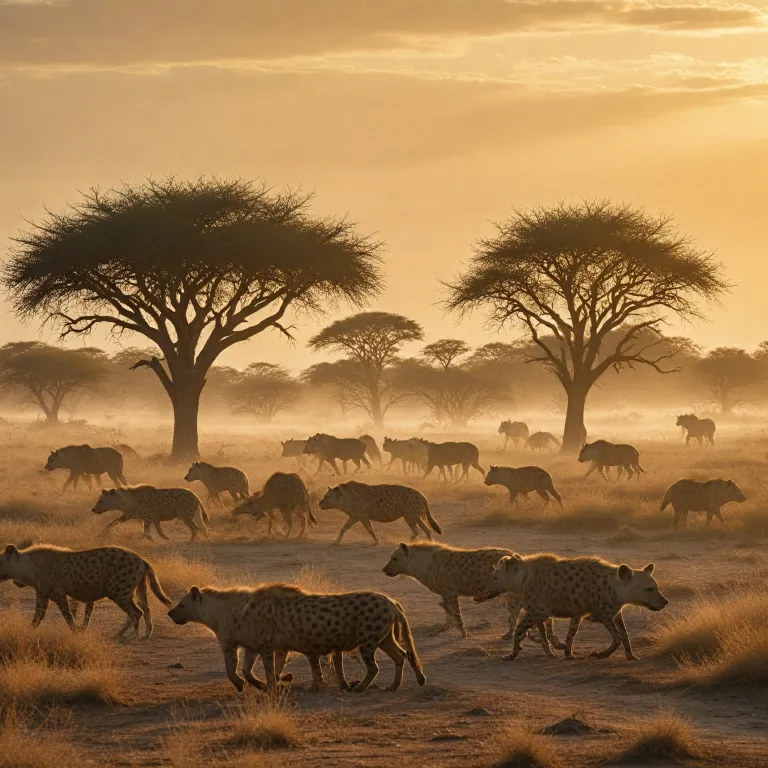
Predators in tension when hyenas go unchecked in kruger park
To understand what happens to kruger park when hyenas go unregulated, you must first look closely at predator dynamics. In this vast game reserve in the north east of South Africa, spotted hyenas and lions share territories, carcasses, and hunting grounds in a fragile equilibrium. When that balance shifts, the entire national park feels the impact in ways that every safari guest eventually notices.
Spotted hyenas are powerful predators, not merely scavengers, and they operate in highly coordinated clans across the greater Kruger landscape. In this part of Africa, they compete directly with lions for prey species such as zebra, wildebeest, and even young elephants during the dry winter months. As lion numbers decline across African parks, hyena populations in some game reserves south of the Limpopo have expanded into areas where lions once dominated.
Kruger National Park management teams now monitor how many hyenas roam the park at any given time, using camera traps and GPS collars to map movements. Reports from rangers in this national park describe increased hyena sightings in traditional lion territories, especially at night and in the early hours of the day. These observations help understand when competition escalates into direct conflict that can lead to lion fatalities and long term ecological imbalance.
How unregulated hyenas reshape prey, lions, and the wider ecosystem
What happens to kruger park when hyenas go unregulated becomes most visible in the way prey species behave. When hyena numbers rise in a game reserve, antelope and other herbivores alter their grazing patterns, often concentrating near rivers or thicker bush where they feel safer. Over time, this can degrade vegetation in specific zones of the national park and subtly change the look of the landscape that safari guests expect from a classic south African wilderness.
In Kruger, lions have long been the emblematic apex predator, yet their populations across Africa have plummeted and remain under pressure. As lions decline, hyenas fill the vacuum, increasing hunting pressure on medium sized species and sometimes on calves of elephants and rhino in vulnerable areas. This shift affects not only wildlife conservation goals but also the emotional expectations of visitors who travel from Cape Town or abroad hoping to see strong lion prides ruling the savanna.
Researchers working with South African National Parks and local NGOs use statistical modelling to track how predator numbers influence prey recruitment and survival. Their findings echo patterns seen in other national parks and reserves south of the Sahara, where unchecked mesopredators can destabilise food webs. For travellers interested in broader African wildlife patterns, reading about unusual wildlife facts from Kenya offers useful context on how different species adapt when predator hierarchies change.
From lion decline to hyena dominance in greater kruger
To grasp what happens to kruger park when hyenas go unregulated, it helps to trace the story back to lion decline. Across Africa, lion numbers have fallen sharply due to habitat loss, poaching, and conflict with people living near national parks and game reserves. In the greater Kruger ecosystem, these pressures combine with competition from a robust hyena population that is estimated in the several thousands.
When lions lose territory or entire prides vanish, hyena clans quickly occupy the vacant ranges within the game reserve. They expand den sites, increase breeding success, and intensify hunting on key prey species that once supported large lion coalitions. Over a period that would feel short compared with the park’s long history, the soundscape of the night can shift from lion roars to the whoops and cackles of hyenas.
Kruger National Park management collaborates with partners such as the Wildlife Conservation Research Unit to monitor these changes using GPS collars and advanced mapping tools. Their work shows that hyena movements now overlap more frequently with remaining lion territories, increasing the risk of lethal encounters. Travellers fascinated by conservation innovation can read about another wildlife focused journey, the great Atlantic puffin company experience, which illustrates how tourism and wildlife stories intersect in very different environments.
Impacts on safari experiences and expectations in kruger park
For many visitors, what happens to kruger park when hyenas go unregulated is first felt through changing safari experiences. Guests who once expected to see multiple lion sightings in a single day may now encounter more hyena clans patrolling riverbeds and open plains. While hyenas offer thrilling behaviour to observe, from complex social interactions to coordinated hunts, their dominance can subtly alter the narrative that guides share on game drives.
In this iconic national park in South Africa, guides must now explain why lion sightings can be less frequent even in prime game reserves south of the Limpopo. They describe how increased hyena pressure on shared prey species forces lions to move further or hunt at different times, sometimes deeper into less accessible parts of the park. This shift can lengthen the time needed to track big cats, particularly during the dry winter months when vegetation is sparse but waterholes become crowded focal points.
Responsible operators also address guest concerns about data use and personal privacy when booking safaris online. Clear communication about a company’s privacy policy helps travellers feel comfortable when they continuing agree to share details for trip planning. For those comparing destinations, an official guide to conservation area fees in another African reserve can provide useful benchmarks on costs, regulations, and conservation funding models.
Rhinos, elephants, and lesser known victims of predator imbalance
Beyond lions, what happens to kruger park when hyenas go unregulated also touches rhinos, elephants, and many lesser known species. In some parts of the greater Kruger ecosystem, rangers have documented hyenas targeting rhino calves, particularly where poaching has already weakened adult populations. This adds another layer of pressure to black rhino and white rhino conservation efforts that are already stretched across multiple national parks and private game reserves.
Elephants, usually considered safe from predators, can also be affected when hyena numbers surge in a game reserve. Calves separated from herds at night or during the dry winter months may face increased risk, especially near waterholes where predators concentrate. While such events remain relatively rare compared with poaching or habitat loss, they illustrate how predator imbalances ripple through the wider wildlife community in South Africa.
Smaller species, from ground nesting birds to antelope fawns, may experience higher predation rates when hyena clans expand into new territories. Over years, this can subtly reduce biodiversity in certain zones of Kruger park and neighbouring reserves south of the main tourist routes. These cascading effects underline why wildlife conservation strategies must consider entire food webs rather than focusing on a single charismatic species.
Managing hyena numbers while safeguarding kruger’s future
Park authorities now face a delicate question ; what happens to kruger park when hyenas go unregulated, and how far should humans intervene. Kruger National Park management relies on long term data from camera traps, aerial counts, and GPS collars to decide when active measures might be necessary. Their overarching aim is to maintain ecological balance while respecting the park’s role as a largely self regulating African wilderness.
Options under discussion range from targeted contraception to habitat management that favours a more even distribution of predators across the game reserve. Any intervention must align with national parks policy frameworks in South Africa and with broader wildlife conservation ethics across Africa. Visitors who help understand these complexities often become stronger advocates for funding anti poaching units, rhino game protection, and habitat restoration projects in reserves south of Kruger.
For travellers planning a safari, choosing operators that support conservation research and respect guest privacy is one of the best places to start. Reading a company’s privacy policy carefully before you continuing agree to bookings ensures transparency about data use and security. As you plan your next journey from Cape Town or beyond, remember that every responsible safari, in Kruger national or other African parks, contributes in a small but meaningful way to keeping predator numbers in balance.
Key statistics shaping predator management in kruger park
- Estimated lion population in Africa : 20 000 individuals.
- Estimated spotted hyena population in Kruger National Park : 8 500 individuals.
Questions travellers often ask about hyenas and lions in kruger
Why are lion populations declining in Kruger National Park ?
Lion populations are declining due to poaching, habitat loss, and increased competition with rising hyena numbers.
How does an increase in hyena population affect the ecosystem ?
An increase in hyena population can disrupt the predator prey balance, leading to decreased lion numbers and potential overpredation on certain prey species.
What measures are being taken to protect lions in Kruger National Park ?
Conservation efforts include anti poaching initiatives, habitat restoration, and monitoring predator populations to implement balanced management strategies.