Designing a seamless travel itinerary to Africa and the Middle East
Planning a refined travel itinerary to Africa and the Middle East starts with clarity about pace, priorities, and personal comfort. Many travelers underestimate distances across Africa and the Middle East, yet careful planning of each trip segment allows you to link wildlife, culture, and coast without exhaustion. Think of your journeys as a series of connected chapters, moving from one national park or historic city to the next with intention.
Begin by mapping key destinations in north, east, and south regions of Africa, then layer in the most meaningful Middle East stops that match your interests. For a balanced route, combine a national park in east Africa with a game reserve in south Africa, then add a few days in jordan or israel for archaeological depth and desert landscapes. This approach keeps your travel focused while still giving you a sense of the vastness of africa middle routes.
Seasonality is crucial because climate in africa and the Middle East can shift from cool highlands to intense desert heat within one trip. Expert guidance suggests that “Generally during spring (March-May) or autumn (September-November), when temperatures are milder and outdoor activities are comfortable. In desert/climate-sensitive areas, avoid peak summer heat.” Align your travel itinerary to Africa and the Middle East with these windows, especially if you plan to hike near mount kilimanjaro or float on the dead sea. This timing also improves wildlife viewing in several national parks and reduces heat stress during long game drives.
Wildlife routes across africa: national parks, game reserves, and coasts
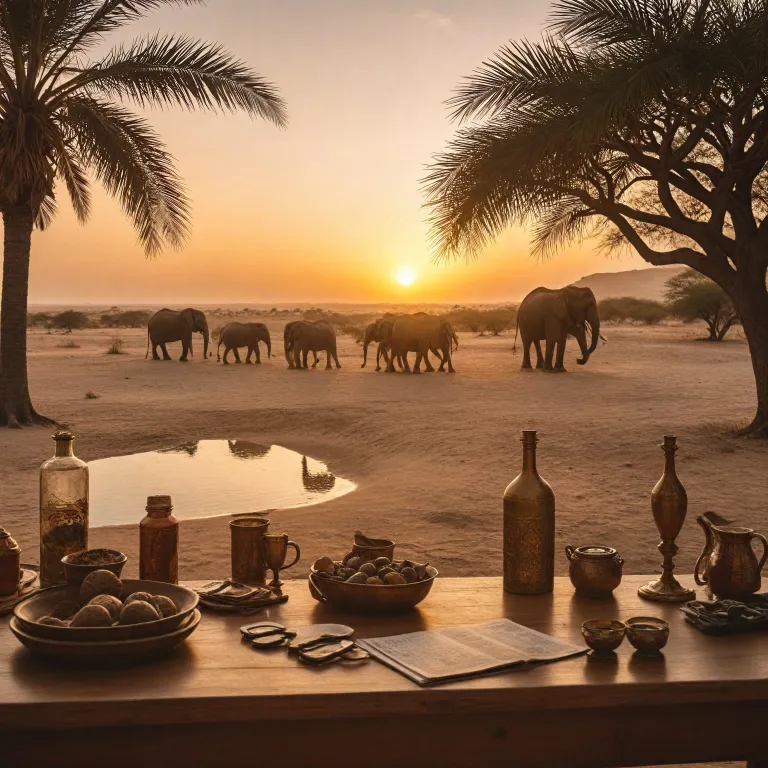
For safari enthusiasts, a travel itinerary to Africa and the Middle East often begins with the legendary ecosystems of east and south Africa. In tanzania, pairing a classic national park with a nearby private game reserve offers contrasting experiences, from crowded river crossings to quiet sundowners. South Africa adds variety, where a national park such as Kruger can be combined with smaller game reserves that focus on intimate big five encounters.
Along the east coast of africa, islands and marine reserves complement land based safaris with coral reefs and turtle nesting beaches. You might fly from a tanzania game reserve to an island in the indian ocean, then continue your journeys onward to cape town for urban culture and Atlantic coast scenery. South africa’s cape town region works beautifully as a finale, with coastal drives, vineyards, and easy access to nearby national parks.
Responsible travel is central when visiting wildlife destinations in africa and the Middle East, especially where tourism shapes conservation funding. Before booking, study guidelines on ethical wildlife tourism and responsible safaris to ensure your trip supports local communities and habitats. Integrating these principles into your travel itinerary to Africa and the Middle East strengthens your impact, whether you are tracking lions in a national park, watching elephants along a river, or birding in remote reserves.
From nile valley to dead sea: cultural corridors of the middle east
Many travelers weave the nile valley and the Levant into a broader travel itinerary to Africa and the Middle East to balance wildlife with archaeology. In egypt, a trip along the nile valley links monumental temples, traditional villages, and desert escarpments that glow at sunset. You can pair a nile cruise with time in cairo, then fly onward to jordan or israel to continue your cultural journeys.
In jordan, the route from Amman to the dead sea and Petra forms a natural spine for middle east exploration. The dead sea offers restorative floating sessions and desert views, while Petra and Wadi Rum add hiking, stargazing, and Bedouin hospitality to your travel narrative. Israel contributes coastal cities, layered religious history, and easy connections to other middle east hubs such as dubai or the wider arab emirates.
As you move between africa and the Middle East, remember that ecosystems and conservation stories interlink across regions. Reading about predator dynamics in primate habitats, for example, can deepen your understanding of ecological balance; an insightful resource is this feature on understanding the predators of a gorilla and threats to Africa’s gentle giants. Even when your own travel itinerary to Africa and the Middle East focuses on deserts and seas rather than rainforests, such context enriches your appreciation of conservation challenges.
Gulf cities, islands, and coasts: refining the final leg of your journey
After intense safari days and archaeological excursions, many travelers design the final chapter of a travel itinerary to Africa and the Middle East around rest and refinement. Gulf cities such as dubai in the united arab emirates offer modern skylines, curated desert excursions, and easy flight connections back to the united states or onward to asia australia. You can balance time in dubai with quieter stretches of coast or an island stay, depending on how you prefer to end your trip.
Within the broader arab emirates region, curated desert camps and coastal resorts provide a softer landing after rugged game reserve drives in south africa or tanzania. Some travelers add a short island extension in the indian ocean or along the east coast of africa, creating a gentle transition from wildlife intensity to sea breezes and spa treatments. This structure keeps your journeys coherent, moving from national parks and reserves to cities and finally to the sea.
Even during this more relaxed phase, thoughtful travel remains important across africa and the Middle East. Climate reports note that “Arab region saw its hottest year on record in 2024, with average warming accelerating (livescience.com)”, so plan outdoor activities for early morning or evening. Integrating such climate awareness into your travel itinerary to Africa and the Middle East protects your health and supports more sustainable scheduling of excursions.
Practical travel tips, safety, and small group logistics
Designing a multi country travel itinerary to Africa and the Middle East requires meticulous attention to safety, visas, and logistics. Many destinations in africa and the Middle East carry nuanced advisories, and “The U.S. State Department issues Level 4 “Do Not Travel” advisories for several North and Central African and Middle Eastern countries; others are at Level 3 “Reconsider Travel.” Be aware of terror risk, civil unrest, crime. Register with STEP and follow local alerts. (yahoo.com)”. This makes it essential to consult embassies, consulates, and reputable local guides before finalizing each trip segment.
Small group arrangements often work best for complex journeys that span africa middle routes, multiple national parks, and several borders. A small group safari in tanzania or south africa can streamline permits, game reserve access, and transfers, while still allowing flexibility for photography or birding. When your journeys extend to jordan, egypt, or the wider middle east, similar small group formats can simplify border crossings and local transport.
Health and packing strategies also shape the success of travel across africa and the Middle East. Vaccinations, sun protection, and hydration are vital, especially when moving from cool highlands near mount kilimanjaro to the heat of the dead sea or dubai. For a left field but useful perspective on ecological care and attention to living systems, some travelers enjoy reading about optimal feeding with live insects for healthy Venus flytraps, which echoes the patience and respect needed when observing wildlife in national parks.
Linking continents: america, asia, and beyond in one coherent route
Travelers from the united states or south america often frame their travel itinerary to Africa and the Middle East as part of a wider round the world arc. Routing from the united states to north or east africa first, then onward to the middle east, and finally to asia australia can minimize backtracking. This structure also allows you to adjust for jet lag gradually, especially when your journeys include early morning game drives in a national park or game reserve.
From south america or central america, connections via europe or direct links to africa are increasingly common, opening more options for tailored trips. You might fly from america south hubs to cape town or another south africa gateway, enjoy several national parks, then continue to egypt, jordan, or the arab emirates. Each segment of travel across africa and the Middle East should include buffer days to absorb delays and enjoy local markets, coastlines, or islands.
When planning such extended journeys, detailed travel tips from experienced operators can help you integrate africa, the middle east, and onward regions smoothly. Pay attention to baggage rules for small aircraft serving remote national parks, and schedule rest days between intense safari periods. With thoughtful pacing, your travel itinerary to Africa and the Middle East becomes the elegant centerpiece of a broader intercontinental adventure linking seas, deserts, and wildlife rich reserves.
Key statistics for planning multi region safari journeys
- Number of African countries with Level 4 “Do Not Travel” advisories from the U.S. State Department: 7 countries.
- Average temperature increase in the Arab region compared with the 1991–2020 baseline: 1.08 °C.
Essential questions about a travel itinerary to Africa and the Middle East
When is the best time to travel to Africa and the Middle East?
Generally during spring (March-May) or autumn (September-November), when temperatures are milder and outdoor activities are comfortable. In desert and climate sensitive areas, avoid peak summer heat because conditions can become extreme. This timing also aligns well with many safari seasons in national parks and game reserves.
Do U.S. citizens need visas for countries in Africa and the Middle East?
Yes in many cases, although rules vary between destinations in africa and the Middle East. Some African countries offer visa free access for limited stays, while others require eVisas or visas on arrival that must be arranged before your trip. In the middle east, several states provide streamlined electronic systems, but you should always verify current regulations with embassies or consulates.
Are there safety risks on such a multi country itinerary?
There are safety considerations, particularly in regions with political instability or higher crime levels. Many African and Middle Eastern countries carry Level 3 or Level 4 advisories, so careful route selection and up to date information are essential. Registering with STEP, using trusted local guides, and following local advice significantly improves safety during your journeys.