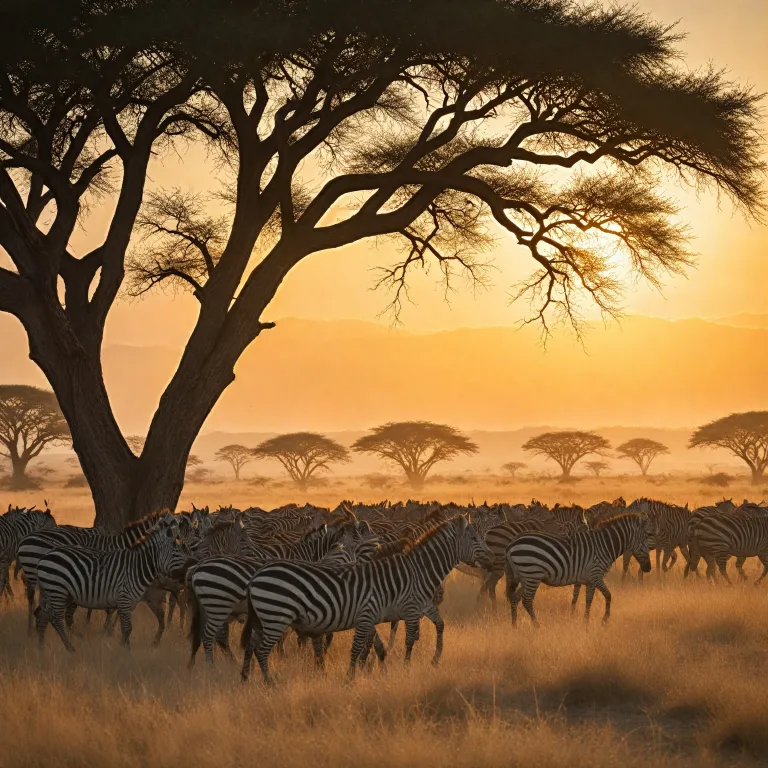
Understanding the Serengeti migration: wildlife spectacle in Tanzania
The Serengeti migration is a phenomenon that defines African safari experiences. Each year, over 1.5 million wildebeest, accompanied by hundreds of thousands of zebras and gazelles, traverse the vast plains of Serengeti Tanzania in search of fresh grazing and water. This migration safari is driven by the seasonal rhythms of the ecosystem, making the Serengeti National Park and its surrounding conservation area a living stage for one of the world’s greatest wildlife events. The journey is not only about the movement of animals but also about the intricate balance between predators and prey, as lions, cheetahs, hyenas, and leopards follow the herds, creating dramatic scenes that captivate travelers and wildlife enthusiasts alike.
Timing your trip is crucial for witnessing specific migration events. From January to March, the southern Serengeti becomes the cradle of life as the calving season unfolds, attracting predators and offering exceptional game viewing. As the herds move northward, river crossings at the Grumeti and Mara Rivers between June and October present some of the most thrilling spectacles in the migration safari calendar. These crossings are fraught with danger, as crocodiles and swift currents test the resilience of the wildebeest and zebras. The cycle concludes as the animals return to the southern plains, completing a journey that sustains the Serengeti’s biodiversity and supports local communities through tourism.
For those seeking an immersive African safari, the Serengeti migration offers unparalleled opportunities for game drives, bird watching, and bush walks. The park’s diverse landscapes, from open savannahs to acacia woodlands, provide a rich backdrop for observing wildlife in their natural habitat. Whether you are a seasoned traveler or embarking on your first safari, understanding the migration’s timeline and ecological significance enhances every moment spent in this iconic region of Africa.
Planning your migration safari: essential tips for a seamless adventure
Preparing for a Serengeti migration safari requires thoughtful planning to ensure a rewarding experience. The migration’s timeline dictates the best periods for travel, with each phase offering unique wildlife encounters. Booking your accommodation well in advance is essential, especially during peak migration periods when demand for lodges and camps in the Serengeti National Park and adjacent conservation areas is high. Many travelers opt for mobile camps that move with the herds, providing optimal access to game viewing and the ever-changing dynamics of the migration.
When selecting your safari itinerary, consider incorporating a mix of game drives, bush walks, and cultural visits to local Maasai communities. These activities enrich your understanding of the Serengeti’s ecological and cultural landscape. Game drives in 4x4 vehicles remain the most popular way to explore the park, offering close encounters with wildlife and the chance to witness dramatic predator-prey interactions. For a different perspective, hot air balloon safaris provide breathtaking aerial views of the migration and the vast Serengeti plains.
Health and safety are paramount when traveling in Tanzania. Consult a travel doctor for recommended vaccinations and malaria prophylaxis before your trip. As one expert advises: "Yes, it's recommended to consult with a travel doctor for vaccinations and malaria prophylaxis before traveling. Also, ensure you have adequate travel insurance." Packing lightweight, neutral-colored clothing, binoculars, cameras, and personal medications is essential for comfort and preparedness. For more insights on planning a seamless safari, explore our comprehensive safari planning guide for detailed tips and recommendations.
Game drives and wildlife encounters: maximizing your Serengeti safari
Game drives are the heart of any Serengeti safari, offering the best opportunities to witness the migration and the park’s abundant wildlife. Early morning and late afternoon drives are particularly rewarding, as animals are most active during these cooler hours. The Serengeti National Park is renowned for its diversity of animals, including the iconic Big Five and a multitude of bird species, making it a paradise for both game viewing and bird watching enthusiasts. The migration safari brings together wildebeest, zebras, and gazelles in vast numbers, creating dramatic scenes as they navigate the plains and rivers.
Predators such as lions, cheetahs, and hyenas are never far from the herds, and their interactions provide some of the most memorable moments of any African safari. The Mara River crossings are especially intense, with crocodiles lying in wait and the sheer force of the river challenging the migrating animals. Guides equipped with field guides and binoculars enhance the experience, helping travelers identify species and understand the complex dynamics of the ecosystem. For those interested in a deeper connection with nature, bush walks in designated areas offer a chance to explore the Serengeti on foot and observe smaller creatures and plant life often missed during game drives.
To further enrich your wildlife experience, consider integrating technology such as wildlife tracking apps or virtual tours, which are increasingly popular among safari-goers. For an in-depth look at how technology is transforming safari experiences, visit our article on innovative safari technologies. Whether you are focused on the great migration, bird watching, or predator sightings, every game drive in the Serengeti promises new discoveries and lasting memories.
Accommodation and dining: comfort in the heart of the bush
Choosing the right accommodation is key to enjoying your Serengeti migration safari. The region offers a range of options, from luxury lodges to mobile camps that follow the migration routes. These camps provide an authentic bush experience, allowing guests to stay close to the action while enjoying modern comforts. Many lodges and camps are situated in prime locations within the Serengeti National Park, the Ngorongoro Conservation Area, and near the Mara River, ensuring easy access to game drives and migration viewing points.
Dining in the Serengeti is an experience in itself, with many camps offering breakfast, lunch, and dinner in scenic settings overlooking the plains or rivers. Meals often feature fresh, locally sourced ingredients, and bush breakfasts or sundowner drinks add a touch of adventure to your trip. For those with dietary preferences, most accommodations cater to a variety of needs, ensuring every guest enjoys their dining experience. The communal atmosphere of safari camps fosters a sense of camaraderie among travelers, with evenings spent sharing stories around the campfire under the African sky.
Advance booking is recommended, especially during the peak of the great migration when demand for accommodation is highest. Many camps also offer guided bush walks, bird watching excursions, and cultural visits, providing a well-rounded safari experience.
Conservation and community: sustaining the Serengeti ecosystem
The Serengeti migration is not only a natural wonder but also a vital component of Tanzania’s ecological and economic landscape. The Tanzanian government, in partnership with local communities and conservation organizations, plays a crucial role in protecting the Serengeti National Park and its migration routes. Efforts to maintain the ecological balance support both the large herbivore populations and the predators that depend on them. The migration safari attracts global attention, drawing over 350,000 visitors annually and contributing significantly to the local economy.
Conservation initiatives focus on sustainable tourism practices, habitat preservation, and community engagement. Local Maasai communities are actively involved in conservation efforts, benefiting from tourism while preserving their cultural heritage. The integration of eco-friendly practices, such as solar-powered camps and waste reduction programs, helps minimize the environmental impact of safari operations. Enhanced conservation efforts are also addressing challenges such as human encroachment and climate change, ensuring the long-term survival of the Serengeti’s wildlife and habitats.
Tourists are encouraged to respect park regulations, support responsible operators, and participate in community-based tourism initiatives. By choosing ethical safari experiences, travelers contribute to the preservation of the Serengeti migration and the well-being of local communities. The ongoing collaboration between government authorities, conservationists, and travelers is essential for sustaining the magic of the Serengeti for generations to come.
Seasonal highlights: timing your Serengeti migration safari for the best experience
The timing of your Serengeti migration safari greatly influences the wildlife experiences you will encounter. Each phase of the migration offers distinct highlights, from the dramatic calving season in the southern Serengeti to the perilous river crossings at the Grumeti and Mara Rivers. Understanding the migration’s annual cycle allows travelers to plan their trips around specific events, maximizing their chances of witnessing unforgettable moments. For example, January to March is ideal for observing newborn wildebeest and predator activity, while June to October is best for river crossings and large-scale herd movements.
Off-peak periods also present unique opportunities for game viewing and bird watching, with fewer crowds and a more intimate safari atmosphere. The Serengeti’s diverse habitats support a wide range of animals year-round, ensuring rewarding sightings regardless of the season. Bird enthusiasts will find the wet season particularly appealing, as migratory species flock to the park, adding color and diversity to the landscape. The Ngorongoro Crater, located within the conservation area, is another must-visit destination, offering exceptional game drives and the chance to see rare species in a stunning volcanic setting.
Travelers are advised to book their migration safari well in advance, especially if aiming to witness specific events such as the Mara River crossings. Flexibility in travel dates and a willingness to explore different regions of the Serengeti can enhance your overall experience. With careful planning and an understanding of the migration’s rhythms, every trip to the Serengeti promises a unique and enriching adventure.
Practical advice for an unforgettable Serengeti migration safari
To make the most of your Serengeti migration safari, preparation and flexibility are key. Pack clothing suitable for varying weather conditions, including lightweight layers for daytime and warmer attire for cool evenings. Essential items include binoculars, cameras with telephoto lenses, sunscreen, insect repellent, and a reusable water bottle. As one expert notes: "Pack lightweight, neutral-colored clothing, a hat, sunscreen, insect repellent, binoculars, and a camera. Also, include any personal medications and a reusable water bottle."
Respect for wildlife and local customs is fundamental to a responsible safari experience. Always follow the guidance of your safari guide, stay within designated areas, and avoid disturbing animals or their habitats. Travel insurance that covers medical emergencies and trip cancellations is highly recommended, providing peace of mind throughout your journey. As another expert emphasizes: "Yes, safaris are generally safe when conducted with experienced guides and following park regulations. Always stay in designated areas and follow the instructions of your guide."
For those seeking to deepen their connection with the Serengeti, consider participating in conservation activities or supporting community-based tourism initiatives. These experiences not only enrich your trip but also contribute to the preservation of the Serengeti migration and the well-being of local communities. With careful planning, respect for nature, and a spirit of adventure, your Serengeti migration safari will be a journey of discovery and wonder.
Key statistics on the Serengeti migration safari
- Number of wildebeest in migration: 1,500,000 individuals
- Number of zebras in migration: 250,000 individuals
- Annual visitors to Serengeti National Park: 350,000 individuals
Frequently asked questions about the Serengeti migration safari
What is the best time to visit the Serengeti for the Great Migration?
The best time depends on what you want to witness: January to March for calving season, June to July for Grumeti River crossings, and August to October for Mara River crossings.
How can I book a safari to see the Great Migration?
You can book through reputable tour operators specializing in Serengeti safaris. It's advisable to book well in advance, especially for peak migration periods.
Are there any health precautions to consider when visiting the Serengeti?
Yes, it's recommended to consult with a travel doctor for vaccinations and malaria prophylaxis before traveling. Also, ensure you have adequate travel insurance.
References: Serengeti National Park Authority, Tanzania National Parks Authority, Local Conservation Organizations.